


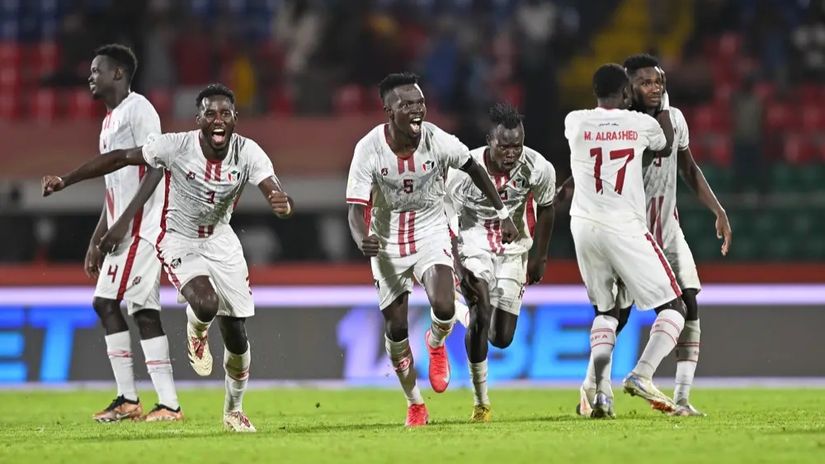
TACTICAL ANALYSIS: Kwesi Appiah's masterstroke that has propelled Sudan to CHAN semifinals

.jpg)
.jpg)
.jpg)
Reading Time: 5min | Tue. 26.08.25. | 12:42
Their campaign to this point has been defined by organization and resilience
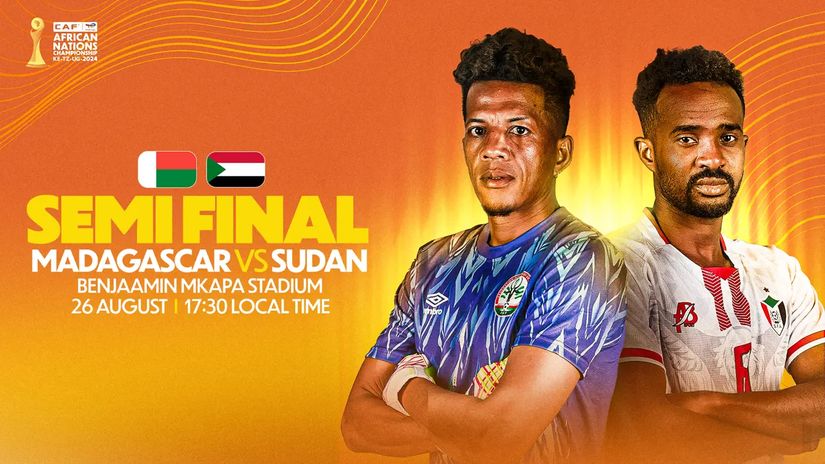
As Sudan prepares to face Madagascar in the semi-finals of CHAN 2024, their journey stands as one of the tournament’s most compelling stories.
Emerging from a nation grappling with deep-rooted turmoil, Sudan’s on-field resurgence is rooted not in luck or sentiment, but in tactical clarity, structured aggression, and exceptional coaching.
Follow our WhatsApp channel for more news
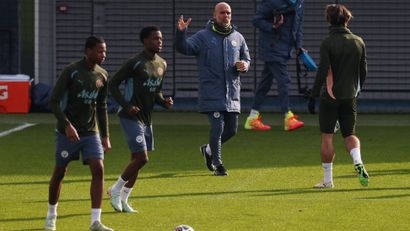
Under the guidance of Kwesi Appiah, largely overlooked in discussions around elite African tacticians, Sudan have not only exceeded expectations but reshaped how we perceive success at this level.
Their campaign to this point has been defined by organization and resilience.
Across four matches, Sudan have conceded just two goals from open play-an extraordinary statistic that reflects the team’s collective discipline and defensive structure.
Whether holding champions Senegal to a goalless draw or dismantling Nigeria in an astonishing 4–0 rout, Sudan’s progress is the product of careful planning, not romantic underdog energy.
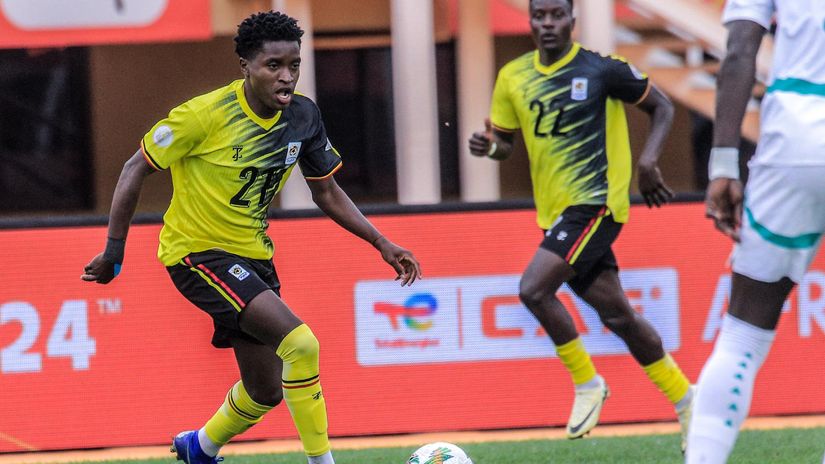
Appiah has implemented a fluid but pragmatic tactical model.
Sudan predominantly lines up in a 5-3-2 out of possession, morphing into a compact 4-5-1 or even 3-4-3 during attacking transitions.
The back five operates as a highly synchronized block, maintaining narrow vertical and horizontal distances while wing-backs shuttle tirelessly to provide width when in possession and defensive cover when out.
The centre-backs step up aggressively, squeezing space and ensuring that opposition forwards are constantly under pressure when attempting to receive between the lines.
But where Sudan have truly excelled is in how they manage the midfield zone.
While many teams opt for zonal containment, Sudan are willing to engage in man-to-man marking-particularly in central areas.
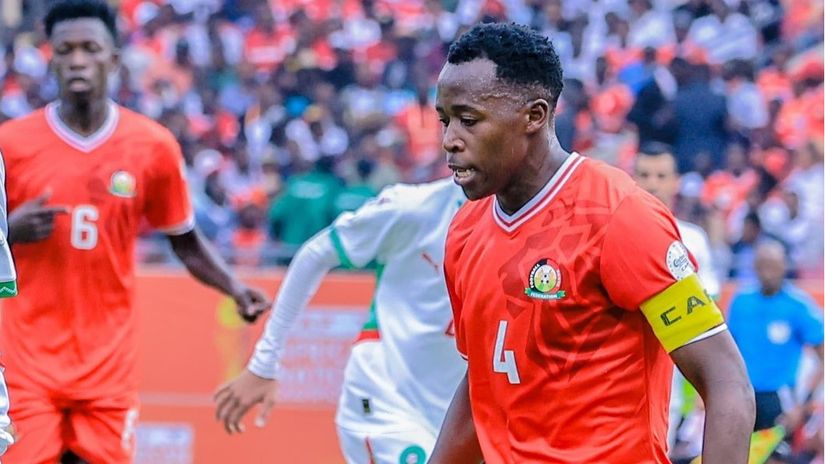
They adapt seamlessly in phases, using hybrid schemes that see their midfielders track individual players without losing shape.
This approach was highly effective in their group-stage clashes, particularly against Senegal and Congo, where Sudan stifled attempts at controlled buildup.
Their pressing style is selective but highly coordinated.
Sudan do not press relentlessly, but when they do, it is timed to perfection-often when the opposition plays short from the back or when a heavy touch invites pressure.
Against Senegal, they used their forwards to channel the play wide and then pushed up their midfielders to trap the ball on the flanks, forcing hurried clearances or dispossessions.
This aggressive front-foot defending relieved pressure from their own defensive third and consistently pushed opponents away from dangerous central zones.
In possession, Sudan takes a measured approach.
They begin with short passes along the backline-not to retain the ball for its own sake, but to bait the press.
Once the opposing team commits, Sudan looks to go long and vertical, bypassing the midfield entirely.
Their build-up play aims not for elegance but for territory and chaos.
Once the ball is launched forward, midfielders and full-backs collapse toward the second-ball zone, turning every aerial contest into a battle for ground and momentum.
In many instances, this approach has directly contributed to goals and key attacking moments, with rebounds or deflections falling kindly for Sudan’s aggressive runners.
Perhaps the most emblematic example of this tactical execution came in the 4–0 victory over Nigeria.
Facing one of the continent’s traditional powerhouses, Sudan smothered Nigeria’s midfield with compact, combative positioning.
Their shape functioned like a concertina - contracting in central areas to deny vertical access and expanding quickly during transitions.
Nigeria were repeatedly forced to circulate the ball wide, only to find themselves pressed into turnovers or long, hopeful passes.
Sudan, by contrast, capitalized on every loose ball and made their direct approach count with ruthless efficiency.
Their offensive game is not built on sustained possession or intricate combinations, but it is highly purposeful.
One particularly effective tool has been their use of long throw-ins—their right-back Awad Boshara, whose technique allows for deliveries as threatening as corners.
These throws are aimed toward the near post or the penalty spot, generating disorder in the box and playing to Sudan’s aerial strength.

Crucially, all of this tactical rigor has been underpinned by standout individual performances.
Abdelrazig Omer has emerged as a livewire forward-able to press intelligently, find space in the channels, and sniff out second balls.
Salaedine Adil, operating in central midfield, has been the team’s physical heartbeat-snapping into challenges, cutting off passing lanes, and initiating transitions.
The aforementioned right back, while not the most prolific scorer, has been vital in offering set-piece threat in terms of the throw-ins delivery.
The coaching influence of Appiah has been instrumental in giving Sudan this competitive edge.
His tweaks have often gone unnoticed, but they have made all the difference.
In the draw against Senegal, he altered their pressing structure mid-match, moving from a mid-block to a more aggressive high press, allowing Sudan to pin Senegal deep and play the game in the opponent’s half.
Appiah’s substitutions have also reflected strategic intent-often reinforcing midfield numbers or adjusting the shape to close out tight games.
Comparing this run to Sudan’s 2018 campaign under Zdravko Logarusic offers valuable perspective.
That year, Sudan also reached the semi-finals, eventually finishing third.
Logarusic's side operated with a more traditional 4-4-2, emphasizing compactness and counter-attacks.
Their tactical style was more reactive, relying on structure and patience.
The 2018 team was lauded for its organization but leaned heavily on individual moments and set-piece efficiency rather than pressing or territorial control.
In contrast, Appiah’s 2024 team is more assertive, even aggressive. While both sides share a defensive core, the current iteration is more proactive-seeking to impose rhythm and physical dominance.
Rather than sit back and absorb, Sudan are dictating where the game is played, especially through their midfield.
The evolution is evident not just in outcomes, but in identity: 2018 Sudan may have survived. 2024 Sudan is competing.
Heading into the semi-final against Madagascar, Sudan carries not just momentum but a blueprint that’s working.
They have conceded only two goals from open play across the tournament, despite facing high-calibre opponents, particularly conceding not even a single goal against Senegal and Nigeria.
This is a team that knows what it is, plays to its strengths, and minimizes risk at every turn.
What began as a quiet, under-the-radar campaign has grown into one of CHAN 2024’s most compelling narratives.
Sudan’s success is not about miracles; it is about tactical honesty, intelligent coaching, and a group of players willing to scrap for every inch.
In a tournament that rewards coherence over flash, Sudan have emerged not just as surprise contenders-but as one of the most tactically able sides remaining.