



TACTICAL ANALYSIS: How Singida Black Stars neutralised Al Hilal in CECAFA Kagame Cup final



Reading Time: 7min | Tue. 16.09.25. | 21:48
The CECAFA Kagame Cup final delivered a fascinating contest of tactical contrasts, individual brilliance, and structural discipline
The CECAFA Kagame Cup clash between Al Hilal SC and Singida Black Stars delivered a fascinating contest of tactical contrasts, individual brilliance, and structural discipline.
Singida secured a 2–1 victory courtesy of a brace from Clatous Chama, while Al Hilal’s lone reply came from Abdelrazig Taha Omer.
Beneath the scoreline, however, was a battle of systems: Al Hilal leaning on directness and flank overloads, while Singida balanced aggressive pressing, positional rotations, and compact defensive organisation.
Follow our WhatsApp channel for more news
Al Hilal began with Soufiane Farid in goal, a centre-back pairing of Mohamed Ahmed and Mustafa Abdualgadh, Yasir Awad at right-back, and captain Faris Abdallah at left-back.
In midfield, the double pivot of Waliedlin Khider and Elhadj Kane anchored play, supported by Jean Claude on the left wing and Ahmed Salem on the right.
Abdelrazig Omer played just off Sunday Damilare, the designated centre-forward.
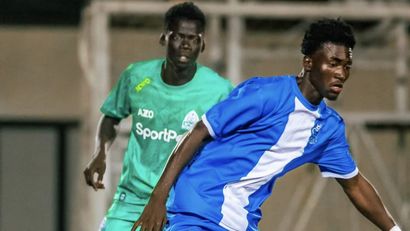
Singida Black Stars set up with Hussein Masalanga in goal, defensive duo of Morice Chukwu and Anthony Tarabi, Nickson Kibabage on the left and Ande Koffi on the right.
The midfield comprised Khalid Aucho as pivot alongside Iddi Khabib, while Idriss Diomande started on the right flank and Clatous Chama on the left.
Up front, Tchakei Marouf partnered with Muaku Malanga.
The opening minutes highlighted each team’s intent.
Singida tilted their play heavily to the left, with Malanga dropping into pockets to combine with the marauding Kibabage. Aucho operated as the deep anchor, knitting together possession phases and initiating build-up.
In contrast, Al Hilal avoided central construction, preferring long diagonals from their pivots to the wide players in an effort to bypass Singida’s pressing trap.
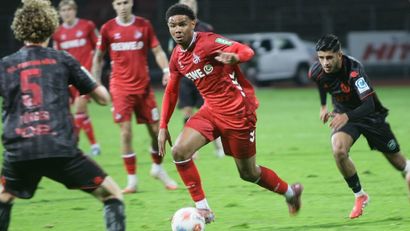
By the sixth minute, Singida’s 4-1-3-2 press was in full swing, engaging Al Hilal SC high and aggressively.
Out of possession, this shape morphed into a 4-4-2 mid-block, with Chama and Diomande tucking into midfield to support the press.
The energy and coordination in these shifts forced Al Hilal SC into hurried long passes, which often played into Singida’s plan of funnelling play wide.
Defensively, Singida were organised, man-marking four Al Hilal players at corners while leaving two zonal markers - on numerous occasions, Malanga at the near post and Aucho covering the six-yard box.
This blend of structure and individual responsibility reduced Al Hilal’s aerial threat.
Al Hilal’s main response was directness: pivots Kane and Khider looked for diagonals, particularly toward Claude on the left wing.
In the 16th minute, this pattern nearly locked Singida into their right side, but Chama, Kibabage, and the dropping Malanga created numerical superiority and restored balance.
The breakthrough came in the 20th minute.
After Khabib pressed and regained possession, he released Chama in the left half-space. Chama carried the ball forward, dribbled inside, and shot.
The effort was deflected by Malanga to guide it into the net, giving Singida a 1–0 lead. From there, Malanga’s positional fluidity became a recurring theme.
He rotated toward the right half-space, linking play and dragging defenders, while Chama’s dribbling continued to stretch Al Hilal’s defensive shape.
Despite struggling to progress centrally, Al Hilal managed to capitalise on Singida’s aggressive high line.
In the 32nd minute, Omer timed a third-man run in transition, receiving a through ball behind the defense and finishing confidently to level the score at 1–1.
The remainder of the half was marked by two key dynamics.
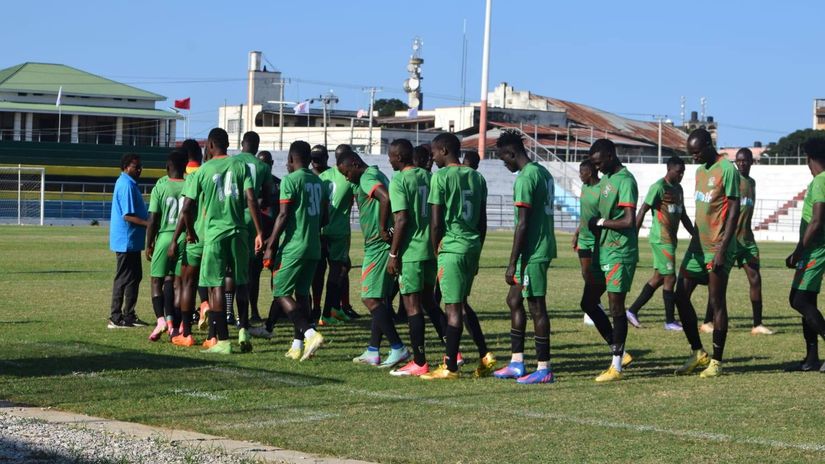
First, Singida invited pressure by involving Masalanga, their goalkeeper, as an extra outfield player in their build-up, baiting Al Hilal to overcommit.
Second, Al Hilal nearly snatched the lead at the 43rd minute when a back-post header from Kane was tipped over by Masalanga.
At halftime, the game was finely poised at 1–1. Al Hilal had relied heavily on left-flank overloads through Jean, Faris, and Omer, while Singida looked the more structured side in their pressing and positional rotations.
The second half began with Singida maintaining their left-sided emphasis, where Chama continued to drive their attacking moves and was now aided by Aucho stepping into advanced left-half spaces to deliver incisive through passes.
This strategy kept Al Hilal’s defense constantly stretched, as Singida looked to build momentum on the flanks.
The pivotal moment came in the 57th minute.
After dropping deeper to collect the ball, Marouf released Koffi on the right flank.
The adventurous fullback surged forward and whipped in a precise low cross, which Chama controlled before finishing with calm precision.
His second goal, a display of composure and technical execution, restored Singida’s lead at 2–1.
Following the goal, Singida made subtle but important adjustments. Kibabage, who had been highly adventurous in the first half, became more conservative, providing balance at the back.
This allowed Aucho and Chama to dictate play on the left, combining effectively through third-man runs and triangular patterns that repeatedly unsettled Al Hilal’s defensive structure.

At set-pieces, Singida’s organisation remained clear: they committed five players to man-marking while leaving Aucho and Malanga in zonal positions at the front post and the six-yard box, ensuring coverage of critical spaces.
Al Hilal attempted to respond by pushing Omer into deeper positions between the lines, hoping his movement could drag defenders out of shape and create passing lanes for others.
While his positioning did open small gaps, Singida’s compact defensive block largely nullified the threat.
In the 70th minute, Al Hilal sought to refresh their midfield and flanks with substitutions, introducing Petrus for Waliedlin Khider, Ernest Luzolo forAbdallah, and Abdel Kabore for Kane.
These changes were aimed at injecting creativity and fresh energy, particularly in central areas.
Singida, however, responded strategically. In the 77th minute, they withdrew Diomande for Emmanuel Keyekeh and replaced Muaku Malanga with Elvis Rupia, signalling a shift toward greater solidity and fresh legs for the closing stages.
By the 83rd minute, their tactical approach had shifted clearly into a 5-3-2 out of possession, prioritising defensive compactness and reducing risk.
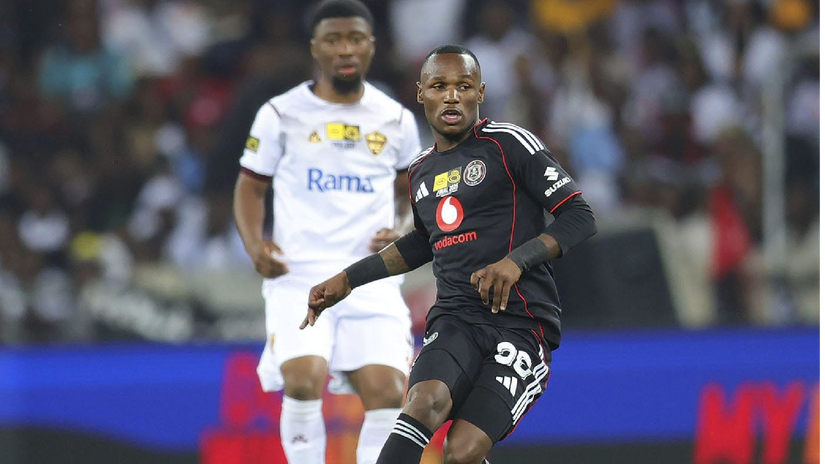
This extra defender gave them a stable block, forcing Al Hilal to recycle possession endlessly rather than penetrate centrally or in transition.
As Al Hilal looked to build patiently from the back, using wide centre-backs and Petrus as the pivot, Singida cleverly disrupted their rhythm by slowing restarts and taking the sting out of the game.
In the 88th minute, further substitutions emphasised game management: Clatous Chama made way for Issa, and Khabib was replaced by Mohamed Damaro.

These changes allowed Singida to maintain their intensity in pressing while also securing defensive cover for transitions.
The closest Al Hilal came to restoring parity was in stoppage time when Jean unleashed a powerful shot, only for Masalanga to produce a superb save.
The rebound caused a collision involving Salem, but Singida’s goalkeeper Masalanga saved it.
Andrew Phiri replaced Tchakei Marouf late on, the Singida Black Stars went fully man-to-man in defense, especially upfront, cutting off Al Hilal’s final attempts to generate momentum.
The game ended 2–1 in favour of Singida, a result that reflected both their tactical discipline and Clatous Chama’s decisive quality.
This contest highlighted several key tactical themes. Singida’s pressing and rotations stood out, particularly their aggressive 4-1-3-2 high press that morphed into a 4-4-2 mid-block when deeper.
Their fullbacks, especially Kibabage and Koffi, functioned almost like auxiliary wingbacks, while Malanga’s rotations and Chama’s dribbles consistently disrupted Al Hilal’s defensive shape.
.jpg)
On the other hand, Al Hilal’s direct play relied heavily on long diagonals to bypass the midfield.
They overloaded the left flank with Jean, Faris, and Omer, but their predictability and dependence on wide attacks made them easier to contain, especially since Singida preferred defending crosses rather than central progression.
Set-piece organisation was another decisive factor. Singida’s blend of man-to-man and zonal marking at corners reduced Al Hilal’s aerial effectiveness, while Masalanga’s interventions - including a crucial tip-over late in the first half - preserved stability.
Beyond that, game management defined the closing stages. Singida’s transition into a 5-3-2, combined with clever use of substitutions, killed Al Hilal’s rhythm and protected their slender lead.
In conclusion, this CECAFA Kagame Cup clash showcased the beauty of tactical variety.
Al Hilal tried to impose themselves through directness, flank overloads, and transitional runs, but their approach grew predictable and was eventually neutralised.

Singida Black Stars, by contrast, combined structural discipline, intelligent pressing triggers, and positional fluidity. Ultimately, the difference came from Clatous Chama’s individual brilliance, his brace sealing an industrious and intelligent team performance.
Singida not only outmanoeuvred Al Hilal tactically but also showcased the resilience and adaptability required to succeed in regional competition.