


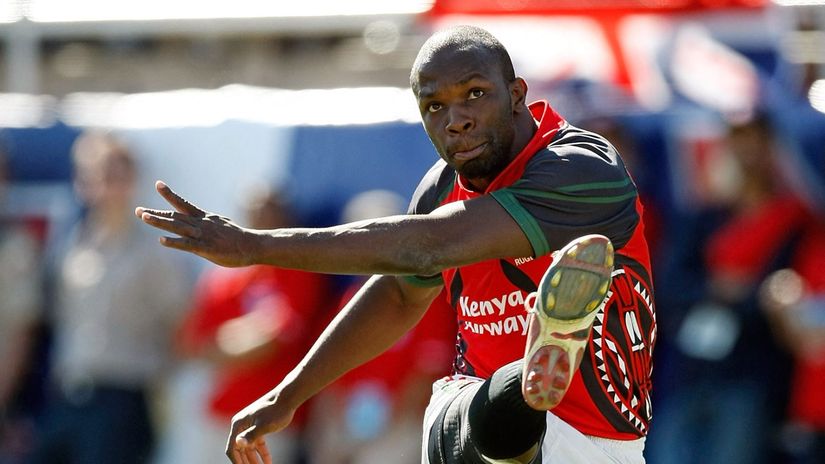
Lavin Asego on shifts in coaching during his playing days and Gen Z era

.jpg)

.jpg)
.jpg)



_(1).jpg)
Reading Time: 3min | Thu. 17.07.25. | 18:21
Now transitioning into coaching, Asego is guiding the next generation of players at Mwamba RFC
Kenyan rugby legend Lavin Asego has shared insights into how the game has evolved over the years, drawing from his extensive experience as a former player and now as a coach with Mwamba RFC.
Follow our WhatsApp channel for more news
Asego etched his name in history as the first Kenyan to score over 1,000 points in the HSBC World Rugby Sevens Series. With a career total of 1,026 points, he is part of an elite club that includes only one other Kenyan, Collins Injera.
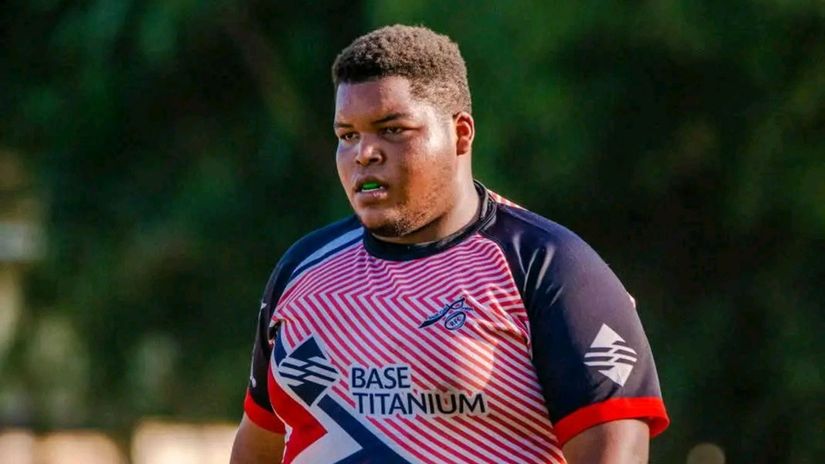
Now transitioning into coaching, Asego is guiding the next generation of players at Mwamba RFC.
In an exclusive interview with Mozzart Sport, the former fly-half noted that while the fundamentals of the sport remain the same, there is a cultural shift in how the modern game is approached.
“One thing that I always believe is that rugby never changes; the basics of rugby always remain the same. And that is why I try as much as possible just to keep it simple for the boys. Nothing much, just basic rugby: pass, tackle, create space,” he said.
He, however, highlighted the changing dynamics between players and coaches.

“The difference between my generation and this one is that they are more vocal about what they want to see in the team and what needs to happen.
I welcome that because they are the ones on the pitch, and they are the ones who can see firsthand what is happening in the team,” he shared.
Asego sees this shift as part of a broader generational trend where young people, particularly Gen Z, value being heard and involved in decision-making, whether in the workplace, in social spaces, or on the rugby pitch.
“As a coach, I am open to hearing their ideas. Whereas back in the day, it was more of a dictatorial system, but this generation, you also have to listen to them because they have opinions,” he uttered.
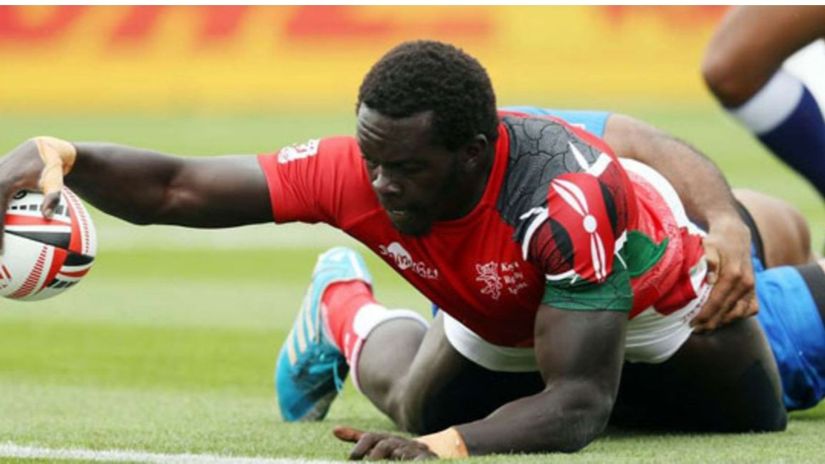
His international journey with Shujaa began in 2003 under coach Bill Githinji. Kenya’s debut in the World Sevens Series was a baptism of fire, opening against a formidable South African team that would go on to win the entire series.
Kenya lost 33-0 in that match and went on to face Samoa and Argentina in the pool stages.
One of the fly-half’s most cherished memories came during the 2004 Wellington 7s in New Zealand, where Kenya stunned Australia. It was a breakout moment for a team still seen as underdogs.
That squad featured standout names like the late Allan Makaka and Lucas Onyango, players who helped lay the foundation for Kenya’s rise in international rugby.
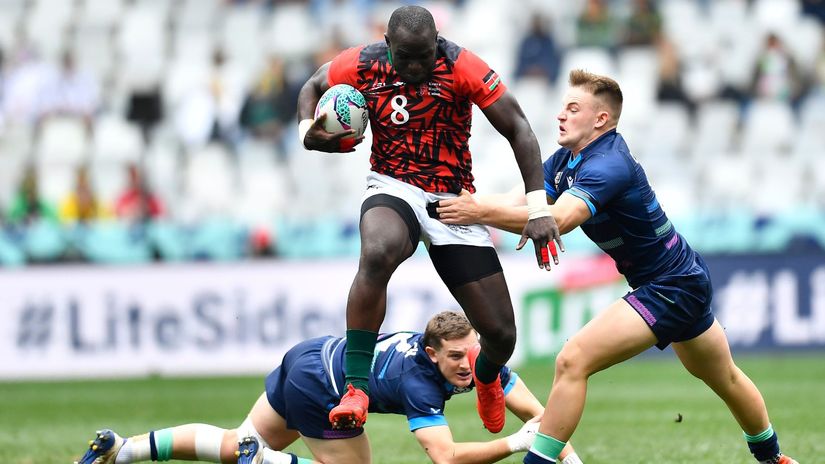
Another historic moment came in the 2009 Rugby World Cup Sevens, when Kenya shocked Fiji, a rugby powerhouse at the time.
Asego not only scored but converted his try to give Kenya a 7-0 halftime lead, setting the stage for one of the team’s most memorable victories.