


Why Gor Mahia's AGM is crucial for members in shaping future of club



.jpg)


.jpg)
Reading Time: 5min | Wed. 01.07.26. | 18:59
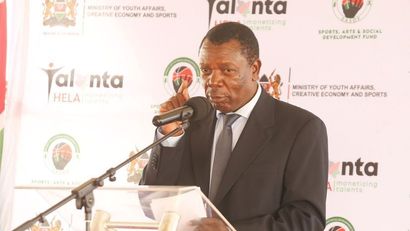
In a media briefing shared on the club's official social media platforms, Secretary General Nick Arum announced that the meeting will bring together registered members
Record FKF Premier League champions Gor Mahia have set Sunday, 2 August, as the date for their much-anticipated Annual General Meeting (AGM).
Download our Mozzart Sport App for more news
In a media briefing shared on the club's official social media platforms, Secretary General Nick Arum announced that the meeting will bring together registered members, with the venue and agenda to be communicated in due course.
"It is now my pleasure to give notice of our Annual General Meeting, which will be held on August 2, 2026. The venue will be announced in due course, and we call upon all registered members to prepare for that occasion.
The agenda will also be communicated in good time. We hope everyone will be available to attend," Arum said.
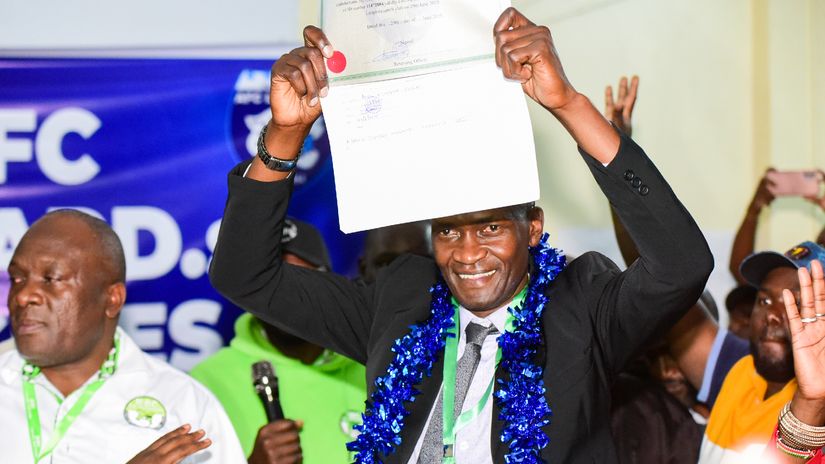
The announcement comes just days after rivals AFC Leopards held their own AGM, where members turned up in large numbers to deliberate on issues affecting the club.
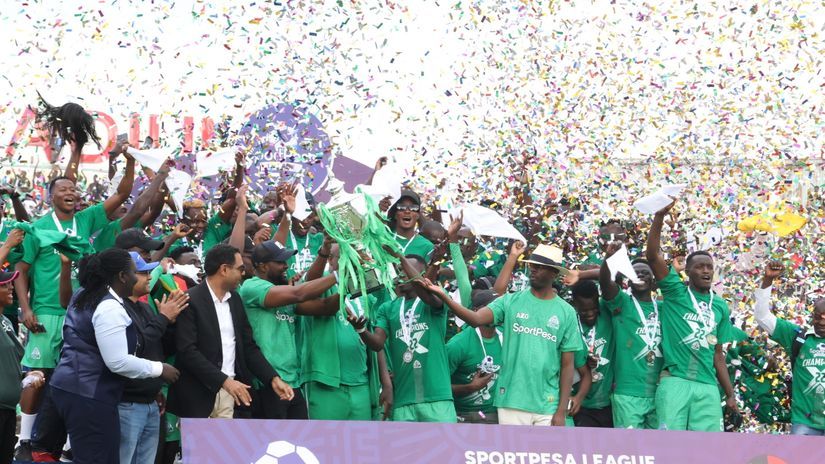
For K'Ogalo, however, the meeting carries even greater significance because it comes at a time when the club is celebrating another league title while simultaneously dealing with governance, financial and sporting questions that could shape its future.
Having reclaimed the FKF Premier League crown and secured a return to the CAF Champions League, members now have an opportunity to look beyond the celebrations and confront the challenges that continue to face Kenya's most successful football club.
Mozzart Sport looks at some of the key issues that deserve attention when members convene on Sunday, 2 August.
Leadership and governance
The leadership dispute involving Chairman Ambrose Rachier is expected to dominate discussions during the meeting.
The Sports Registrar directed Gor Mahia to conduct fresh elections after ruling that officials who have served continuously since the club's registration under the Sports Act in 2018 had exhausted the legal eight-year term limit.
Rachier has challenged that decision in court, arguing that his tenure under the Sports Act only began after the club's first elections held under the new law in 2020.
While the matter awaits a verdict by the High Court, members still have an opportunity to discuss broader governance reforms that could prevent similar disputes in the future.
Reviewing the club's constitution, election procedures, and succession planning could help strengthen stability whenever leadership transitions arise.
Financial accountability
Like every community-owned club, Gor depends on its members to hold the leadership accountable, making the presentation of financial reports one of the most important aspects of the AGM.
The 12th man is expected to seek clarity on income generated from sponsorships, gate collections, membership subscriptions, merchandise sales and prize money earned after winning the FKF Premier League title.
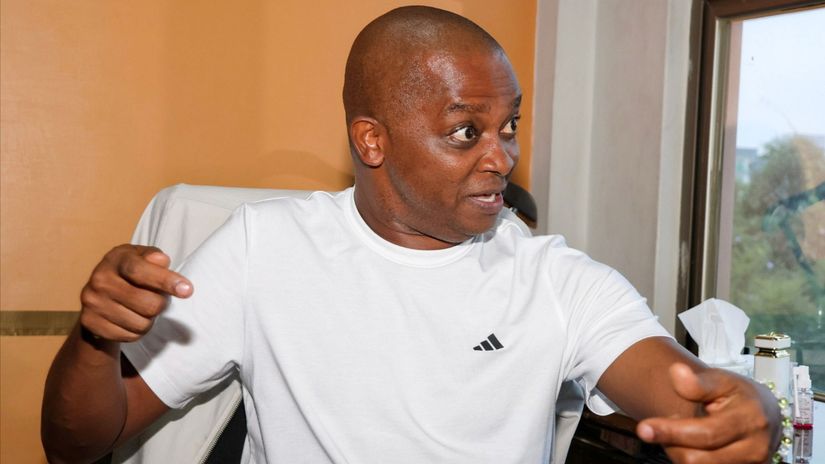
At the same time, the executive will likely face questions on outstanding debts, player salaries, operational expenses and whether the club has the financial capacity to sustain a competitive campaign both locally and in continental football.
Turning domestic dominance into continental success
Winning the league has once again earned Gor Mahia a place in the CAF Champions League, but many supporters believe qualification alone should no longer be the club's ultimate target.
Despite dominating Kenyan football for years, K'Ogalo have repeatedly struggled to make a lasting impression on the continental stage, with the 2019 CAF Confederation Cup quarter-final remaining their best recent performance.
The AGM, therefore, offers members an opportunity to push the leadership towards a clear continental strategy that focuses on building a squad capable of competing beyond the preliminary rounds.
Such a plan would require quality recruitment, better pre-season preparations, stronger technical support and adequate financial investment if Gor Mahia are to compete consistently with Africa's elite.
It is an ambition that chairman Rachier himself has repeatedly spoken about, insisting that continental success should now become the club's next major objective.
Recruitment and squad planning
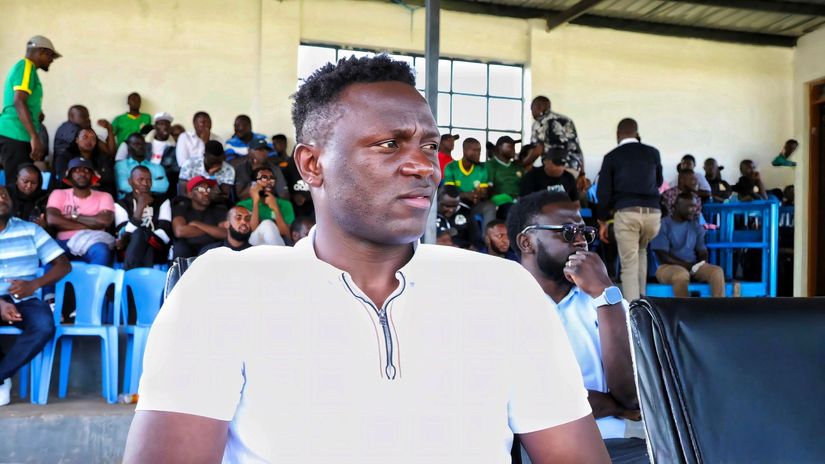
Player recruitment is another issue likely to attract keen interest, especially following the departure of league Most Valuable Player (MVP) Enock Morrison.
With CAF football demanding greater quality and squad depth, fans must seek assurances that recruitment is being guided by long-term technical planning rather than short-term solutions.
Reviving the youth system
Although Gor Mahia have produced several outstanding players over the years, the club has struggled to establish a consistent pathway from youth football to the senior team.
The decline of Gor Mahia Youth, which was relegated before restarting its journey in the regional leagues, highlights the need for renewed investment in youth development.
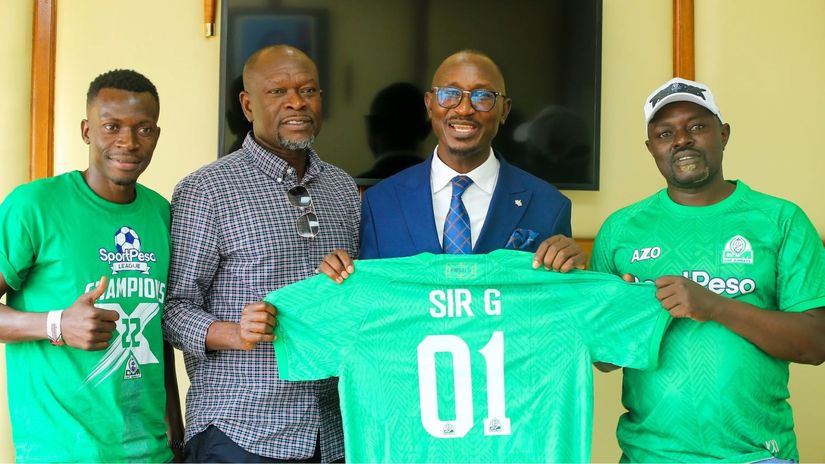
Members must challenge the leadership to prioritise the academy by creating structures that nurture young talent while reducing the club's dependence on expensive transfers.
Infrastructure development
The absence of a permanent training ground and club-owned facilities remains one of Gor Mahia's biggest long-term challenges.
For years, the club has relied on hired facilities despite its stature as Kenya's most successful football institution.
The AGM gives members another opportunity to seek updates on plans to acquire land, establish a permanent training complex and develop commercial facilities capable of generating income throughout the year.
Expanding commercial revenue
Success on the pitch must also be matched by growth off it.
While Gor Mahia have recently intensified commercial activities around their title-winning campaign, fans want the club to develop a broader strategy that expands merchandise sales, attracts new corporate partners and strengthens digital engagement with supporters.
Strengthening the membership base
As a community-owned club, Gor Mahia's greatest strength remains its supporters.
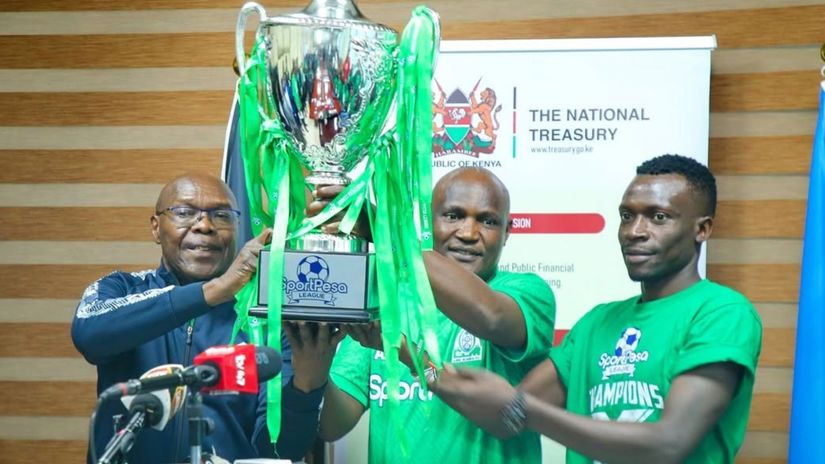
The AGM presents an opportunity to discuss ways of increasing registered membership, simplifying digital registration and ensuring members remain actively involved in club affairs throughout the year rather than only during election periods.
A larger membership base would also provide the club with a more reliable source of revenue through subscriptions.
A chance to define the future
Beyond adopting reports and fulfilling constitutional requirements, this year's AGM presents Gor Mahia with an opportunity to define where the club wants to be over the next five years.
A clear roadmap covering governance, financial sustainability, infrastructure, youth development and continental competitiveness would provide the direction needed to match the club's rich history with equally ambitious plans for the future.
Having re-established themselves as champions of Kenya, the next challenge for K'Ogalo is ensuring that domestic success becomes the foundation for sustained progress on the African stage