


Rugby fraternity pays tribute to Mike Okombe eight years on

Reading Time: 4min | Thu. 18.12.25. | 16:40
He was only 27 years old and a flanker in his prime. His life and career were violently cut short just as everything seemed to be falling into place
Some stories refuse to fade. They linger in changing rooms, in half-time talks, and in the silence that follows a big hit.
Follow our WhatsApp channel for more news
Mike Okombe’s story is one of them.
On Saturday, 4 November 2017, Kenya rugby woke up to news it was never prepared to receive: Okombe was gone.
He was only 27 years old and a flanker in his prime. His life and career were violently cut short just as everything seemed to be falling into place.
_(1).jpg)
For many, it still does not make sense.
At the time of his death, Okombe was recovering from knee surgery and was on the verge of completing a move to Kenya Cup champions Kabras RFC.
The plan was to come back stronger, wear new colours, and be key in Kenya Simbas’ push for World Cup qualification.
Instead, the rugby fraternity was left with a haunting question they may never answer: what if Mike Okombe was still alive?
On the field, Okombe did not ask for permission.
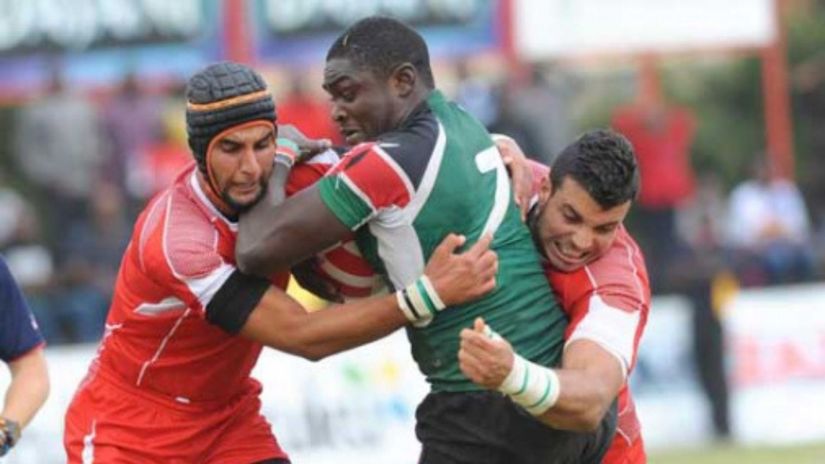
He announced himself with bone-rattling tackles, relentless carries, and an engine that refused to switch off.
He made his Simbas debut in June 2013 and went on to earn 17 test caps, losing only six times in national colours. He was the kind of player whose value could not always be measured in tries, but in the fear he planted in opponents and the confidence he gave teammates.
His journey began at Western Bulls before he joined Nakuru RFC, where he became part of a golden generation.
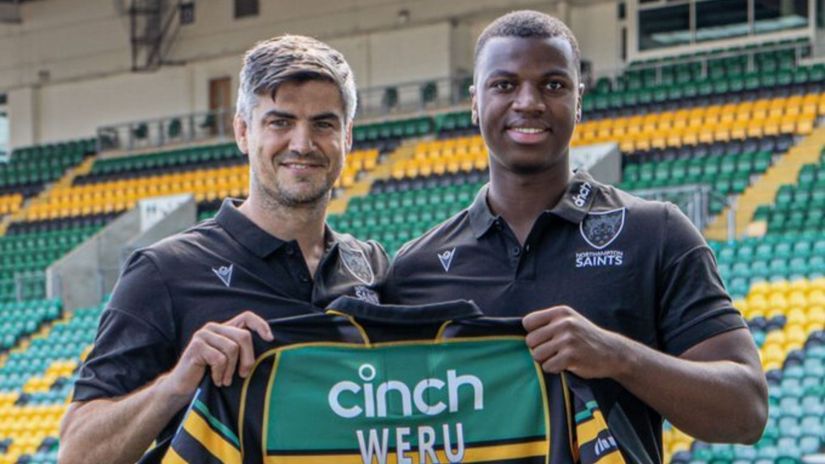
Back-to-back Kenya Cup titles in 2013 and 2014 followed, and with them, his reputation as one of the most dependable flankers Kenya had seen in years.
Mozzart Sport chatted with some of his teammates who spoke of Okombe with reverence, admiration, and heartbreak.
Oliver Mang’eni remembers the day everything changed. The current Kenya Harlequin forwards coach was with the Simbas squad preparing for the Regal Hotel Four Nations tournament in Hong Kong when the news broke.
“I remember we were preparing for the tournament when we received the news. It was heavy. Very heavy,” he recalled.
The team was already under strain, coming off suspensions and limited preparation, but nothing could compare to the weight of losing one of their own.
“We planned to honour him with the results. Unfortunately, they did not go our way,” he continued.
Mang’eni smiled when he spoke of Okombe, the player.
“He was fierce. A ferocious tackler. He saved us from hard tackles. He would come from nowhere and smash anyone likely to tackle you,” he disclosed.
Yet even warriors have imperfections.
“One of his eyes was not 100 per cent, so handling the ball was sometimes a challenge. But in every other way, he was perfect,” he averred.
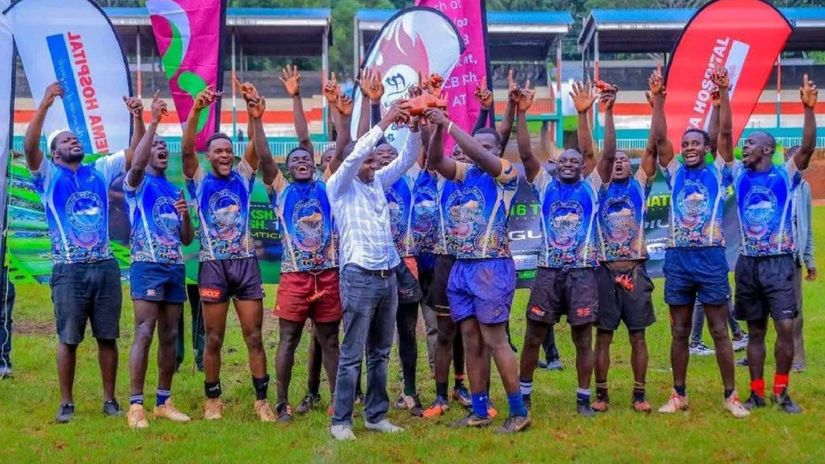
Menengai Oilers halfback Samson Onsomu, now a regular figure in the Simbas backline, still shakes his head in disbelief when Okombe’s name comes up.
“He was one of the hardest tacklers I have ever seen or played against. In Brazil in 2016, the statistics showed he had the most tackles and the most carries. That tournament was for heavyweights, and he stood out,” the talented scrum half offered.
But what lingers most for Onsomu is not Okombe’s hits, but the man.
“He was very low-key. He talked less. He just did his job. If he were still alive, I think he would be the best backrow of my time,” he recalled.
Brian Nyikuli, a former Simbas captain and now part of the KCB Rugby technical bench, spoke of Okombe with the tone of someone who had seen leadership before it fully blossomed. Nyikuli captained Okombe, and his voice carries weight.
“He was a warrior. You never had to tell him what to do. He already understood his role,” Nyikuli said.
.jpg)
By the end of 2016, Kenya had climbed to 21st in the world rankings, and Nyikuli noted that Okombe was central to that rise.
“I saw him becoming a leader, even captaincy material,” he said.
Then came the painful reflection.
“In 2017, we came very close to qualifying for the World Cup, but some players retired. If we had remained intact, I truly believe we would have qualified for 2019. We were on an upward curve, and our opponents had nothing on us,” he offered.
Okombe’s death was a brutal blow to Nakuru RFC as well.
“He was among the last of the heroes for that team. He had done a crazy pre-season. He had become really big. Kabras RFC was waiting. A new chapter was ready to be written. It never was. Unfortunately, we never saw him in his new colours,” Nyikuli said.
Off the field, Okombe was nothing as the intimidating figure opponents feared.
Nyikuli vividly remembers that backrow combination: himself at six, Okombe at seven, and Brian Chisanga at eight.
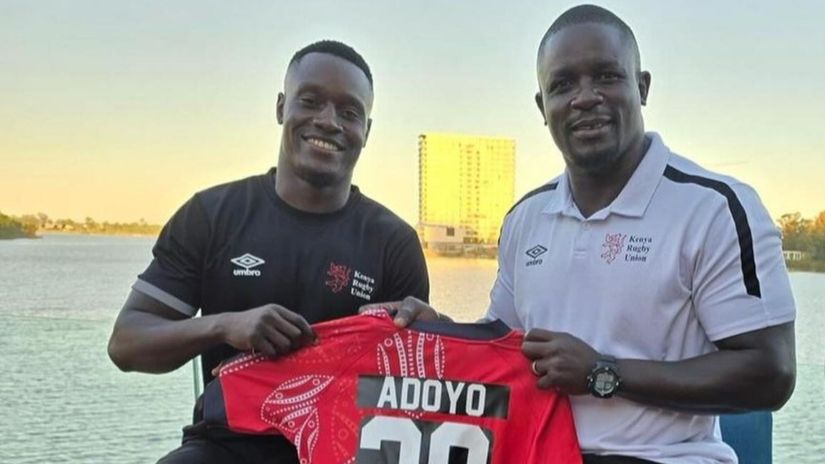
“We had gotten used to each other. He was instrumental in our defense,” he said.
Years have passed, but Okombe’s name still carries weight. In every debate about great flankers, every conversation about missed opportunities, and in every quiet moment when Kenyan rugby wonders how different the story might have been.
He was 27. Not finished. Not even close.