


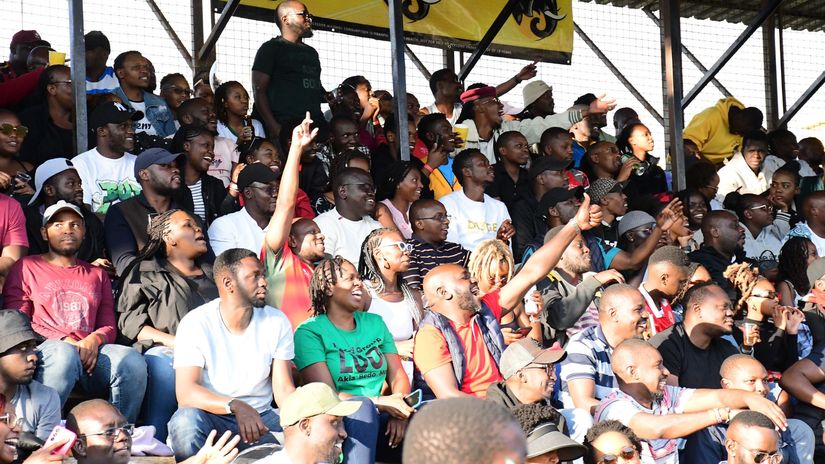
Fans voice concerns after KRU’s proposal to overhaul Kenya Cup's structure







Reading Time: 3min | Wed. 10.12.25. | 07:58
While the union sees the restructuring as a solution, fans have voiced mixed reactions, with many questioning whether the move addresses the league’s real challenges
On Wednesday, 3 December, Mozzart Sport reported that the Kenya Rugby Union (KRU) was considering a major overhaul of the Kenya Cup in a bid to restore competitiveness.
Follow our WhatsApp channel for more news
Lately, the league has been increasingly defined by lopsided scorelines and widening gaps between teams.
Under the proposed structure, the Kenya Cup will be divided into two tiers.

Tier One would feature the top six clubs, Tier Two the bottom six, with promotion and relegation decided through playoff matches between the bottom two of Tier One and the top two of Tier Two.
“As a federation, we need to seriously consider how to channel more funds to these teams so they can attract quality players and build strong technical benches. Only then will they be able to compete with the top-tier sides.
That said, we also need a broader conversation about whether the Kenya Cup should be split into two tiers. If you look at the top six versus the bottom six, the discrepancy is huge,” KRU Director of Fixtures Leslie Mwangale said.
While the union sees the restructuring as a solution, fans have voiced mixed reactions, with many questioning whether the move addresses the league’s real challenges.
Some supporters believe the KRU is borrowing ideas from European unions rather than tailoring solutions for Kenyan rugby.
In October, the Welsh Rugby Union (WRU) announced plans to reduce the number of professional men's rugby teams in Wales from four to three by 2028 to create a more sustainable and competitive system.
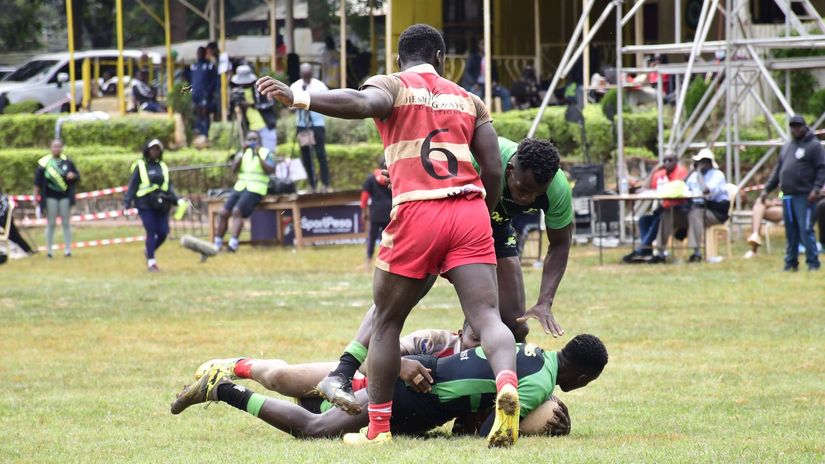
The new structure will feature one team in Cardiff, one in East Wales, and one in West Wales, with a tender process for licenses, aiming to pool resources and talent for better performance in competitions like the United Rugby Championship (URC).
“I think KRU are doing copy and paste from Europe. The Welsh Rugby Union were the first to announce the reduction of pro teams, and then the European Rugby Union last month reported the same. Now this month it’s the Kenya Rugby Union.
Either someone is copying another or the pressure is from Rugby Union,” Camp Mullwa commented.
Other fans argued that restructuring alone will not solve Kenya Cup’s problems.
“We say get a league sponsor, they say let’s shake up the league structures. Even in split tiers, Kenya Cup will still experience the same problems; three, at most four, clubs will still hoard Tier One, while the same clubs keep shifting through that playoff nonsense!” The Bench254 posted.
Another fan, Philip Sambu, warned that splitting the league could widen inequalities unless clubs become fully professional.

“Splitting it into two tiers will widen the gap. Kenya Cup should be turned into a company owned by the teams. This will boost negotiations for title sponsorships and TV rights, with the cash split evenly,” he said.
Some fans felt that differences in team strength are a natural part of sport.
“It cannot work! In a competition, others will be too strong, others strong, and others average; that is the nature of sports. It took Argentina over five seasons to beat the All Blacks in the Rugby Championship, yet now they go toe-to-toe,” Abura Nyang’ noted.
Celebrated photographer Arigi Obiero was among the most critical voices, arguing that the problem is not structure but resources.
“The ONLY competitive teams in Kenya at the moment are the top three: KCB, Kabras, and Oilers. The other teams just lack the resources the big three have. KRU needs to find a way to bridge that gap, not kill Kenya Cup. It’s like when someone has a headache and decides the only cure is to chop off the head!” he posted.
As the Kenya Cup debate continues, one deeper issue keeps being highlighted: financial inequality among clubs.
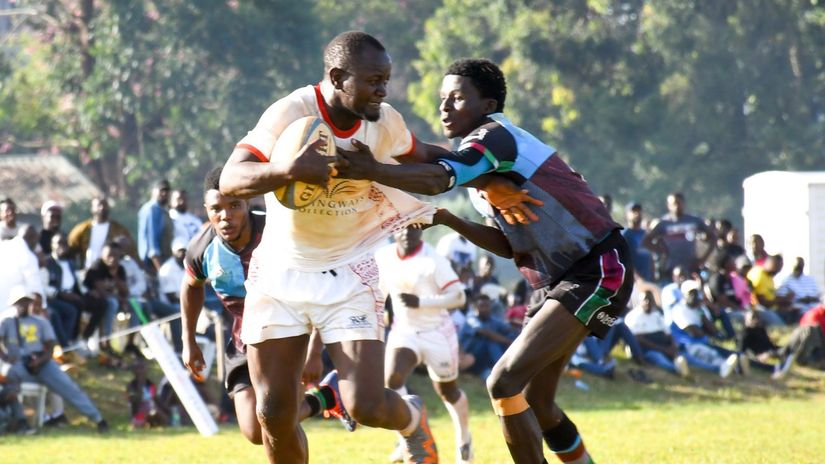
While the proposed two-tier system could improve competitiveness on paper, many supporters believe the league’s survival depends on funding, sponsorship, and sustainable development for all teams, not just structural tinkering.