


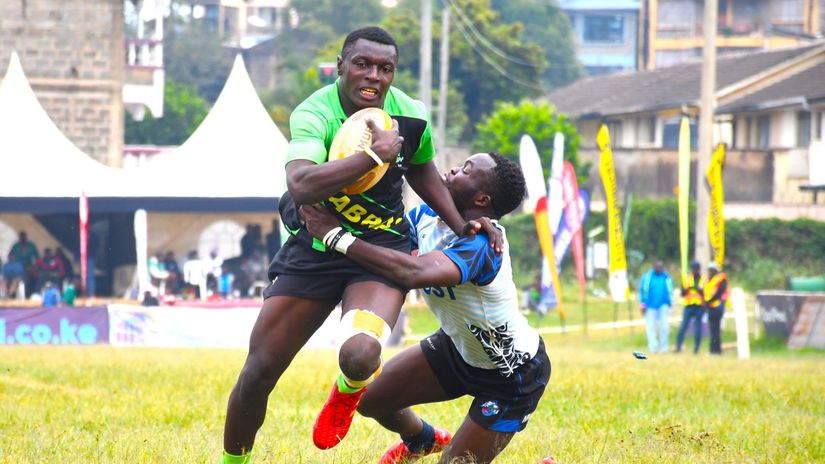
Inside Kenya Rugby’s plan to restore Kenya Cup’s competitive edge
.jpg)



.jpg)

Reading Time: 4min | Wed. 03.12.25. | 22:21
Community clubs once thrived, upset traditional powerhouses, and produced top-tier talent
Kenya’s top-flight rugby league, the Kenya Cup, is grappling with a growing competitiveness crisis.
The once-fiercely contested league is struggling with widening gaps in quality, financial instability among clubs, and increasingly one-sided scorelines.
Follow our WhatsApp channel for more news
Community clubs that once stood shoulder-to-shoulder with corporate giants are struggling to survive, let alone compete.
The warning signs have been visible all season.
Impala RFC, a club that once dominated Kenyan rugby, suffered an 87–5 defeat to KCB before being crushed 97–6 by Menengai Oilers.
These results, though reflective of the winning teams’ strength, highlight a troubling imbalance across the league.
Mozzart Sport chatted with Kenya Rugby Union (KRU) Director of Fixtures Leslie Mwangale, who acknowledged the growing concern.
"It is quite worrying. When you look at the scoreline, almost 100 points between Impala and Oilers, it raises concerns. And that is not to take anything away from the Oilers; they are a good side and have prepared well. But the gap is troubling,” Mwangale said.
The Kenya Cup was not always so predictable.
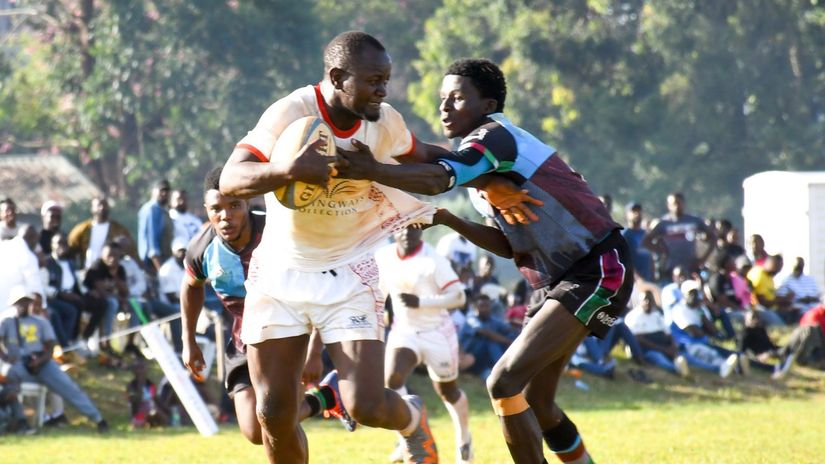
Community clubs once thrived, upset traditional powerhouses, and produced top-tier talent.
Nakuru RFC made history with back-to-back titles in the 2012/13 and 2013/14 seasons, becoming one of the first community teams to challenge and dethrone corporate-backed sides.
Before that, from 1970 to 1987, community clubs dominated Kenyan rugby, winning the Kenya Cup for 17 straight years until Barclays Bank RFC became the first corporate club to lift the title.
Mean Machine briefly disrupted when they won in 1977. Nondescripts RFC and Mwamba RFC were among the standout community teams during that golden era.
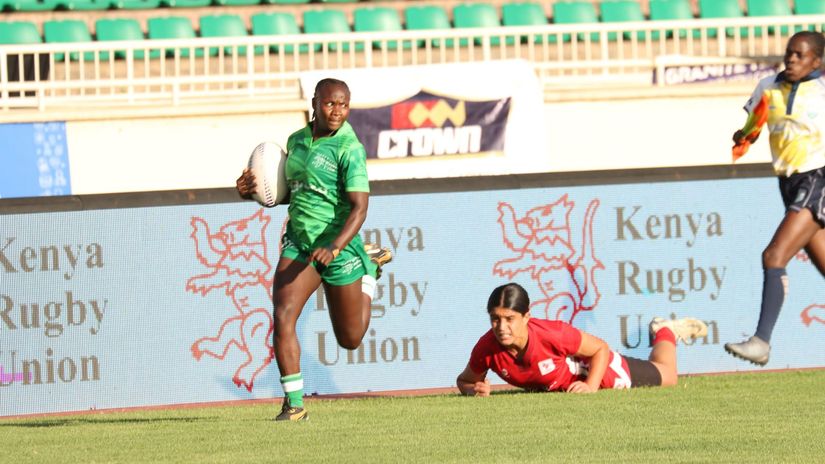
The pendulum would swing back briefly until 2005, when KCB won their maiden title.
Around the same time, teams like Western Bulls enjoyed strong mid-table seasons, regularly upsetting big sides and nurturing talents such as Davies Chenge, who later starred for KCB and the national team.
Today, however, the Bulls are fighting for survival. Financial constraints, walkovers, and shrinking squad depth have taken a toll.
They are not alone. Former giants like Homeboyz, Mean Machine, Mwamba, and Impala, once central to the league’s identity, are all struggling to keep pace.
According to long-time observers, the rot began two or three seasons before COVID-19, when reduced sponsorship and economic pressures hit community clubs hard.
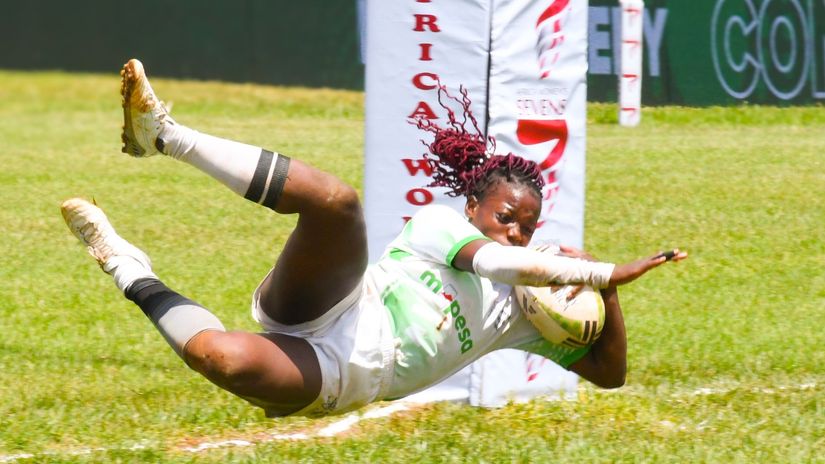
History reflects this decline. Nakuru, in 2013/14, were the last community club to win the Kenya Cup. Since then, KCB and Kabras have dominated without interruption.
The pandemic further widened the gap. Community clubs were hit hardest, losing players, staff, and financial support.
Meanwhile, corporate and institutional teams, backed by stable budgets and better structures, pulled further ahead.
To address the growing imbalance, KRU is considering a structural overhaul, similar to the 2016/17 reduction of Kenya Cup teams from 14 to 12.
This time, the federation is exploring a two-tier Kenya Cup format: a top division and a lower division.
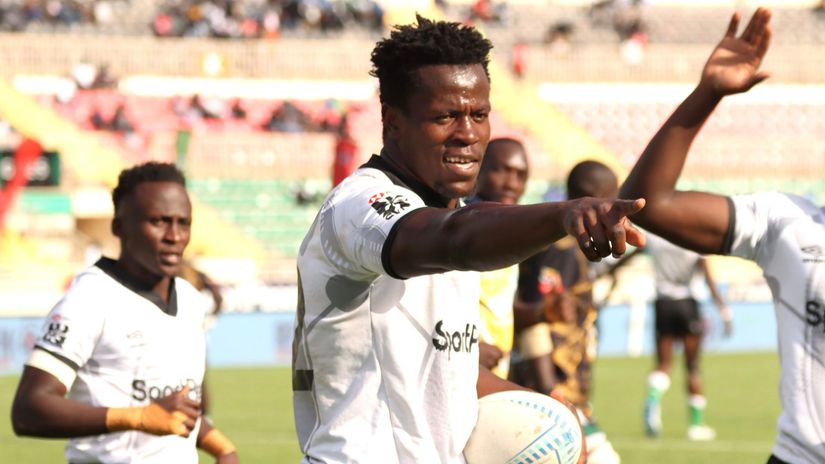
Mwangale outlined the thinking behind the proposal.
“As a federation, we need to seriously consider how to channel more funds to these teams so they can attract quality players and build strong technical benches. Only then will they be able to compete with the top-tier sides,” he explained.
“That said, we also need a broader conversation about whether the Kenya Cup should be split into two tiers. If you look at the top six versus the bottom six, the discrepancy is huge,” he said.
Under the proposed structure:
- Tier One: top six clubs
- Tier Two: bottom six clubs
- Promotion/relegation: bottom two in Tier One face the top two in Tier Two in playoff matches.
.jpg)
Using the current standings as an example, Oilers, Kabras, KCB, Strathmore, Quins, and Nondies would make up Tier One, while Blak Blad, Nakuru, Kisumu, MMUST, Daystar, and Impala would form Tier Two.
“I believe that would make more sense in determining promotion and relegation, and it would raise the league’s overall competitiveness,” Mwangale added.
KENYA CUP PREVIOUS WINNERS
· 1970 Impala RFC
· 1971 Impala RFC
· 1972 Impala RFC
· 1973 Impala RFC
· 1974 Impala RFC
· 1975 Nondescripts RFC
· 1976 Nondescripts RFC
· 1977 Mean Machine RFC
· 1978 Nondescripts RFC
· 1979 Nondescripts RFC
· 1980 Nondescripts RFC
· 1981 Nondescripts RFC
· 1982 Nondescripts RFC
· 1983 Mwamba RFC
· 1984 Nondescripts RFC
· 1985 Nondescripts RFC
· 1986 Nondescripts RFC
· 1987 Barclays Bank RFC
· 1988 Nondescripts RFC
· 1989 Mean Machine RFC
· 1990 Mean Machine RFC
· 1991 Nondescripts RFC
· 1992 Nondescripts RFC
· 1993 Nondescripts RFC
· 1994 Nondescripts RFC
· 1995 Kenya Harlequin FC
· 1996 Kenya Harlequin FC
· 1997 Nondescripts RFC
· 1998 Nondescripts RFC
· 1999 Kenya Harlequin FC
· 2000 Impala RFC
· 2001 Impala RFC
· 2002 Impala RFC
· 2003 Kenya Harlequin FC
· 2004 Impala RFC
· 2005 KCB
· 2006 KCB
· 2007 KCB
· 2008 Kenya Harlequin FC
· 2009 Impala RFC
· 2010 Kenya Harlequin FC
· 2010/11 Kenya Harlequin FC
· 2011/12 Kenya Harlequin FC
· 2012/13 Nakuru RFC
· 2013/14 Nakuru RFC
· 2014/15 KCB
· 2015/16 Kabras Sugar
· 2016/17 KCB
· 2017/18 KCB
· 2018/19 KCB
· 2019/20 League Cancelled Due To COVID-19
· 2021 KCB
· 2021/22 Kabras Sugar
· 2022/23 Kabras Sugar
· 2023/24 Kabras Sugar
· 2024/25 Kabras Sugar