


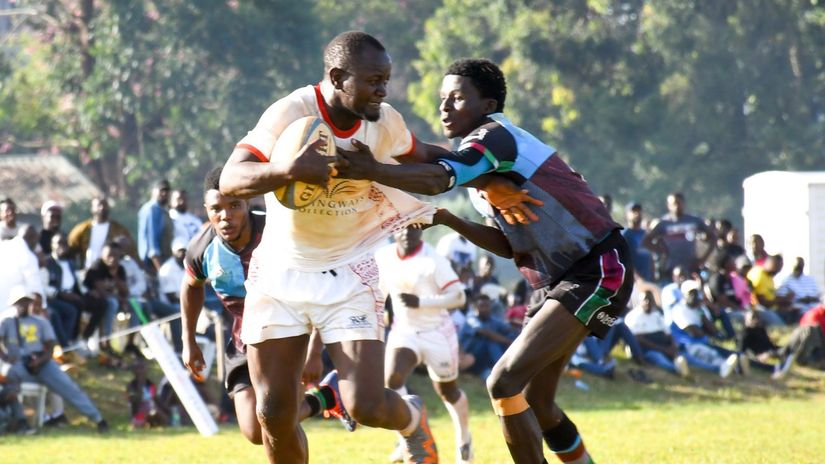
KRU outlines how new ESS model will pave the way for a full U20 league









Reading Time: 3min | Wed. 03.12.25. | 15:32
In the first year, clubs are required to field a set number of U20 players alongside a few U23s and senior players
About a fortnight ago, the Kenya Rugby Union (KRU) unveiled a revamped structure for the Eric Shirley Shield (ESS) league.
Under the new model, the ESS has been divided into two regional conferences: Eastern and Western.
Follow our WhatsApp channel for more news
The Eastern Conference comprises seven Nairobi-based Kenya Cup sides, including: KCB Rugby, Nondies, Kenya Harlequins, Strathmore Leos, Kenyatta University’s Blak Blad, Impala RFC, and Daystar Falcons.
The Western Conference features: Kabras Sugar and Masinde Muliro University of Science and Technology (MMUST) from Kakamega, Menengai Oilers and Nakuru RFC from Nakuru, and Kisumu RFC.
Previously, ESS fixtures were scheduled consecutively with Kenya Cup matches, often serving as curtain-raisers to top-flight games.
That model appears to have ended following the 2024/25 season, paving the way for a conference-based format.
Initially, when the new office took over, KRU Chairperson Harriet Okach announced that they would do away with the ESS and replace it with a U20 league.
Mozzart Sport spoke to KRU Director of Fixtures Leslie Mwangale, who explained how the new ESS model will ultimately pave the way for a fully-fledged Under-20 (U20) league over the next three years.
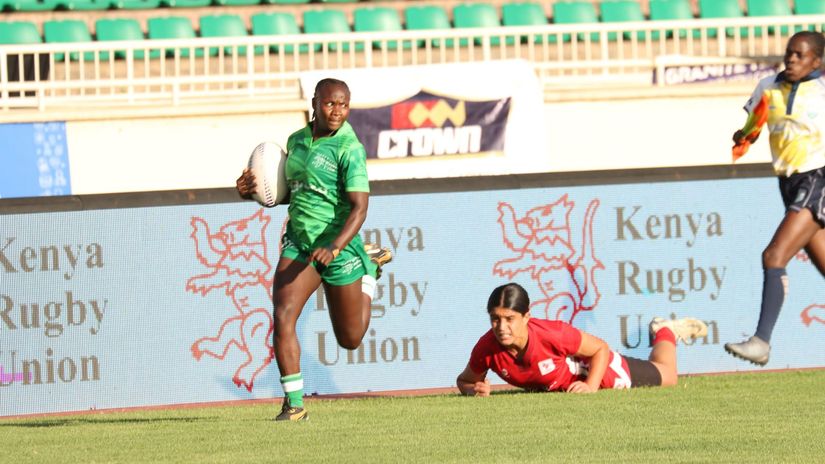
Mwangale explained the rationale behind the changes, highlighting the financial pressures faced by clubs.
"For the ESS, we tried to restructure it so that it’s played in conferences. The main reason is to reduce the financial burden on teams. Many clubs have been struggling. Last season, for example, we had several walkovers," Mwangale said.

The conference system, he added, will allow teams to travel shorter distances for matches, significantly reducing costs.
"We now have two conferences: the Western and the Eastern. Teams from the western part of the country play in the Western Conference, and those on this side play in the Eastern Conference.
The winners from each will meet in the finals. Alongside this, we are also implementing a U20 league," he said.
The new U20 league will be phased in over three years.
In the first year, clubs are required to field a set number of U20 players alongside a few U23s and senior players.
The second year will see an increase in the U20 quota while reducing U23 and senior slots.
.jpg)
By the third year, the ESS will be strictly a U20 competition, with no older players.
"It is a quota-based transition. We have already communicated this to the clubs," Mwangale noted.
Mwangale noted that the format was developed after consultations with Kenya Cup sides to ensure that travel logistics are manageable and that costs are kept in check.
"When you have two teams travelling from Kakamega to Nairobi, accommodation and transport become very expensive. But travelling from Kakamega to Kisumu is far more manageable.
With conferences, teams can travel, play, and return home the same day. That significantly reduces their costs," he explained.
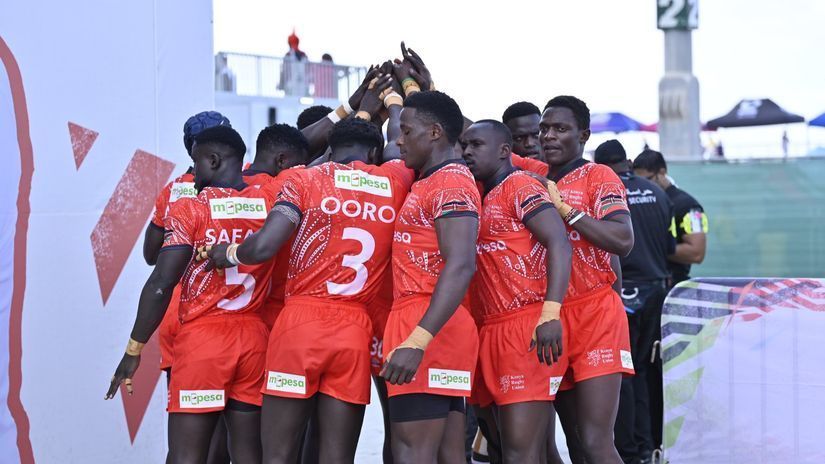
Nairobi has a higher concentration of teams, and the western region has fewer. Mwangale said the balance is being carefully managed to ensure competitive fairness.
“It was a delicate balance to strike, because we have more teams in Nairobi and fewer in the western region, but it is a balance we are working to get right,” he averred.
Nondies RFC currently top the Eastern Conference standings with 10 points, while Menengai Oilers top the Eastern Conference standings with a similar number of points.