


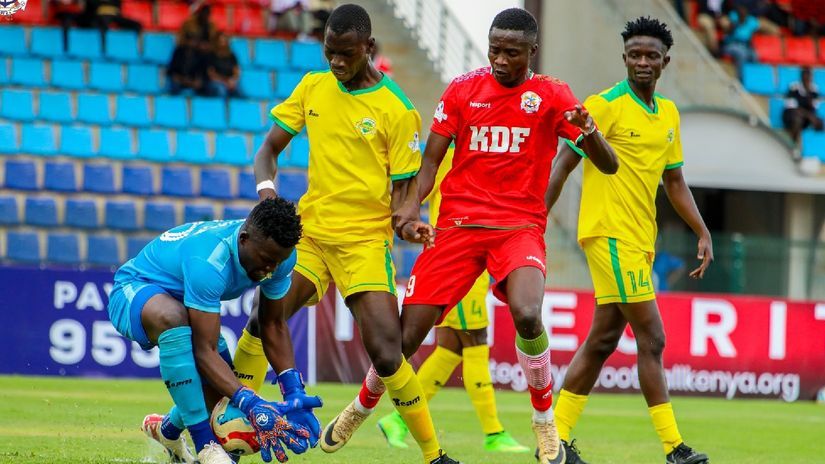
Tactical Analysis: Ulinzi Stars’ game plan that saw them neutralize the ever-dangerous Kariobangi Sharks
.jpg)

.jpg)


Reading Time: 4min | Thu. 25.09.25. | 18:41
This was a match where structure outweighed creativity. Sharks sought to dominate through possession, but Ulinzi’s pressing scheme effectively nullified their buildup.
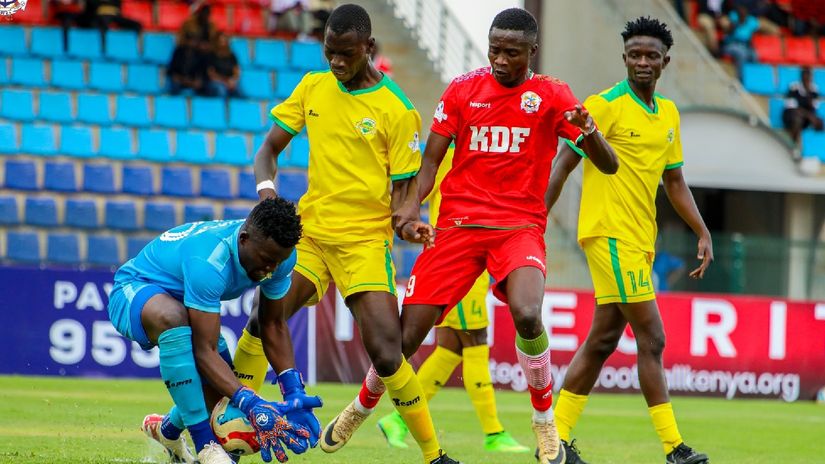
Ulinzi Stars hosted Kariobangi Sharks at the Ulinzi Complex in a round-two fixture of the FKF Premier League, a contest that ended in a barren draw.
The result continued the trend of low-scoring encounters between the two sides, with last season’s meetings producing just a single goal — scored by Javan Omondi, who has since departed for the USA on a sports scholarship.
Both sides entered the clash with clear tactical approaches, but neither could fully impose themselves in the final third, leading to a game defined more by structure and discipline than cutting edge.
Follow Our WhatsApp Channel for more news.
Team Shapes and Setups
William Muluya lined up his Kariobangi Sharks side in their familiar 4-2-3-1 base formation, emphasizing possession play from the back.
Sebastian Wekesa started in goal behind a back four of Faiz Opande, Zablon Kutela, Ian Karani, and Timothy Ekhavi. In midfield,
Andreas Odhiambo and Patillah Omotto anchored, with Wayne Mbuya operating as the creative midfielder.
Wayne Otieno and Stephen Mbulere were the wide players while Markvivan Kesa led the line.
Ulinzi Stars’ head coach, Danstan Nyaudo, set his side up in a 4-1-4-1.
Ricks Omondi was between the posts, shielded by Brian Birgen, Telena Ochieng, Felix Otieno, and Bildad Abonga in defense.
Brian Emillio was the sole pivot while Joseph Ochieng and Boniface Muchiri occupied the advanced midfield role.
LeonLevitt Osiago and Peter Mwanyika flanked striker Paul Okoth.
Sharks’ Build-Up and Ulinzi’s Press
True to their philosophy, Sharks sought to build possession from the back, splitting their center-backs wide and pushing the fullbacks high.
Coach Muluya’s men looked to build up in their 3-2 base.
In their first phase, they looked to play through their double pivot of Omotto and Odhiambo, who would then look to find the advanced forwards.
Sharks had their right-back, Opande, start lower with the center-backs. This allowed Kutela to provide width on the left. Otieno would then come inside to create a box midfield of Omotto, Odhiambo, Otieno and Mbuya.
Wekesa was actively involved in the first phase, often stepping up to create numerical overloads.
Mbulere provided width on the right, as they looked to isolate him 1v1 against his fullback.
Ulinzi responded with an aggressive 4-1-4-1 man-to-man high press, targeting Sharks’ build-up.
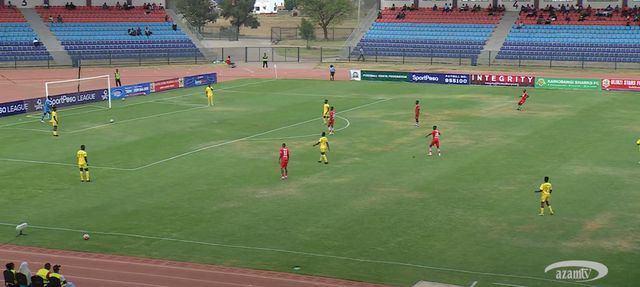
Ulinzi (red) high in a 4-1-4-1.
The dynamic of marking on the outside was the most interesting, with Birgen looking to mark the outside player (Kutela) as Ulinzi’s right winger marked inside, mirroring the box midfield of Sharks.
This denied Sharks the ability to get into Otieno consistently from progressive pattern play.
Ulinzi’s structure allowed them to win the ball in advanced zones, disrupting Sharks’ rhythm.
Ulinzi’s Direct Approach
While Sharks leaned on possession, Ulinzi Stars were more direct in their attacking play.
Their build-up often shifted into a 2-4-4 structure, with the fullbacks joining the midfield line and the center-backs initiating play.
Ulinzi looked to play quick balls in behind to their wingers, who would attack the vacated fullback space, as shown below.
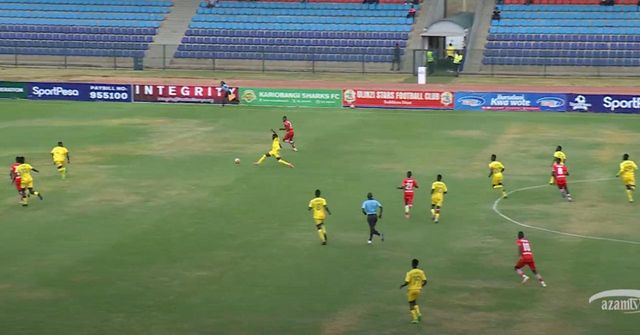
Sharks countered with a 4-4-2 mid-block, allowing Ulinzi to progress easily out of the first phase but restricting space in the second phase.
When Ulinzi did break forward, they targeted the channels, looking to isolate their wingers in 1v1 duels against Sharks’ fullbacks before delivering crosses into the box.
Yet Sharks’ defense proved disciplined. Kutela and Karani were dominant aerially, clearing most deliveries, while the fullbacks maintained focus in defending wide areas.
Key individual battles
Boniface Muchiri was central to Ulinzi’s attack in the first half. Although starting as a CAM, he frequently drifted wide to create overloads and exploit his ability in 1v1 situations, particularly against Opande.
However, the Sharks right-back held his ground, winning crucial duels and reducing Muchiri’s influence.
For Sharks, Mbuya was the creative hub, though he found little space under the pressure of Ulinzi’s midfield.
His attempts to dictate tempo were often curtailed, leaving Sharks’ attack blunt.
Second-Half Adjustments
At the interval, both coaches made changes aimed at shifting the tactical balance.
For Sharks, Muluya introduced Razel Omondi and Ally Salum for Mbulere and Otieno.
This moved Mbuya into a central attacking role, forming a box midfield alongside Odhiambo, Omotto and the inverted Razel.
Despite the structural tweak, Sharks still struggled to break down Ulinzi’s compact lines.
Nyaudo, meanwhile, replaced Mwanyika with Joseph Omuse, who brought greater defensive presence in midfield. This allowed Muchiri to move permanently wide, while Omuse’s combative style created more central stability and enabled Ulinzi to form overloads both centrally and in wide areas.

Ulinzi also targeted Razel’s defensive weaknesses.
The winger often failed to track back, leaving Kutela exposed.
Ulinzi tried to exploit this with overlapping runs and wide overloads, but once again Sharks’ central defenders neutralized the resulting crosses.
Tactical discipline over flair
This was a match where structure outweighed creativity. Sharks sought to dominate through possession, but Ulinzi’s pressing scheme effectively nullified their build-up. In response, Sharks defended their box resolutely, repelling Ulinzi’s direct wing play and limiting their opponents’ threat.
The game ultimately reflected the history between these two sides: tightly contested, low-scoring and dominated by tactical battles rather than attacking flair. For Ulinzi Stars, their aggressive pressing and direct transitions showed promise but lacked end product. For Kariobangi Sharks, their possession philosophy needs sharper execution in the final third to convert control into goals.
The barren draw was, therefore, less a failure of either team and more a testament to their defensive organization and tactical discipline.