


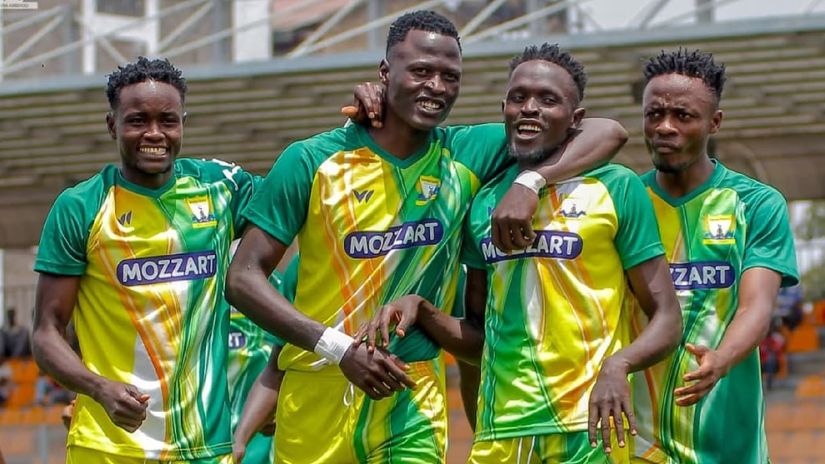
TACTICAL ANALYSIS: How Homeboyz edged Sofapaka despite limited possession
.jpg)
Reading Time: 5min | Sat. 04.10.25. | 20:12
Despite Sofapaka’s dominance in possession and territorial advantage, Homeboyz’ disciplined defensive structure carried the day
Kakamega Homeboyz earned their maiden victory of the season courtesy of a hard-fought 1–0 win over Sofapaka at Dandora Stadium in an FKF Premier League round three fixture.
Follow our WhatsApp channel for more news
Josephat Lopaga’s early fourth-minute goal, stemming from a precise John “Buba” Omondi long pass, was enough for the visitors to seal maximum points.
Despite Sofapaka’s dominance in possession and territorial advantage, Homeboyz’ disciplined defensive structure and direct transitions ensured they held on for the win, while also keeping a second successive clean sheet.
Tactical Set-Up and Starting Structures
Coach Ezekiel Akwana maintained his base 4-4-2 diamond shape for Homeboyz, starting Victor Kamungo in goal behind a back four of Charles Junior, Michael Otieno, Stephen Bonney, and Victor Odhiambo.
His midfield was arranged in a diamond structure, with Daniel Ng’ang’a anchoring, Donato Okello at the tip, Adrian Oloo on the left, and Japheth Lihanda on the right. Douglas Koech and Andrew Waswa led the line.
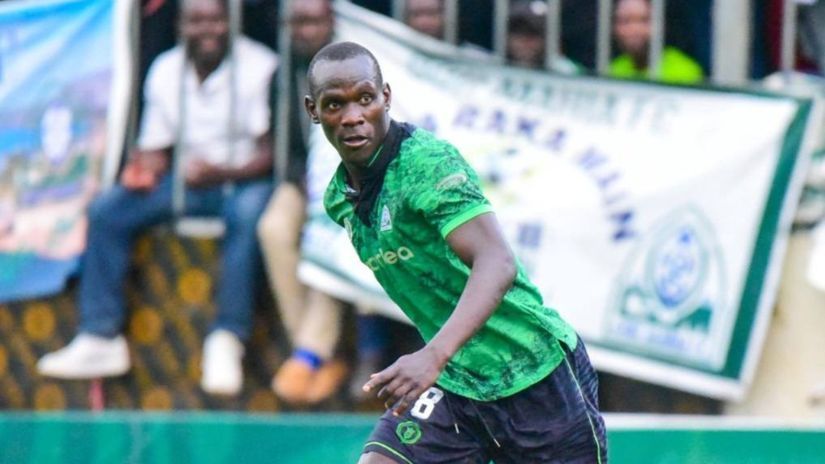
Homeboyz head coach Patrick Odhiambo, meanwhile, deviated from the 4-4-2 used in the previous match against Mara Sugar FC, opting for a 3-5-2 system.
Edwin Mukolwe started in goal, protected by a back three of Potipher Odhiambo, Salim Murunga, and Eugene Okoth.
The width was provided by wingbacks Bonface Onyango and John Omondi, while Rodgers Ouma, Glen Masava, and Hillary Otieno formed the midfield trio.
Moses Mudavadi partnered with Josephat Lopaga in attack.
Build-Up and Early Tactical Patterns
Both sides sought to build from the back, but their approaches differed.
For Homeboyz, the two outer centre-backs split wide while the central defender stepped into midfield, forming a temporary triangle in the first phase.
From there, they preferred vertical passes into the channels and half-spaces, using the physicality and pace of Lopaga and Mudavadi to threaten in behind.
It was through this pattern that the opening goal arrived.
In the fourth minute, Okoth and Omondi interchanged positions, with Omondi delivering a vertical long ball into the right half-space.
Lopaga timed his run perfectly, collected the pass, and calmly slotted past Mukolwe to give Homeboyz an early advantage.
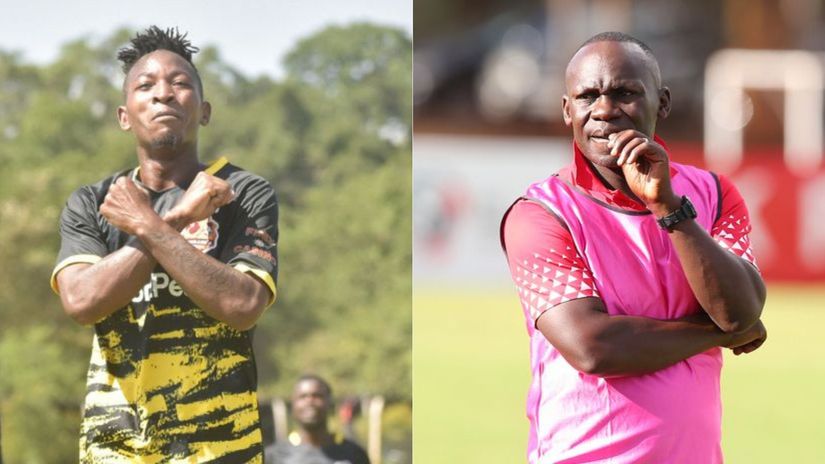
After that moment, the visitors struggled to play through Sofapaka’s organised press.
Sofapaka pressed high in a 4-4-2 block, with one striker closing down the ball carrier while the other cut off passing lanes into midfield.
Potipher Odhiambo’s attempts to step into midfield were often counterproductive, as he lacked composure under pressure, forcing Homeboyz to resort to aerial long balls that were easily recovered by Sofapaka’s back three.
Sofapaka’s Possession Structure and Midfield Superiority
In contrast, Sofapaka displayed a more fluid and controlled build-up approach.
Their centre-backs spread wide, with Okello (the holding midfielder) dropping between them to form a back three in possession.
This created a 3v2 numerical advantage against Homeboyz’ front two, enabling Sofapaka to progress the ball comfortably into midfield.
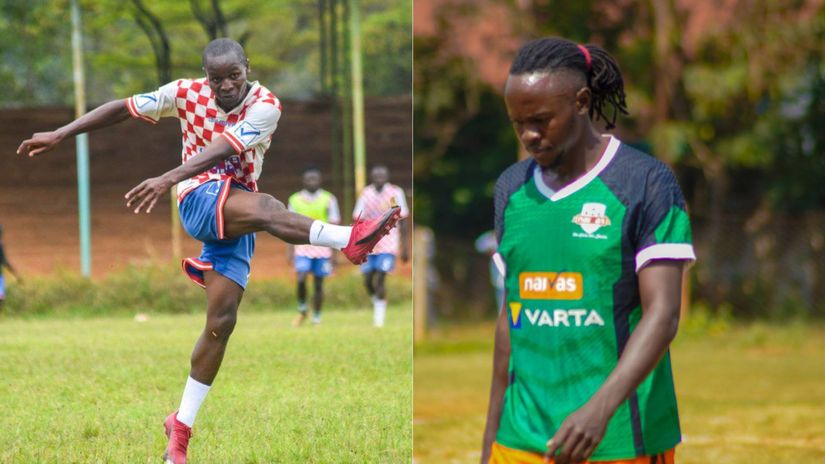
The key to Sofapaka’s dominance lay in how Lihanda and Oloo operated when the team had the ball.
Both started wide, stretching the Homeboyz defensive block.
Once they received possession, they drove inside with the ball, moving into the half-spaces—an action that forced Homeboyz’ midfielders into awkward defensive positions.
This inverted movement created confusion and space between the lines, as Homeboyz’s midfield struggled to track their runs.
It was from one such sequence that Sofapaka nearly equalised.
In the 39th minute, Lihanda received the ball wide on the right, cut inside, and slipped a precise through ball to Koech, whose composed finish was ruled out for offside.
The move highlighted Sofapaka’s coordinated spacing and the efficiency of their rotations in the final third.
Homeboyz’ Defensive Solidity and Second-Half Adaptations
After taking the lead, Homeboyz adjusted their priorities, emphasising compactness over possession.
Their 5-3-2 defensive block was narrow, forcing Sofapaka to play around rather than through them.
The wingbacks—Omondi and Onyango—remained conservative, rarely venturing forward, ensuring numerical stability at the back
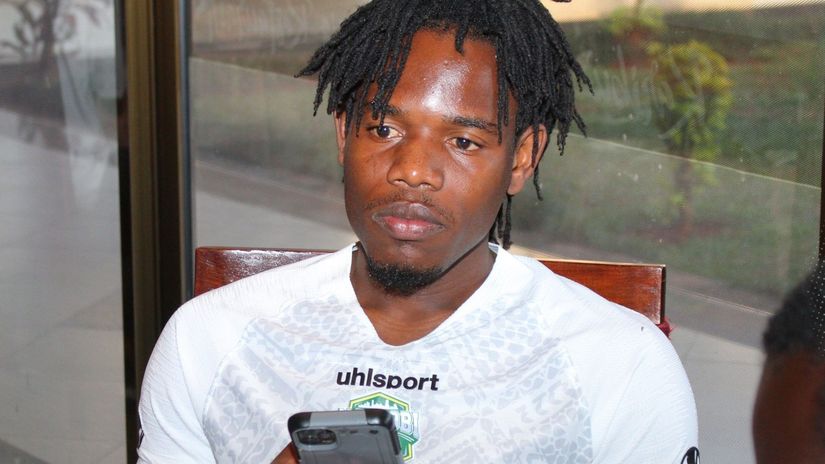
In the second half, coach Odhiambo introduced Oliver Majaka and Henry Omollo, with Otieno and Benson Mukhwana (who had replaced the injured Mudavadi earlier) making way.
Majaka’s calmness under pressure helped Homeboyz retain possession better, while Omollo’s directness and ability to take on defenders in 1v1 situations added a counter-attacking edge.
Despite these changes, Homeboyz continued to be second-best in midfield, with Sofapaka frequently finding free men between the lines.
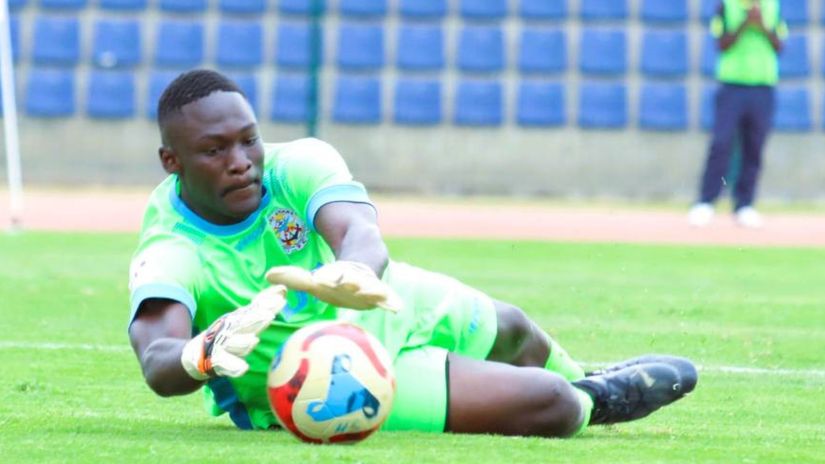
Homeboyz’ defensive concentration and positional discipline—especially from Bonney and Murunga—ensured that the danger was repeatedly snuffed out before it reached Kamungo in goal.
Sofapaka’s Late Push and Akwana’s Tactical Response
In search of an equaliser, Akwana made a triple substitution in the 76th minute, bringing on Roy Okal, Ronald Muchimba, and Ezekiel Namale for Oloo, Okello, and Waswa, respectively.
The personnel changes refreshed the attacking line but maintained the same 4-4-2 diamond structure.
Despite increasing territory and crossing into the box, Sofapaka lacked precision in the final third, and Homeboyz’ backline dealt effectively with aerial deliveries.
The visitors’ deep defensive block held firm, frustrating Sofapaka’s attempts to exploit the half-spaces that had been so influential earlier in the match.
Structure, Efficiency, and Tactical Discipline Decide It
This was a match decided by tactical efficiency and defensive organisation rather than possession dominance.
Sofapaka were the more progressive side, constructing play patiently and manipulating spaces effectively through the inverted runs of Lihanda and Oloo. They, however, lacked sharpness in the decisive moments.
Kakamega Homeboyz, on the other hand, combined early direct play with defensive resilience, executing their plan with precision.
Lopaga’s early goal provided the platform, and from there, their compact 5-3-2 block and conservative wingback play ensured they protected the lead to the end.
In summary, Homeboyz’ ability to maximise moments and minimise spaces proved the difference on the day—a tactical triumph rooted in discipline, efficiency, and structure.