


TACTICAL ANALYSIS: How Harambee Stars' inefficiencies in attack and transition defense proved costly


Reading Time: 6min | Sat. 23.08.25. | 11:33
McCarthy's side will leave with lessons about clinical finishing, managing transitions, and holding nerve when margins are razor-thin
Kenya’s CHAN 2024 journey ended in heartbreak as they bowed out to Madagascar after a 1-1 draw through 120 minutes and a 4-3 loss in the penalty shootout.
It was a dramatic, tightly-contested quarterfinal that felt more like a chess match than a football game-defined by high energy, fluid systems, tactical adaptation, and two teams clashing in style and mentality.
Kenya’s historic debut in CHAN ended in tears, but not without leaving tactical fingerprints all over the field.
Follow our WhatsApp channel for more news
Kenya set up in a flexible 4-3-3 formation that often shifted into a 4-2-3-1/4-4-2.
Bryne Omondi was in goal, with Lewis Bandi, Abud Omar, Michael Kibwage, and Alphonce Omija forming the backline.
Manzur Okwaro and Alpha Onyango played as the double pivot in midfield, supporting wide players Ben Stanley and Boniface Muchiri.
Marvin Nabwire operated behind striker Ryan Ogam in the central attacking role.
On the other hand, Madagascar lined up in a 4-5-1 formation that transitioned into a 4-1-4-1 during different phases of play.
Michel Toldo started in goal, with Radoniaina at right back and Bono on the left.
Tony and Toky formed the central defensive pairing. In midfield, Luc operated on the right flank, while Nicholas, Lalaina, and Dax played centrally as pivots with both defensive and transitional responsibilities.
Gregass featured on the left wing, supporting Fenohasina, who led the line as the lone striker.
Kenya started with verve and aggression, dictated by a high-octane pressing system that had Madagascar scrambling in the opening quarter-hour.
In those early moments, Kenya demonstrated their tactical intent clearly: aggressive high press, wing overloads, and long diagonal balls designed to catch Madagascar’s midfield shape off-balance.
The first signs came as early as the third minute, when left-back Abud tested Madagascar’s keeper Toldo from a set-piece.
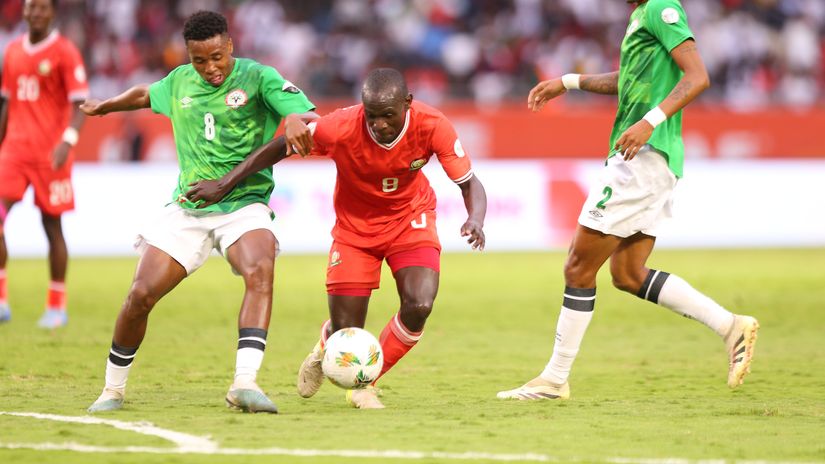
Set-pieces, though initially lacking polish, became an essential part of Kenya’s threat, underscoring a key principle in their tactical blueprint.
The backline’s approach was asymmetrical.
Left-back Abud surged forward consistently, while Bandi the right-back stayed more conservative, building a lopsided attacking shape that opened space on the left.
Ben Stanley often dropped deep to help circulate possession and create overloads, with Muchiri and Nabwire making slashing runs on and off the ball.
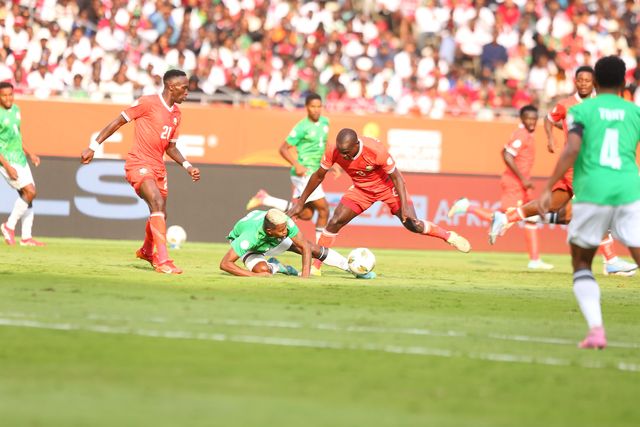
The transitions were swift-Kenya often bypassed central buildup by launching long diagonals from Kibwage to the flanks, especially targeting Muchiri to stretch Madagascar’s shape.
Out of possession, Kenya settled into a 4-4-2 mid-block, with Ogam and Marvin leading the line.
This block compacted central channels and restricted Madagascar’s progression, forcing them to circulate wide or backwards.
Madagascar, in contrast, stuck to their identity-a slow, methodical possession-based system relying on pivots like Dax. Their goal was to unpick spaces in Kenya’s structure, but in the opening half hour, they were limited to lateral passing and brief flashes in transition.
By the 30-minute mark, Kenya had asserted a clear rhythm.
The full-backs overlapped selectively, supported by midfielders Manzur and Alpha, while the wingers constantly rotated sides to target mismatches. A standout pattern was Abud inverting into midfield, with Alpha covering the vacated left channel - a sophisticated rotational structure that briefly disrupted Madagascar’s marking scheme.
These sequences were precise, calculated, and a testament to Kenya’s tactical evolution under pressure. Still, the final action-the crucial through-ball, the accurate cutback, the clinical finish-never arrived.
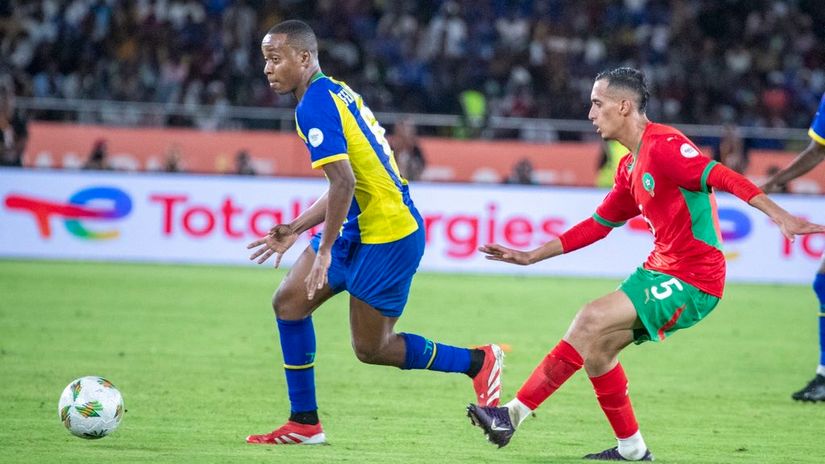
Despite four shots to Madagascar’s one by halftime, Kenya went into the break goalless. Their dominance, especially in possession and territory, was undermined by poor spacing in the final third and rushed decisions around the box.
Madagascar’s defensive line, mostly retreating into a compact low block, was able to keep chances manageable while remaining composed under pressure. Kenya’s set-pieces, while threatening, found no final reward.
The breakthrough came quickly in the second half. In the 47th minute, a well-earned free-kick by Muchiri on the right, which he delivered into the box, saw Omija rising to nod it home.
Perfect timing, perfect header!
— CAF_Online (@CAF_Online) August 22, 2025
Omija claims the @1xBet_Eng #GoalOfTheDay. ⚽️🇰🇪
Purchase your #TotalEnergiesCHAN2024 tickets here 👉 https://t.co/awXbLaBpH9 pic.twitter.com/8D1HsRUJR5
The marking confusion in Madagascar’s hybrid system (mixing zonal and man-marking) was ruthlessly exposed. With the goal, Kenya's pressing intensified, feeding off the energy of the crowd, and looking to close the game early.
Yet, as so often happens in tournament football, one moment of lapse turned the game. Madagascar began probing with more conviction.
They adjusted by bringing on Monitrisa for Dax, adding urgency and depth to their midfield. Kenya, while pushing high, left more space behind, and in the 68th minute, a hopeful ball into the area struck Bandi’s hand. Fenohasina converted the penalty, leveling the game against the run of play. It was a sucker punch - tactically avoidable, emotionally crushing.
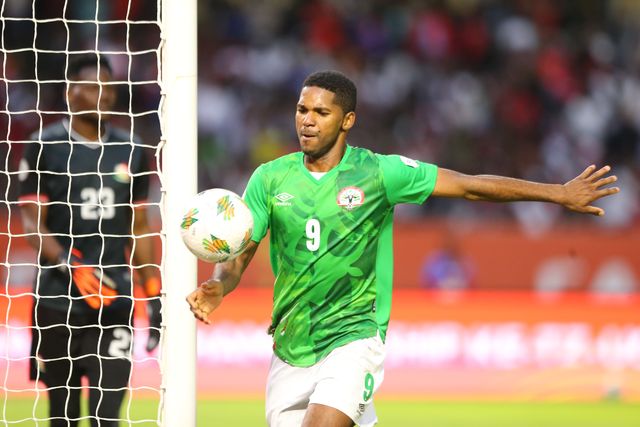
The substitutions came quickly as Kenya sought to recalibrate.
Ogam made way for Odongo, and Muchiri was replaced by Ondimo. These changes recharged the flanks and created new attacking channels.
Edward Omondi, in particular, reinvigorated the right side with clever off-ball movement and one-touch combinations with Bandi and Marvin. The emphasis on width remained, as Kenya continued to build attacks through wide overloads and cutbacks.
However, as the game entered its final minutes, Madagascar’s defensive shape firmed up. Toldo’s save from Marvin in stoppage time - diving sharply to his left after a second ball from a corner - was emblematic of the night: Kenya doing enough to create danger, but not enough to finish it.
.jpg)
Extra time introduced further tactical shifts.
Kenya morphed into a 5-2-3, allowing flexibility and better coverage on wide transitions. Abud slotted into a left center-back role, with Siraj as left wing-back and Sakari replacing Bandi on the right.
Kibwage marshaled the middle while Omija and Abud tucked in, forming a sturdy back three. In midfield, Alpha and Marvin rotated between holding and progressing roles, with Ondimo and Odongo pushing high alongside Masoud, now the central striker.
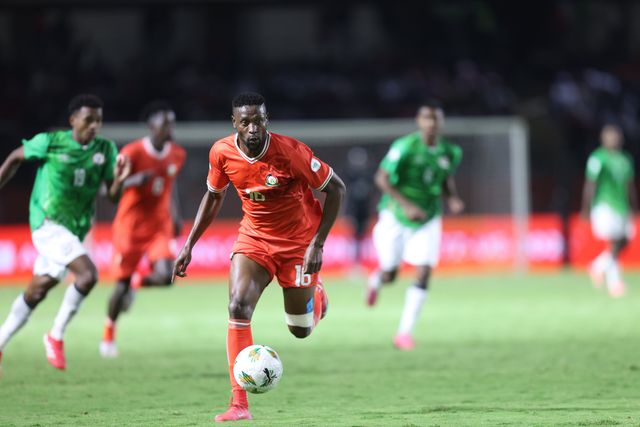
Fatigue was evident on both sides, but Kenya still carved moments-perhaps the biggest came after a long throw-in that found its way past Toldo, only for a dramatic goal-line clearance by Radoniaina to deny them a winner.
Defensively, Kenya were resolute, using the extra center-back to block wide transitions and manage Madagascar’s short corners. But with both sides visibly spent, the match inevitably drifted toward penalties.
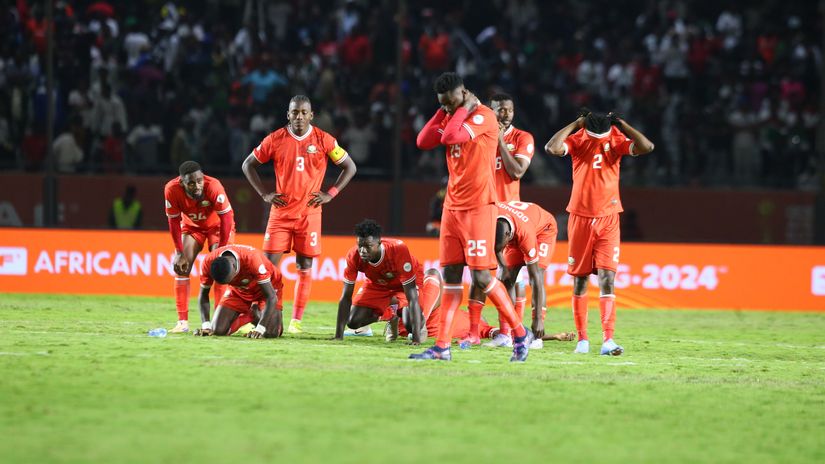
Kenya’s early penalties were confident: Siraj, Sakari, and Sylvester Owino all converted. Byrne’s save from Madagascar’s CB, Toky gave brief hope. But Kibwage’s attempt was saved by Toldo, who dived to his left.
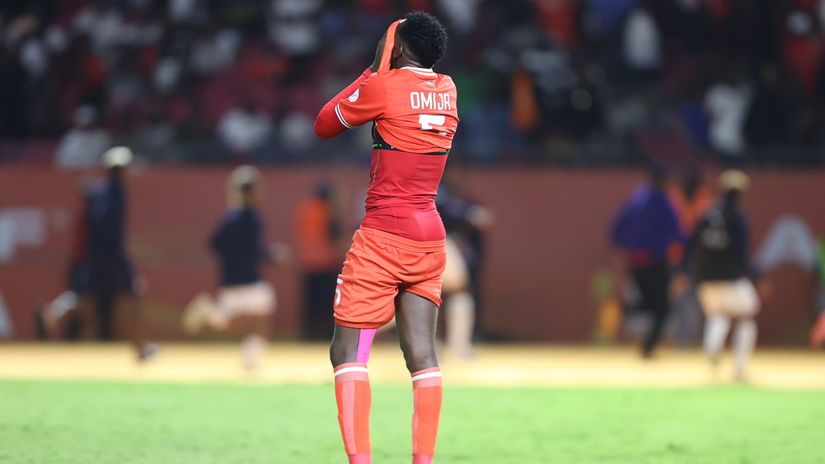
After Toky Niaina scored for Madagascar, it all came down to Omija - the hero of regulation - now facing the decisive moment. He missed, sending his shot wide of the target, and Madagascar advanced to the semifinals.
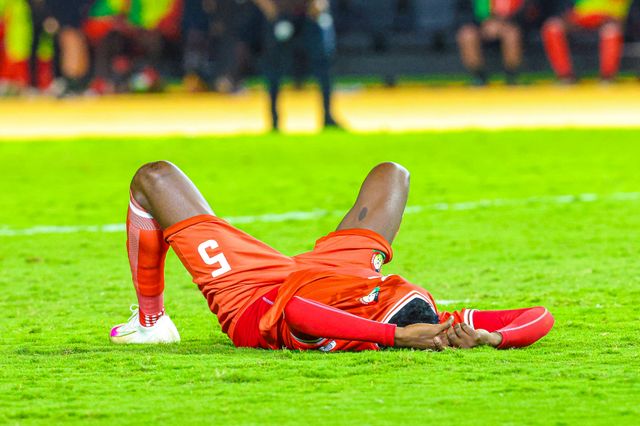
Kenya’s exit will hurt, not just for the loss, but for the way it happened.
Tactically, the Harambee Stars played with maturity: their pressing was coordinated, their wing rotations sharp, and their set-pieces threatening. The 4-4-2 out of possession block limited Madagascar’s central build-up, while in possession, their wide play and direct balls consistently created danger.
.jpg)
Yet, transition defense - particularly after pressing breaks - and inefficiency in the final third proved costly. Madagascar, for their part, executed a smart game: patient, compact, and opportunistic in key moments. Their hybrid defensive scheme, bolstered by nerves in the shootout, saw them through.
In the end, Kenya left CHAN 2024 with pride, having announced themselves as a rising tactical force in African football. But they also leave with lessons-about clinical finishing, managing transitions, and holding nerve when margins are razor-thin. A painful exit, but one that might just be the foundation of a brighter future.