


TACTICAL ANALYSIS: How Egypt broke down Benin's sturdy resilience to book quarters ticket


Reading Time: 6min | Tue. 06.01.26. | 20:06
From the opening whistle to the final counter-attacking strike in stoppage time, the match evolved through clear phases that highlighted Egypt’s patience in possession, Benin’s defensive resilience, and the importance of in-game management under pressure
Egypt’s dramatic 3-1 victory over Benin was a contest defined by contrasting game models, structural discipline, and decisive moments driven by tactical adaptations rather than sustained dominance.
From the opening whistle to the final counter-attacking strike in stoppage time, the match evolved through clear phases that highlighted Egypt’s patience in possession, Benin’s defensive resilience, and the importance of in-game management under pressure.
Hossam Hassan set Egypt up in a 4-2-1-3 organisational structure, prioritising control through the centre while allowing flexibility in wide areas.
Mohamed El Shanawy anchored the side in goal, protected by a back four of Hany Mohamed and Hamdy Mohamed as full-backs, with Ibrahim Yasser partnering Rami Rabia at centre-back.
In midfield, Hamdi Fathy operated as a deep-lying pivot at number six, constantly positioning himself to receive during the first phase of build-up.
Ahead of him, Marwan Attia and Adel Ibrahim functioned as dual number eights, tasked with balancing progression and defensive security during opposition transitions.
In the front line, Egypt deployed a fluid attacking trio. Mohamed Salah held the right wing, frequently narrowing into the right half-space, while Trezeguet operated from the left with a more traditional winger profile.
Omar Marmoush was used as a false nine, dropping between the lines to disrupt Benin’s centre-backs and create overloads in midfield zones.
Benin mirrored Egypt with a 4-3-3 in possession, but their out-of-possession approach quickly revealed their true intention.
Marcel Dandjinou started in goal behind a defensive line of Tamimou Ouorou, Yohan Roche, Olivier Verdon, and Tijani Mohamed.
In midfield, Sessègnon D’Almeida and Imourane Hassane formed a double pivot, while Dodo Dokou operated higher between the lines.
Tosin Aiyegun led the line with a clear mandate to provide hold-up play, flanked by Rodolfo Aloko on the right and Olaitan Junior on the left.
From the early stages, Benin dropped into a 5-3-2 out-of-possession mid-block, with one winger tucking into the back line to deny central corridors.
Their defensive compactness forced Egypt to circulate the ball patiently, attempting to lure Benin out of their low defensive shell before accelerating the tempo.
Egypt’s build-up relied heavily on positional discipline.
Hamdi Fathy regularly dropped between the centre-backs, forming a temporary back three, while Marwan Attia slid toward the right or left side to offer a progressive angle.
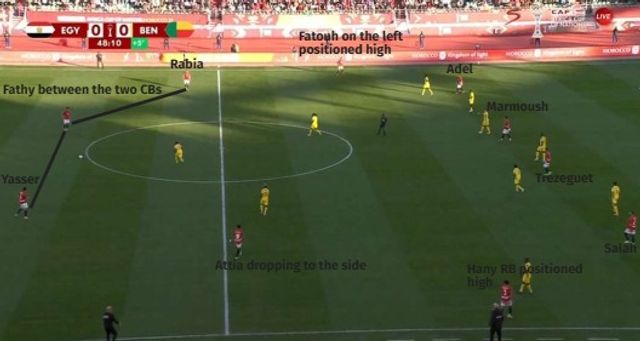
This allowed both full-backs to push high and wide, effectively acting as auxiliary wingers.
Despite this territorial control, Egypt initially struggled to break Benin’s compact shape, which remained vertically and horizontally tight.
Benin’s attacking threat came almost exclusively through direct transitions. Long balls were aimed toward Tosin Aiyegun, who frequently drifted into the half-spaces to contest aerial duels and pull Egypt’s defenders out of shape.
When possession was lost, Benin counter-pressed aggressively in short bursts, attempting to force turnovers and immediately exploit space behind Egypt’s advanced full-backs.
The first major chance arrived in the eighth minute when Egypt successfully broke Benin’s midfield line.
Salah, having dropped into a deeper midfield pocket, threaded a through ball into Marmoush’s forward run, sending him clean through on goal.
Dandjinou’s save in the one-v-one situation was a critical moment, reinforcing Benin’s belief in their defensive approach.
As the half progressed, Benin increasingly relied on long diagonal balls into wide channels, targeting Aloko’s and Olaitan’s runs to chase beyond Egypt’s full-backs.
Egypt, meanwhile, remained composed in possession, using late midfield runs - particularly from Adel Ibrahim - to add numbers into the box. Crosses from Hamdy Mohamed were frequent, but Benin’s box defending remained disciplined and aggressive.
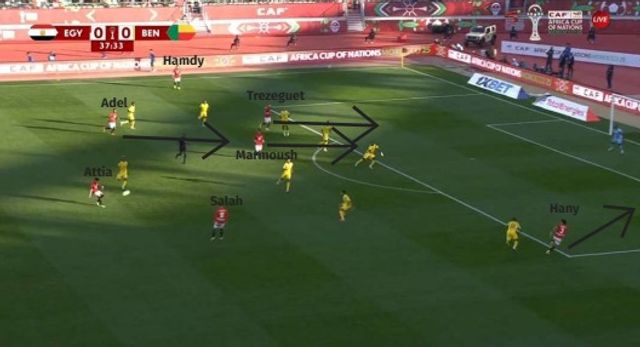 Egypt exploited late box runs from Adel, with Salah and Marmoush dropping inside to free the full-backs for crosses and cutbacks, driven by Attia’s progressive distribution from deep.
A forced change disrupted Benin’s structure in the 31st minute when Tosin Aiyegun was injured and replaced by Dossou. This prompted a shift into a 5-4-1 mid-to-low block, further prioritising defensive solidity.
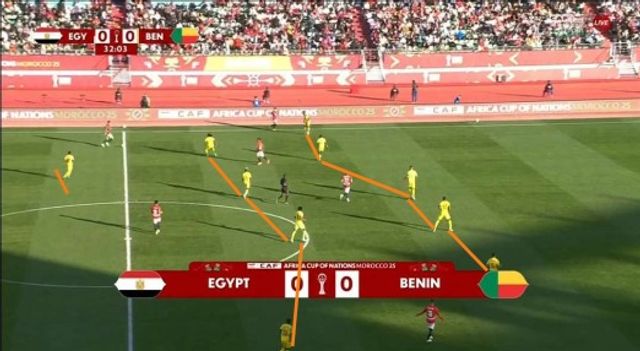 Benin’s compact 5-4-1 provided defensive stability, tight spacing, and clear reference points across the block.
Egypt suffered their own setback just before half-time, as Hamdy Mohamed was forced off injured, with Ahmed Fatou introduced at left-back. Despite the disruption, Egypt maintained control through Fathy and Attia, whose positioning continued to stabilise the build-up.
The second half opened with Egypt adopting a 5-4-1 out-of-possession shape, closing central lanes and forcing Benin wide.
However, Benin responded with a man-oriented high press, aggressively stepping onto Egypt’s first line to disrupt rhythm and force longer passes.
Adel Ibrahim became increasingly influential, making late box arrivals from the left, while Trezeguet drifted into the right half-space to overload combinations with Salah and Hany Mohamed.
From a corner in the 55th minute, Egypt came inches away from scoring when Rami Rabia’s point-blank effort was denied by another outstanding Dandjinou save, with the right-back Tamimou clearing off the line.
Recognising the need for greater creativity, Egypt made a decisive double substitution in the 58th minute, introducing Zizo and Emam Ashour for the injured Trezeguet and Adel Ibrahim.
The change altered Egypt’s attacking dynamics immediately, adding vertical passing, third-man runs, and improved tempo between the lines.
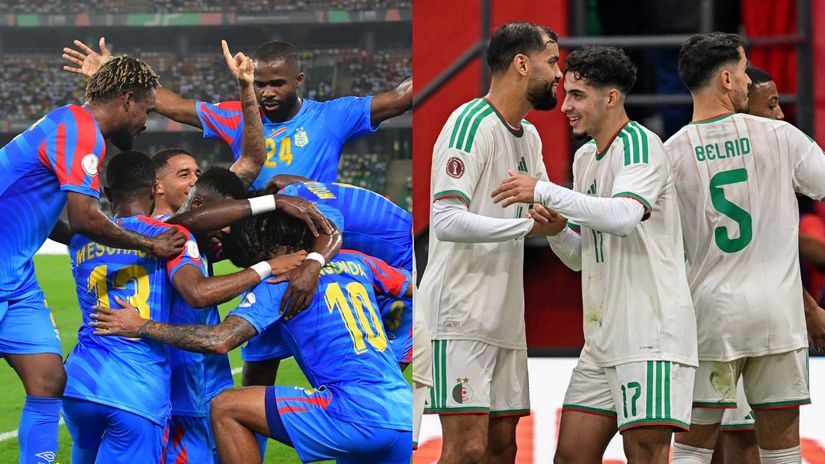
With increased numbers committed forward, including Rabia stepping into the final third during sustained attacks, Egypt finally broke the deadlock in the 69th minute.
A well-executed third-man combination on the right flank between Salah and Hany Mohamed freed space for a cutback, which Marwan Attia met from the edge of the box with a thunderous strike into the top corner. The goal was a reward for Egypt’s positional discipline and patience.
Benin reacted by pushing higher and funnelling attacks through the right flank, with Aloko Rodolfo becoming their primary outlet.
Egypt dropped into a compact low block, looking to exploit transitions through Salah’s runs into open channels.
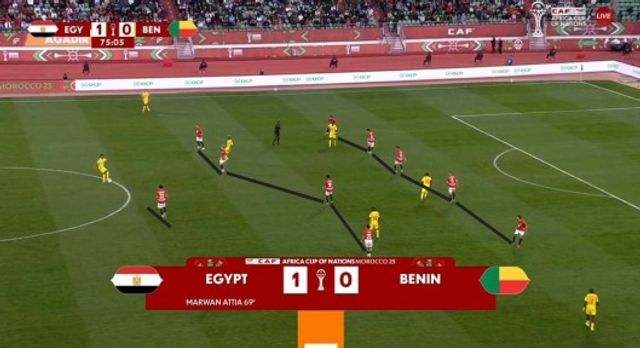 Egypt’s 5-4-1 out-of-possession shape focused on central control, a solid defensive line, and collective discipline.
Despite Egypt’s solid defence, Benin equalised in the 82nd minute. A speculative delivery from Olaitan deflected awkwardly, forcing a save from El Shanawy, but Dossou reacted quickest to convert the rebound, levelling the score at 1-1.
In added time, Egypt showed greater composure. Zizo shifted to the left flank but frequently dropped into central midfield, allowing Egypt to build in a 3-2-5 attacking structure, with Ashour joining Attia in midfield and both full-backs stationed high. Diagonal switches and long balls from deep targeted Salah’s positioning on the right.
From a short corner in the 97th minute, Attia delivered from the left half-space, and Ibrahim Yasser rose above the defence to head powerfully into the top corner, restoring Egypt’s lead.
With Benin pushing numbers forward, Egypt held a high defensive line while remaining compact between units.
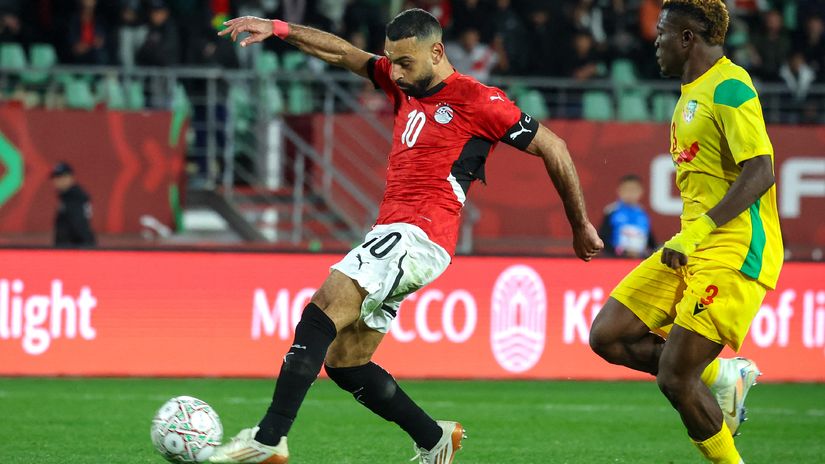
The contest was sealed in the final moments when Egypt executed a textbook counter-attack. Zizo released Salah through the channel in a one-v-one situation, and the captain calmly lifted the ball over the advancing goalkeeper to score his tenth AFCON goal, securing a 3-1 victory.
Ultimately, Egypt’s success was rooted in structural flexibility, midfield control, and decisive in-game adjustments. Benin’s organisation and resilience tested Egypt throughout, but the Pharaohs’ superior depth, patience in possession, and execution in key moments proved decisive in a match that was as much a tactical battle as it was a test of mentality.