


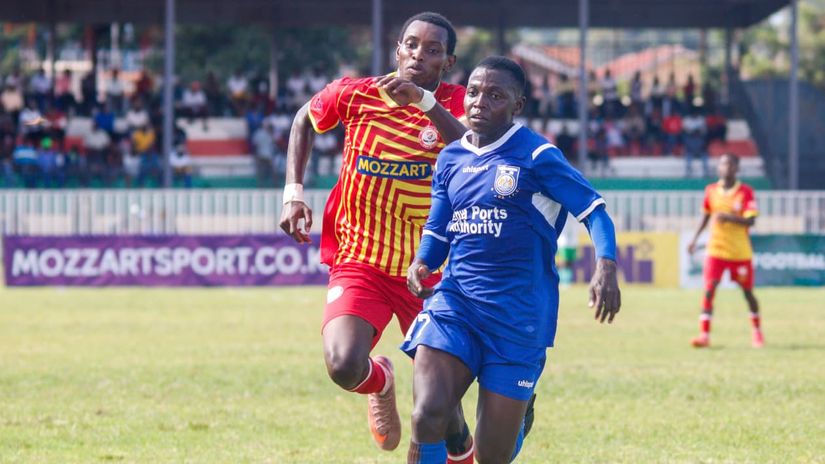
TACTICAL ANALYSIS: How Bandari sank 3K FC to advance to Mozzart Bet Cup quarters






Reading Time: 5min | Mon. 13.04.26. | 21:38
While both teams started with similar base formations, the match ultimately leaned in Bandari’s favor due to their clinical execution, effective use of wide overloads, and control of transitions
The clash between 3K FC and Bandari unfolded as a tactically layered encounter, where initial balance in structure gradually gave way to the Dockers' efficiency in key moments and superior game management.
Download Our MozzartSport App For More News
While both teams started with similar base formations, the match ultimately leaned in Bandari’s favour due to their clinical execution, effective use of wide overloads, and control of transitions.
Despite 3K FC enjoying periods of dominance - especially in the second half - the game was shaped early on by Bandari’s ability to capitalise on structural weaknesses and moments of disorganisation.
Both teams lined up in identical 4-3-3 base formations, yet their interpretations and player roles created marked asymmetry on the pitch.
3K FC featured Peter Satieli in goal, protected by a back four of Bernard Ngetich at right-back, Michael Amwayi at left-back, and a central defensive pair of Kendrick Kipkirui alongside Daniel Wanjala.
Samuel Wahinya anchored as the primary holding midfielder, supported by Timothy Isuza and Ian Owiti in central midfield, while Ronald Karwera and Mark Kithome operated as right and left wingers respectively, feeding lone striker Oscar Juma upfront.
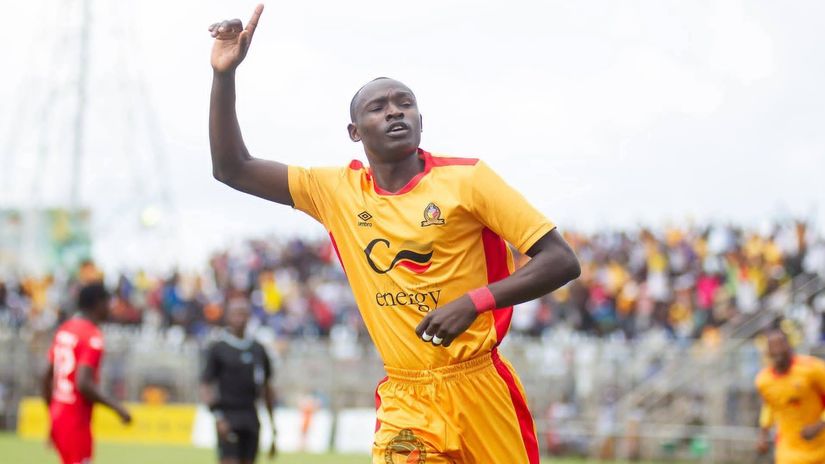
This setup aimed for balanced width and central solidity but often appeared reactive.
Bandari mirrored the 4-3-3 shape with Allaine Ngeleka between the sticks, Joseph Onyango at right-back,
Erickson Mulu at left-back, and central defenders Shariff Majabe partnering Brian Odera.
The midfield trio comprised Said Tsuma, Clifford Otieno, and William Wadri, offering a blend of defensive screening and progressive passing, while the attacking trio of Abdallah Hassan, Darius Msagha, and Amza Ngamchiya provided dynamic movement and goal threat from wide and central channels.
This asymmetry gave Bandari a numerical advantage during build-up, particularly against 3K FC’s first line of pressure.
Their use of long balls from the goalkeeper targeting Amza Ngamchiya added another dimension, bypassing midfield congestion and directly engaging in aerial duels.
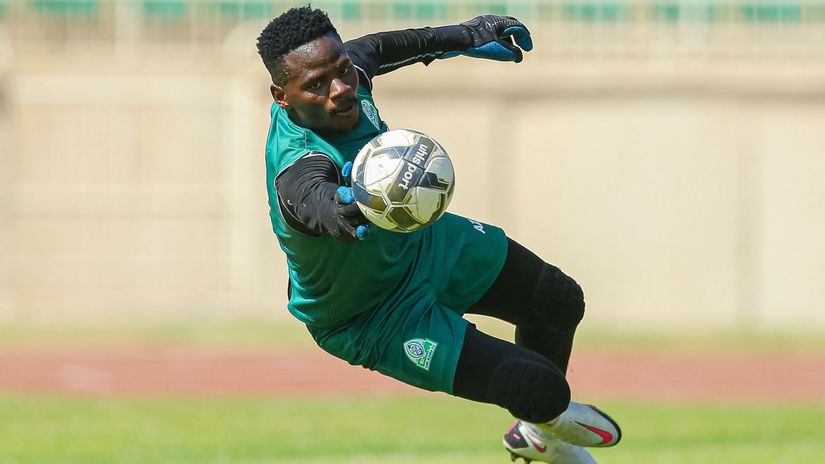
This approach disrupted 3K FC’s defensive shape and created second-ball situations where Bandari’s midfielders could step in and regain control.
Defensively, 3K FC aimed to remain compact but showed vulnerabilities in wide areas, especially when their full-backs pushed forward.
Their pressing lacked consistent triggers, allowing Bandari time to settle into their build-up shape. Bandari, on the other hand, displayed a more proactive defensive scheme, initiating high presses around the 30-minute mark.
.jpg)
Their pressing triggers were well-defined - particularly when 3K attempted to build from the back - forcing hurried decisions and occasional turnovers.
The first key moment came in the 21st minute, highlighting Bandari’s set-piece threat. A free-kick delivery from Darius Msagha found Clifford Otieno unmarked in the box, exposing 3K FC’s poor marking structure.
This goal not only gave Bandari the lead but also reinforced the importance of dead-ball situations in a tightly contested tactical battle.
In open play, Bandari’s attacking patterns were centred on wide overloads and dynamic rotations. William Wadri frequently drifted into wide areas, combining with full-backs and the winger to create 3v2 situations against 3K’s full-backs.
These overloads stretched 3K FC horizontally, opening channels for crosses and cutbacks.
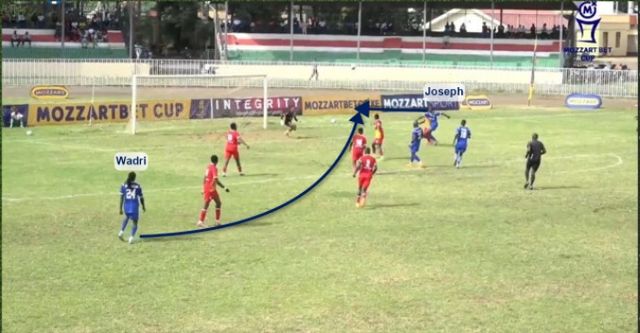
The second goal in the 35th minute perfectly illustrated this. A transition initiated by Ngamchiya dropping deep allowed Wadri to receive on the left, where he delivered a cross that found right-back Joseph Onyango arriving late into the box - an example of effective weak-side exploitation and timing of runs.
3K FC, meanwhile, focused heavily on wide progression.
Their left flank became a primary outlet, with the left centre-back stepping forward to play progressive passes and release the overlapping full-back.
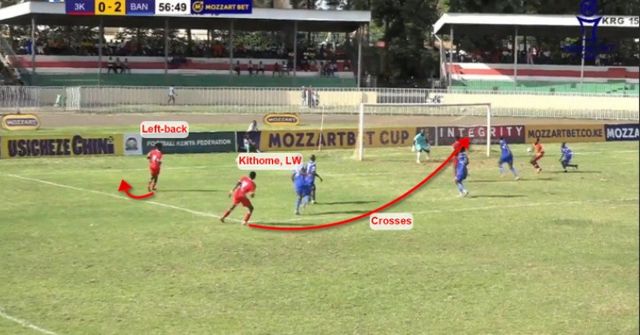
Kithome was particularly active, making runs in behind and delivering crosses, but the lack of a clinical presence in the box limited their effectiveness.
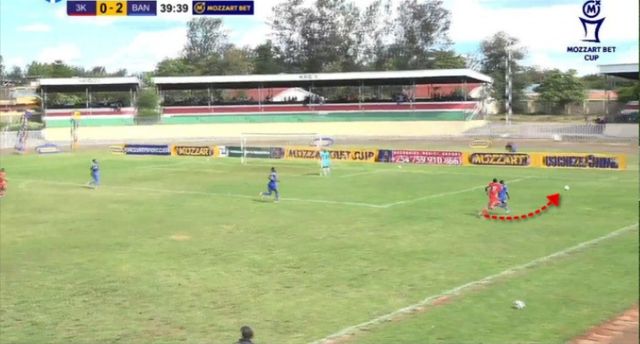
Their attacking strategy often bypassed central zones, which reduced their ability to create high-quality chances through combination play.
Bandari’s defensive structure adapted well to these patterns. Their backline remained compact, and their midfield tracked runners effectively, ensuring that crosses were either cleared or contested.
Their rest-defence was also well-organised, with sufficient numbers positioned to deal with counter-attacks, allowing them to maintain territorial control even when committing players forward.
The second half saw a shift in momentum, with 3K FC increasing their attacking intensity.
Tactical adjustments, including the introduction of Weston Njue and David Muhoro, added fresh energy and altered their attacking dynamics.
Muhoro’s presence provided a more physical focal point, while Njue contributed to more dynamic movement in wide areas.
Additionally, the use of decoy overlapping runs from the left-back created space for Kithome to deliver more crosses.
3K FC also began to bypass midfield more directly, using long diagonals to switch play and exploit width.
This approach helped them dominate possession and territory in the second half, but their lack of precision in the final third remained a critical issue.
Poor decision-making, mistimed runs, and ineffective finishing meant that despite their improved attacking structure, they failed to convert pressure into goals.

Bandari, recognising the shift, transitioned into a more conservative approach. Their out-of-possession shape became more compact, focusing on protecting central areas and forcing 3K FC wide.
They managed the game effectively by slowing down the tempo, circulating possession when possible, and maintaining defensive discipline. Their ability to absorb pressure while limiting clear-cut chances highlighted strong game management.
Bandari successfully exploited wide channels and half-spaces, particularly on the left flank.

Their rotations and overloads in these areas created consistent threats. Conversely, 3K FC struggled to access central zones effectively, often resorting to predictable wide play.
Their inability to dominate key zones limited their creativity and reduced their attacking unpredictability.
Transitions played a crucial role in shaping the match. Bandari’s second goal came from a well-executed transition, demonstrating their ability to quickly shift from defense to attack.
Their counterpressure also helped them regain possession quickly after turnovers, preventing 3K FC from launching effective counters. 3K FC, while dangerous in transitions early on, became more predictable as the game progressed, relying heavily on crosses rather than varied attacking patterns.
Defensively, both teams had moments of solidity, but Bandari’s structure proved more resilient. Their compactness, effective marking, and disciplined positioning allowed them to withstand sustained pressure. 3K FC’s defensive lapses - particularly in set-pieces and tracking late runs - proved costly.
The match was defined by Bandari’s tactical efficiency and 3K FC’s lack of cutting edge.
While both teams showed clear structural identities, Bandari’s ability to exploit wide overloads, capitalise on set-pieces, and manage transitions gave them a decisive advantage.
3K FC’s second-half dominance highlighted their potential, but without clinical execution and better central progression, their efforts fell short.
Ultimately, Bandari’s disciplined approach and strategic clarity ensured they controlled key moments and secured a deserved result.