



Kenyan data analyst explains late capitulation by African teams at FIFA World Cup
.jpeg)






Reading Time: 4min | Thu. 09.07.26. | 20:12
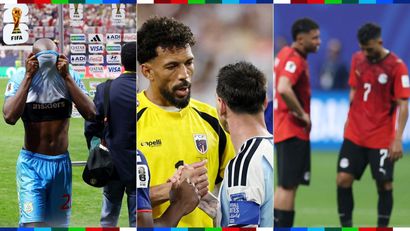
One after another, African teams were eliminated, many after conceding decisive goals in the dying minutes of regulation time or extra time
A record-breaking group stage suggested that Africa was finally ready to rewrite its FIFA World Cup story.
Download our Mozzart Sport app for more news
Nine African nations reached the knockout rounds of the expanded 2026 tournament, the highest number ever from the continent, raising expectations that multiple teams could make the quarter-finals and perhaps even challenge for the latter stages.
Instead, the promise of a historic campaign unravelled familiarly.

One after another, African teams were eliminated, many after conceding decisive goals in the dying minutes of regulation time or extra time.
South Africa fell in the 91st minute against Canada, the Ivory Coast conceded an 86th-minute winner to Norway, DR Congo were beaten by an 86th-minute strike from England, Senegal lost in the 125th minute to Belgium, Cape Verde succumbed in the 111th minute against Argentina, while Egypt's hopes were ended by a 92nd-minute winner in their Round of 16 defeat to Argentina.
The recurring pattern has prompted questions over why teams capable of matching some of the world's strongest sides for long periods repeatedly failed to see out matches.
To answer this, Mozzart Sport caught up with Kenyan football data analyst Jerome Onyain of DC Analytics, and as it turns out, the answer lies in a combination of physical conditioning, mentality, and game management.
"I could attribute it more to mental plus fitness edge at the end. Most of those teams (African nations) matched them from minute one to around 70 or 75. The shapes were good off the ball, and on it, the fight was there.

But European and South American squads just rotated better. They had fresh legs off the bench and having experience in closing games made the difference in those final moments,” Onyain told Mozzart Sport.

Africa's performances throughout the tournament showed significant progress compared to previous World Cups.
Several teams demonstrated tactical discipline, organised defensive structures, and confidence in possession against elite opposition. For large spells of their knockout matches, many African sides were either matching or outperforming their opponents.
However, Onyain believes the final stages exposed the difference between competing and consistently winning at the highest level.
As the intensity dropped during the closing stages, many African teams struggled to maintain the same pressing levels and attacking intent that had defined their earlier performances.
Their opponents, meanwhile, were often able to introduce experienced substitutes capable of sustaining the tempo while managing crucial moments more effectively.
The analyst also pointed to the importance of squad depth, arguing that the quality available from the bench increasingly decides knockout matches.
.jpg)
While many African starting line-ups proved capable of competing with Europe and South America's best, the replacements often could not provide the same energy or tactical balance during the decisive final minutes.
Onyain noted that not every African elimination followed the same script.
"Across those African teams knocked out in those final moments of matches, we only had two exceptions: Ghana and Algeria. They didn't even get to the late goal heartbreak stage. Both were dominated from start to finish for large spells of their matches.
No control, no real chances. Just outplayed. Ghana finished their game against Colombia without even a single shot on target,” he said.
For the remaining teams, however, the similarities were striking.
Instead of continuing to control possession after taking the lead or remaining level, many retreated into deep defensive blocks, allowing sustained pressure from opponents.
That change in approach often resulted in increased crosses into the penalty area, second-ball situations, and defensive lapses that ultimately proved costly.
Onyain believes Africa's next step is not necessarily improving technical quality, but becoming better at managing games when the pressure is at its highest.
"But Africa showed we belong there at the top. Nine teams in the knockouts prove that. But to go further, we need two things. Kill games earlier. We can't keep waiting.
Better game management and bench depth to survive those last 15 minutes. Maintain the same momentum across the whole game, the same attacking patterns, the same intent.
Don't sit behind and invite pressure toward ourselves. Have the ball, control the tempo, and starve the opponent off it,” he argued.
He believes African teams should look to successful possession-based sides for inspiration when protecting leads.
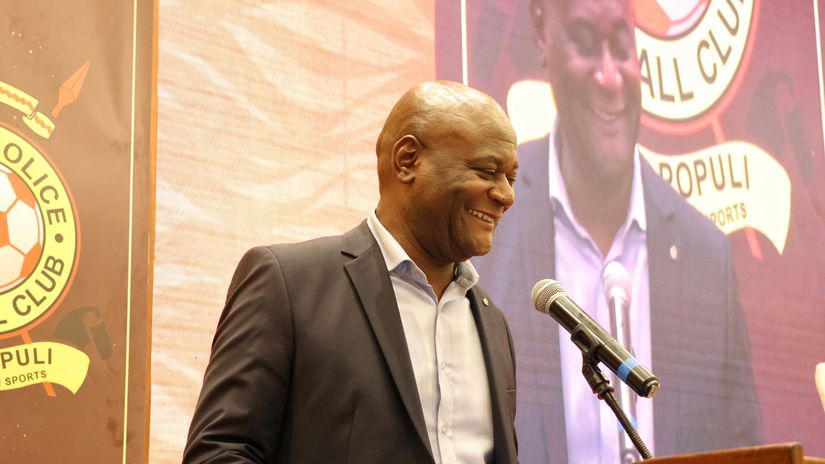
“We're not far off. It's just fine margins now. Just like Spain does. The best way to defend is to attack,” he concluded.
The final African team remaining in the competition, Morocco, will face France in the quarterfinal slated for Thursday, 9 July at 2300 hours.