


EPO claims yet another athlete as Chelangat is served





.jpg)

Reading Time: 2min | Thu. 22.05.25. | 12:56
Administration of synthetic erythropoietin leads to the increased formation of erythrocytes that transport oxygen from the lung via the blood circulation to the tissues
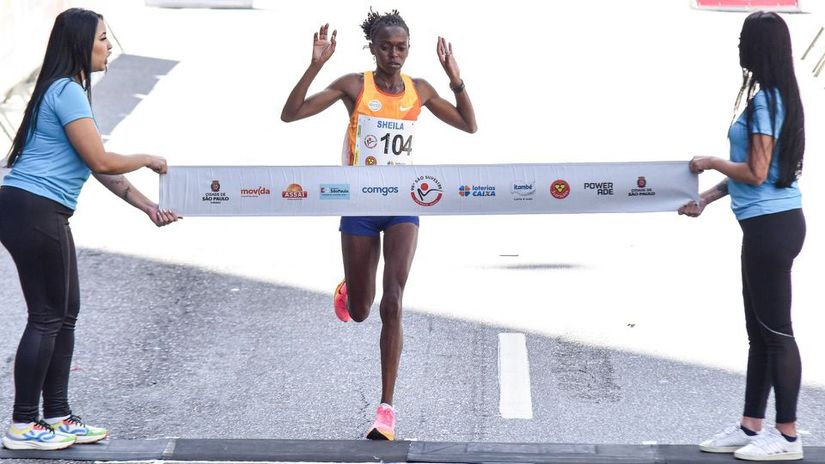
Istanbul half-marathon silver medalist Sheila Chelangat is the latest to bite the EPO dust as Kenya continues to grapple with a doping menace that threatens the country’s athletics fabric.
Follow our WhatsApp channel for more news
Notice of Allegation, according to the Athletics Integrity Unit (AIU), was issued on Tuesday, 20 May for the Presence/Use of a Prohibited Substance Erythropoietin (EPO). She is the third Kenyan to be provisionally suspended this year by the AIU.
EPO has been a thorn in the country’s doping fight. A natural hormone produced by the kidneys that stimulates the production of red blood cells (erythrocytes) in the bone marrow, EPO’s ultimate effect is an increase in exercise endurance and a reduction of recovery time.
The 27-year-old has raced twice this year, finishing second in the Bank of China Hong Kong-Zhuhai-Macao Bridge Half Marathon on 5 January, won by 21-year-old Grace Loibach in a new course record of 1:07.56. She was second in Istanbul, clocking 1:06:13 to finish behind compatriot Miriam Chebet.

How does EPO work?
A reduced supply of oxygen to the body (e.g. when at high altitudes) triggers the production of EPO. EPO is distributed to the body through the blood vessels and stimulates stem cells residing in the red bone marrow to transform into red blood cells (erythrocytes). The maturation of stem cells in the bone marrow via young red blood cells (reticulocytes) into functional erythrocytes takes five to nine days.
Red blood cells transport oxygen from the lungs to the tissues (e.g, to the muscles). They also play an important role in the removal of carbon dioxide from the muscles. An increased amount of red blood cells thus leads to higher exercise endurance and faster recovery.
The AIU has provisionally suspended Sheila Chelangat (Kenya) for Presence/Use of a Prohibited Substance (EPO)
— Athletics Integrity Unit (@aiu_athletics) May 22, 2025
Details here: https://t.co/Y8LF9j2o9f pic.twitter.com/v1HNBzBq0l
This effect can be achieved naturally by altitude training.
However, synthetic EPO was developed in the 1980s. It is mostly used to treat anaemia.
Administration of synthetic erythropoietin leads to the increased formation of erythrocytes that transport oxygen from the lung via the blood circulation to the tissues. This enhances the oxygen supply of the musculature. The result is an increase in exercise endurance.