


.jpg)
Leeon Nyang’ on dull life without rugby after health complications force him to retire
.jpg)
.jpg)
Reading Time: 5min | Thu. 27.11.25. | 17:46
Only three minutes into the match, Nyang’ picked the ball and then came the hit. A heavy tackle, a violent slam to the turf, and a silence across the pitch
Unlike a majority of rugby players, Leeon Nyang’ Oduor did not get the ending he dreamed of. There was no farewell try, no standing ovation, and no framed jersey to mark his last dance.
Follow our WhatsApp channel for more news
What he got instead was far more important: his life. Now, the dynamic back is learning how to write a new version of himself.
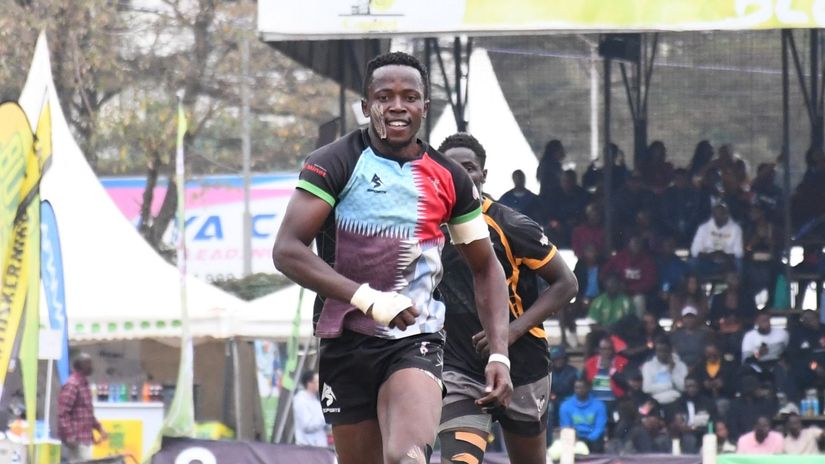
It was Sunday, 24 August, a cold afternoon in Embu. Thousands watched as Kabras and Kenya Harlequin battled in the Embu 7s fifth-place playoff.
Only three minutes into the match, Nyang’ picked the ball and then came the hit. A heavy tackle, a violent slam to the turf, and a silence across the pitch.
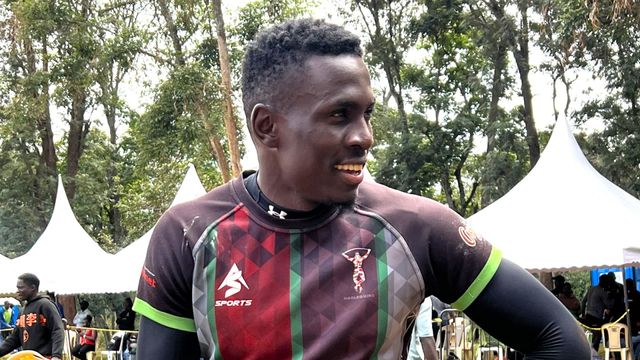
First aiders rushed in, and minutes felt like hours before he was stretchered off. The hardest part was that his mum was in the stands watching.
No one knew it then, but that fall was the last time he would ever play the game he loved.
“It was not supposed to end like that,” he now tells Mozzart Sport.
The weight of these words is unmistakable.
The comeback that broke him again
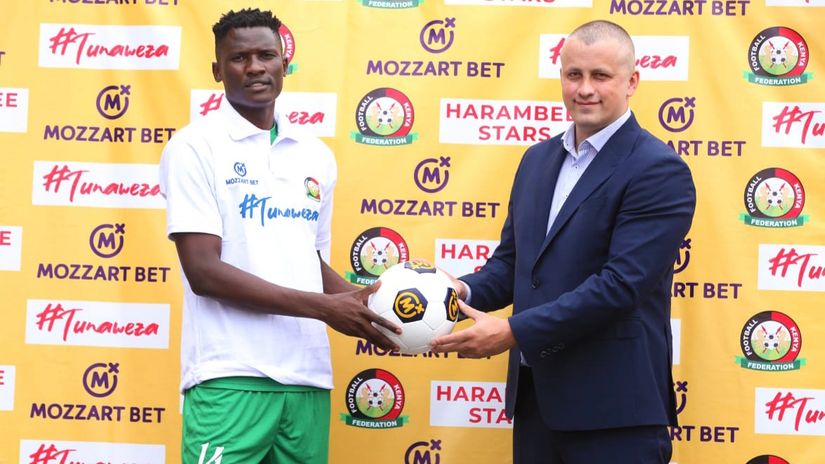
Nyang’ had already survived more than the media ever talks about: concussions, seizures, dizzy spells, and memory lapses. However, in August, after two terrifying years of recovery and reflection, he had allowed himself to believe again.
He returned for Christie 7s, not just to play, but to feel alive. And he did, scoring five tries, six conversions, form that wowed all fans.
.jpg)
For a moment, he remembered who he was, and rugby felt safe again, but Embu changed everything.
Another heavy hit, blackout, stretcher, and another conversation that began with, “We need to talk about your head.”
This time, the doctors did not ask. They told him that he had to stop immediately.
Two months after the incident, Nyang’ admits that recovery has been slow, unpredictable, and expensive.
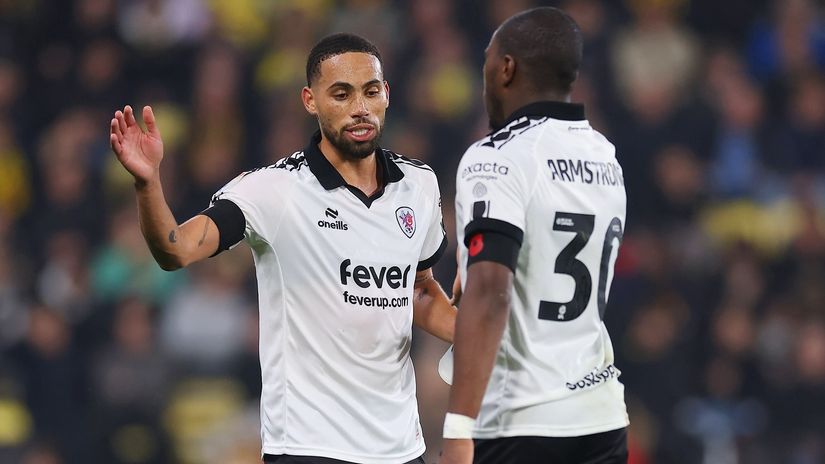
“Physically, I’m still not where I want to be. The seizures, headaches, lapses… they’re still part of my life. The medication helps, but it’s not easy. Some days I feel normal. Other days, my body reminds me that I’m not the player I was,” he says.
The mental battles have been even harder.
“Acceptance is the biggest fight. I wake up some mornings and still have to remind myself that this is my life now,” he painfully explains.
Nyang’ misses the little things like warm-ups, the banter, the pressure, the noise. Even the chaos of contact.
“That pitch was my home. Walking away from home has been the hardest part,” he offers.
.jpg)
Trying to build a new life
After Embu, he decided to distance himself from rugby until his heart could handle being around it. But rugby, as he says, is stubborn.
.jpg)
He was soon drawn back, this time as a coach, guiding age-grade players at DBA Academy, mentoring boys at the Quins academy, and recently joining Homeboyz to help with their Championship campaign.
“I love teaching the basics. Showing kids that rugby is more than tackles, it is systems, structure, discipline,” he explains.
Away from the field, he has rebuilt his career as a social media manager, working with brands and athletes, writing proposals for ambassadorial deals, and teaching players how to build their brands.
And the writer in him is still alive. His raw, reflective, and honest posts have helped athletes who are quietly drowning in pressure. Mental health advocacy has become his anchor.
The emptiness no one warns you about
What people do not see is the loneliness that follows retirement, especially when retirement was not an option, but an instruction.
“The transition has honestly been hell. You lose the structure, the goals, the brothers, the 6 AM alarms. Suddenly, there’s no schedule. No jersey. No reason to push through the pain,” he offered.
Some days, he still goes to the gym out of habit. Sometimes he lacks sleep for two or even three days, and at some moments, he just wants to put his boots on and run.
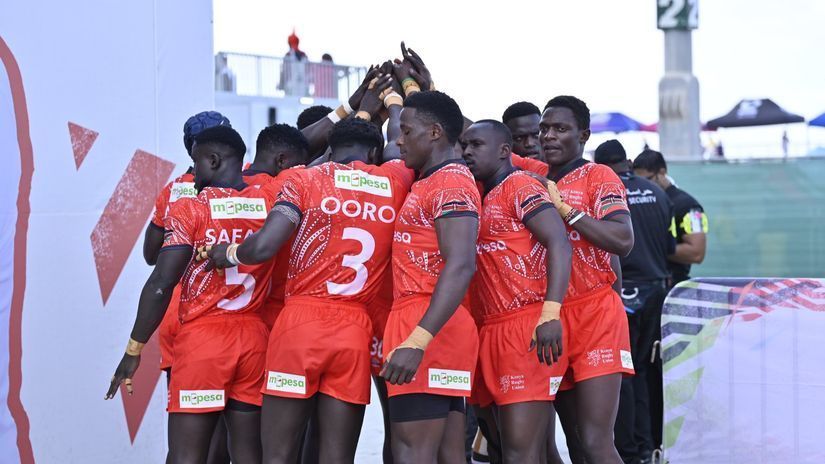
“Every morning, I look at my boots and whisper, ‘One more won’t kill me.’ But it could. And that’s the truth I have to live with,” he said.
Luckily, he has friends who refuse to let him risk his life.
“Every time I mention a comeback, Lucky Dewald wants to punch, and Sheila Chajira threatens me. They love me enough to say no,” he averred.
Learning to live without the jersey
Before retirement, Nyang’ had never imagined an identity beyond rugby.
“Rugby was everything: my rhythm, my confidence, my language, my community. When it was taken away, I felt like I had nothing left,” he offered.
But slowly, painfully, beautifully, he is discovering new layers.
“My value isn’t tied to the pitch. It’s tied to my character. That’s what I hold on to now.”
If he could go back…
If there is one thing he wishes he had known earlier is how dangerous head injuries really are.
“We normalise the small hits. The dizziness. The blackouts. The ‘I’m fine’ moments. But the brain doesn’t heal on adrenaline,” he said.
This is one thing he wants young players to understand deeply.
“No game is worth your life. Listen to your body. Don’t break yourself chasing shillings. Build your value so the opportunities chase you,” he said.
.jpg)
Nyang's rugby journey began at St. Joseph's Rapogi, followed by stints at Egerton Wasps and Nakuru RFC, before he found his home at Kenya Harlequin.
He was a crucial part of the squad that ended a 12-year drought by winning the National 7s Circuit and was also a key player for the Quins in the Kenya Cup.
Nyang's career has been marked by a series of serious health challenges.
His first concussion occurred in 2016 while he was still a student at St. Joseph's Rapogi Boys School. Over the years, he has faced multiple concussions, physical injuries, and the emotional stress that accompanies them.
During the 2024 Dala 7s, he suffered an epileptic attack triggered by foul play after returning to the sport following a two-year hiatus. This incident forced him to sit out the next two legs of the competition.