


What next for sportspersons after testing positive for weed? Anti-Doping Agency of Kenya explains



.jpg)


Reading Time: 3min | Mon. 08.07.24. | 07:43
If the player smoked cannabis sativa just before the matches, then that is a straight two-year ban.
The Anti-Doping Agency of Kenya (ADAK) released a shocking list of 33 sportspersons who have been provisionally suspended for various anti-doping infringements.
The updated list is also reported to include 26 other athletes, plus high-profile basketballers and rugby players.
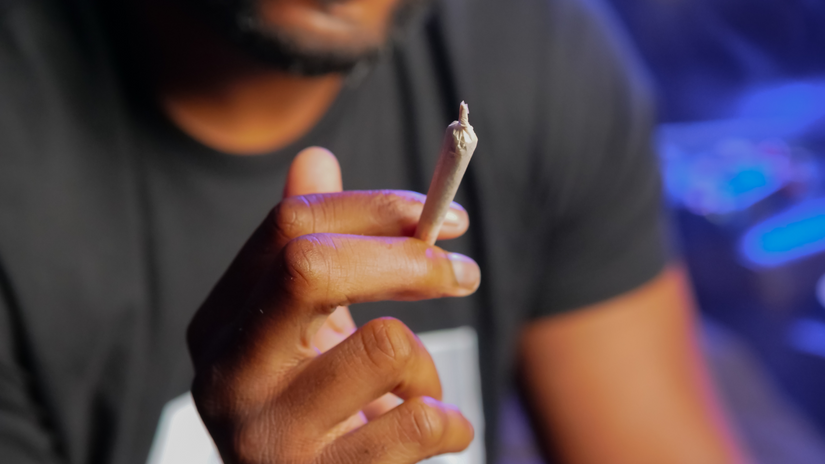
One of the prohibited substances that was found in most of the sports personalities was Cannabinoid, which is linked to Cannabis.

Among the rugby players involved are KCB Rugby’s Brian Wahinya and Kenya Harlequin duo of Zeden Lutomia and Charlton Mokua.
In basketball, a shocking name on the list is Kenya Morans player Albert Odero, currently playing for Nairobi City Thunder was also suspended for the presence of cannabinoids.
What next for the players?
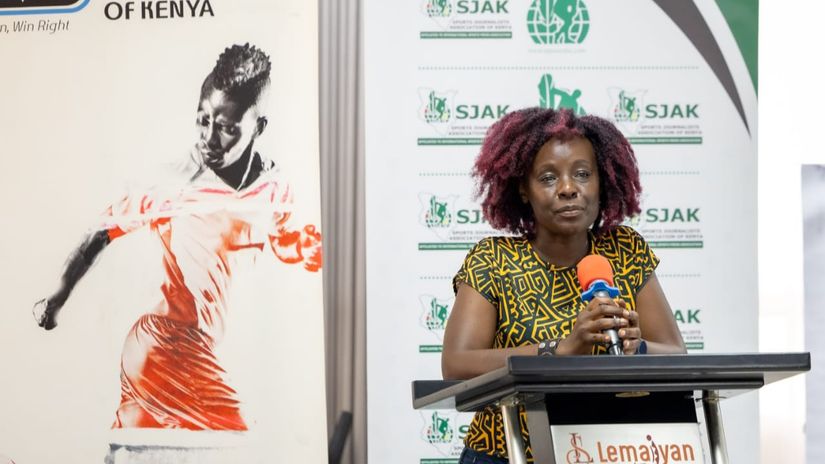
Speaking during an anti-doping workshop organized in conjunction with the Sports Journalists Association of Kenya (SJAK) in Naivasha, ADAK senior educator Walter Omwenga noted that the players should be aware of the burden of proof that awaits them.
After the agency proves the presence of a banned substance, the player must convince the ADAK panel how the substance entered their system. This means providing a credible explanation, with evidence, if possible, to demonstrate it was not intentional, due to fault, or negligence.
They will also have to prove that they did not use marijuana for performance enhancement.
.jpg)
Unfortunately, according to ADAK, pinpointing the exact window of cannabis use through a typical doping test is a challenge.
This is because the body metabolizes THC, the psychoactive compound in cannabis, at varying rates. Factors like body fat percentage, metabolism, and frequency of use can all influence how long THC traces linger in the system.
For some athletes, THC might be eliminated quickly, while others might retain metabolites for extended periods. This variability makes pinpointing the exact window of cannabis use a challenge.
“They will have to convince the panel how the drug entered the body. Remember, the panel is not a single person. It is a selection of different professionals. There is also no way to tell how long the drug has been in the body, hence no way to prove when it was used,” Omwenga argued.
For marijuana addicts, Omwenga noted that it did not have to be the end of a competitive sports career. Many institutions offer rehabilitation programs which provide support and resources to help players overcome addiction and return to competition clean.
“All is not lost. For addicts, you can go for rehabilitation, get help, and come back to competition. You may even come back stronger,” he concluded.
If the player smoked cannabis sativa just before the matches, then that is a straight two-year ban. However, if they took it out-of-competition and can prove that they did not use it for performance enhancement, then they will get a three months suspension.