


From Nightlife to fight night: How Wex is reshaping Nairobi’s boxing future a Tuesday at a time









Reading Time: 7min | Fri. 20.02.26. | 20:15
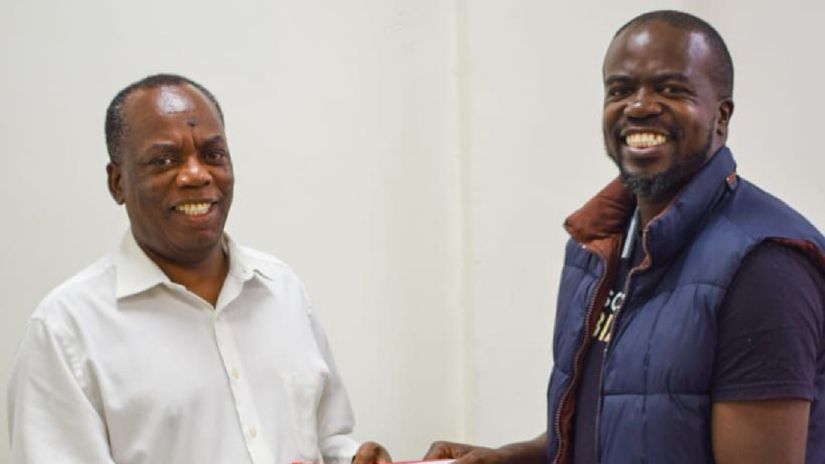
Wex did not begin as a boxing promoter. He was working around sport, managing and hosting for different personalities, moving along the edges of the industry without standing fully inside the ring
On most nights, The Alchemist along Parklands Road belongs to Nairobi’s uptown rhythm.
There is music, soft light, and the quiet confidence of people who expect the evening to unfold gently.
Follow our WhatsApp channel for more news
It is a space known for performances, launches, and carefully curated crowds, the kind of venue where stories are usually told through sound systems and stage lights rather than sweat and silence.
But on the first Tuesday of every month, the room changes its language.
The music stays, and the lights remain bright, the bar still humming with conversation, yet the centre of attention shifts to a boxing ring set in the middle of the floor.
Fighters step through the ropes carrying weeks of training, borrowed hope, and the pressure of being seen.
Many of them come from Kawangware, Kibera, and Mathare, neighbourhoods where gyms are tight on space but rich in discipline, where ambition often grows faster than opportunity.
By the fourth round, when breathing deepens and sweat becomes the only honest currency, the crowd stops performing cool and leans into the fight, and the venue becomes a different kind of theatre.
At the centre of that movement, rarely still and almost never alone, is Willy Wex.
“I go by the name of Willy Wex,” he says simply. “We have been in the field since August of 2024.”

Wex is well built, warm in conversation, and constantly in motion, the kind of promoter who understands that boxing is not only about punches but about trust, timing, and the discipline of showing up again and again until people begin to believe something real is forming.
He does not always ring the bell.
On some nights, like the most recent one, he barely stands still long enough to watch a full round.
He is greeting someone at the entrance, fist-bumping a fighter near the ropes, leaning in so he can hear a question over loud music, smiling, adjusting, solving, becoming whatever the night quietly asks him to be.
That, more than anything, is the work of building boxing in Nairobi.
Wex did not begin as a boxing promoter.
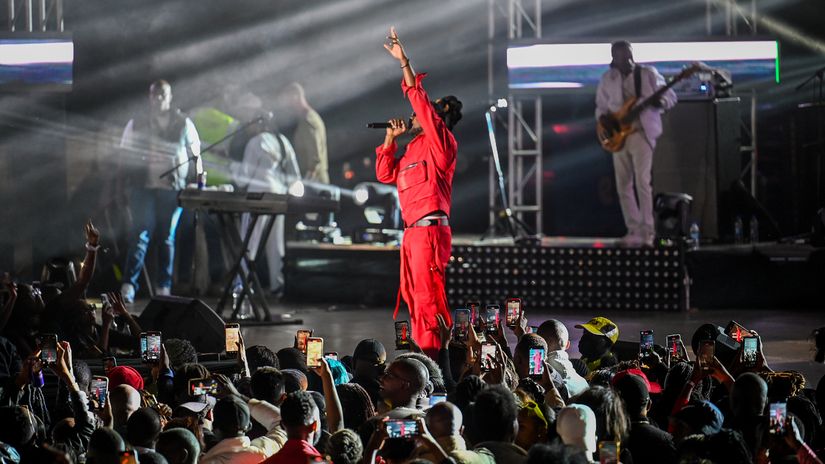
He was working around sport, managing and hosting for different personalities, moving along the edges of the industry without standing fully inside the ring.
Then a simple question redirected everything.
A boxer asked if he managed fighters. He said no. The boxer challenged him to try.
Wex began asking questions in return, wanting to understand the rhythm of the sport from the inside.
When was the last fight? How often were opportunities coming? The answers revealed a quiet truth that many outside boxing never see.
Fighters were training faithfully, but they were not fighting.
“For almost a year, not a way that is not training, but away because of opportunities for fights,” he says, the sentence rough but the meaning unmistakable.
Talent was waiting, energy was waiting, and careers were waiting, all paused by the absence of regular bouts.
That is when the idea began to take shape, not as something glamorous but as something practical.
If fights could happen consistently, then fighters could grow consistently, too.
“If it is consistent. Fighters can have more and more opportunities to fight,” Wex says.
Consistency, not hype, became the centre of the plan.
He called partners, shared the thought, and began testing whether the idea could survive in the real world of costs, venues, and doubt.
Nothing about boxing promotion in Nairobi is simple.
Money is tight, sponsors are cautious, and venues must be convinced that gloves and ropes belong in spaces built for music.
Still, they chose a date and began.
The first fight night came in August 2024, and from that point forward, they held to one rule that mattered more than any advertisement.
Fight nights would happen on the first Tuesday of every month.
Routine became the foundation, and routine slowly became trust.
Choosing Tuesday was not accidental.
On Fridays and Saturdays, The Alchemist already belongs to nightlife, full and loud and certain of itself.
Boxing would struggle to breathe there.
Tuesday, however, sits in the middle of the week with space around it, quieter and open to reinvention.
By placing fights on that night, the venue gains energy it would not otherwise have, fighters gain a platform that returns every month, and fans gain a reason to step out on a weekday for something real.
In a sporting culture where schedules often shift without warning, the simple reliability of a first Tuesday begins to feel powerful.
Regular fights solved one problem, but payment solved another.
Wex speaks carefully here, because the issue is sensitive yet widely understood in combat sports.
Fighters do not always receive their money directly. Payments can pass through layers of managers or middlemen, shrinking or delaying along the way.
By the time the money reaches the boxer, trust has already been damaged.
“We have had scenarios where fighters were not even receiving money directly,” he says.
His answer was straightforward. Pay fighters straight to their phones, clearly and immediately, so the person who steps into the ring is the same person who receives the reward.
“So these kids getting the money directly onto their phones is a plus for me,” Wex says, not with pride in spectacle but with pride in fairness.
It is a quiet change, the kind that rarely trends online yet reshapes a sport from within.

Direct payment builds trust, trust keeps fighters active, and active fighters build the future of boxing.
Not everyone welcomes that transparency, and Wex has felt the resistance that follows any power shift. Still, the system holds, and each month the ring rises again.
The most recent fight night did not end in celebration. One of the final bouts was close, both fighters still learning under the pressure of bright lights and a loud room that never fully sleeps.
The exchanges were sharp and competitive, the crowd leaning forward with every round, sensing a finish that could belong to either corner.
Then the moment arrived, not with a knockout but with a rule. An infringement in the heat of the fight, small yet decisive, forced the referee’s intervention.
The decision followed the rulebook exactly, clear in law even if painful in feeling.
One boxer lost on a technicality, and the room absorbed the disappointment in a slow, quiet wave.
For the crowd, it was an anticlimax. For the fighter, it was something deeper, the collision between effort and regulation that defines professional sport.
Training, sacrifice, and expectation had carried him to the ring, only for the ending to come through procedure rather than power.
Yet this too is part of boxing’s education. Learning happens in public, mistakes carry consequences, and growth waits in the next fight.
Wex did not argue with the decision or attempt to soften it.
He moved calmly between corners, checking on fighters, speaking quietly, keeping the night steady.
He was not ringing the bell, but he was everywhere, greeting, listening, absorbing the noise, ensuring the structure held even in disappointment.
Because fight night is not only about victory. It is about return, about the certainty that another Tuesday is already on its way.
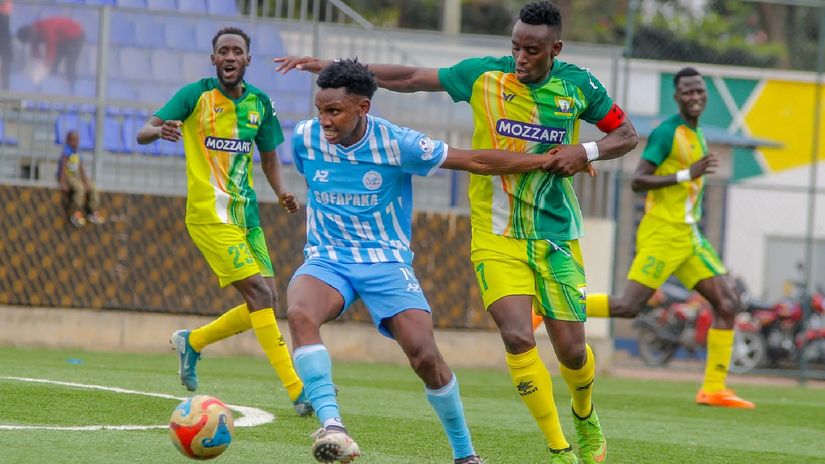
Since August 2024, that rhythm has continued. First Tuesday, ring assembled, fights contested, lessons carried forward, and then the cycle begins again.
Other promoters have started staging more events, too, and Wex welcomes the growth.
More shows mean more chances for fighters, and Kenyan boxing expands through activity rather than ownership. His role, as he sees it, is simply to have begun something steady enough to continue.
“No one will deny me that we started the first monthly fight events,” he says, less as a boast than as a marker in time.
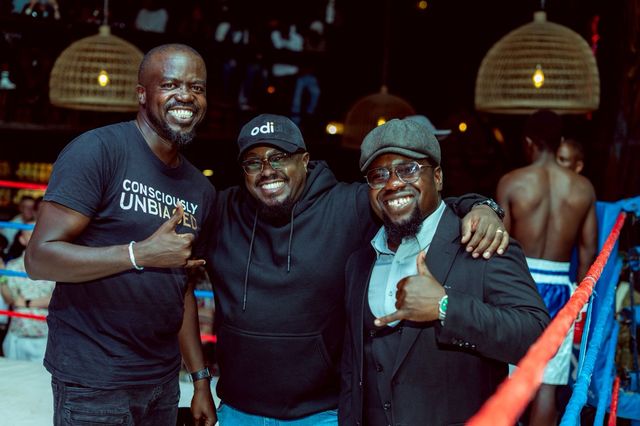
He knows the work is unfinished. Resources remain limited, sponsorship uncertain, and fighters still face long odds.
Yet the vision stays clear. Regular fights create visible records, visible records create recognition, and recognition connects Nairobi’s gyms to the wider boxing world tracked through global systems like BoxRec.
Everything begins with fighting often enough to be counted.
When the final bout ends at The Alchemist, the transformation slowly reverses.
Music rises, conversations drift back to ordinary plans, and the ring begins to disappear piece by piece until the floor looks almost untouched.

Yet something stays with the fighters who travelled from Kawangware, Kibera, and Mathare.
A quiet proof that the ring will return next month, that effort can lead somewhere real, and that someone is keeping the schedule alive even after the crowd has gone home.
Wex is still moving through the room as cables coil and chairs shift, greeting, thanking, listening, already thinking about the next first Tuesday.
He does not need to ring the bell to be heard.
Consistency carries its own sound, and in a city where boxing has often lived on the margins, that steady rhythm may be the most important signal of all.