


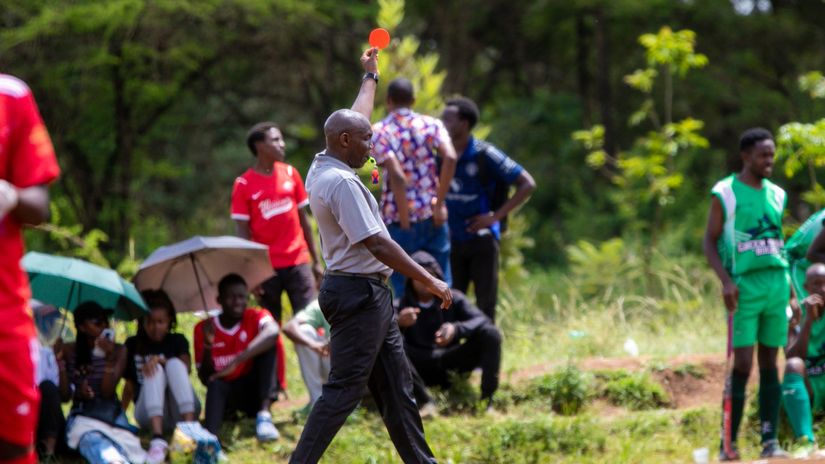
Red cards, rants, and repercussions: KHU's disciplinary committee on the spot


.jpg)

Reading Time: 5min | Fri. 16.05.25. | 13:25
While physical violence, threats, and dangerous play must be addressed to protect the integrity of the sport, many feel the lines have blurred when it comes to punishing dissent
Kenya Hockey Union (KHU) Disciplinary Committee continues to face criticism over its handling of player discipline and free expression, especially on matters involving red cards and social media commentary.
A recent disciplinary committee meeting held on January 4 and 5, 2025, revealed that players, coaches, and umpires are being penalized for what the committee terms “abusive” or “inappropriate” online posts. This comes amid growing concern from stakeholders about what some describe as a culture of intimidation and selective enforcement within the sport's governance.
Follow Our WhatsApp Channel For More News
Two prominent cases involved sanctions for online comments deemed inappropriate by the Union.
Beryl Atieno Okwach, a player and official of DFG Wolverines, was handed a one-season suspension for a Facebook post criticizing the refereeing in a local match. Her post “Very shitty refereeing Cc Titus Ngolia Mulwa, KHU, we can’t even enjoy the sport” was flagged as abusive under the FIH Code of Conduct. The committee found her unapologetic, citing her influence as a senior official and public figure. Her coach later issued a formal apology on behalf of the club.
In a similar case, Charles Abong’o, the Mombasa Sports Club Ladies coach, was suspended for six months for what KHU described as an “inappropriate public comment” on Facebook. The disciplinary committee labeled the post as inciting and disrespectful, even though Abong’o maintained he was airing personal views and not representing his club. The report also highlighted his “arrogance” during the hearing.
These rulings have revived long-standing concerns about KHU’s tolerance for dissent and freedom of speech within the sport. According to Duncan Murunga, a player for Park Road Tigers, such behavior is nothing new.
“The summons came as a result of my social media comments regarding the unethical running of KHU affairs,” said Murunga. “This was after failing to adhere to numerous phone call warnings by the Secretary General.”
“I responded to the letter describing the lacuna in law warranting the Union summoning me. The system operates like a kangaroo court,” added Murunga, who refused to attend the disciplinary session in 2021. He described the Union's leadership as disconnected from the real needs of the sport’s development.
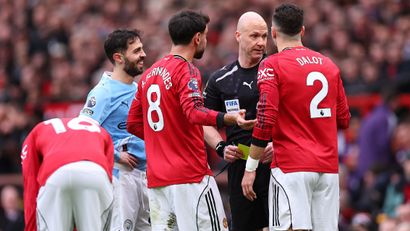
While the social media-related suspensions are controversial, several other cases outlined in the report deal with conventional red card offenses, though even these have not escaped criticism.
Samson Ratia, a player for USIU-A Men, received a one-year suspension after being found guilty of physically assaulting and threatening an umpire during a match against Strathmore University. He later admitted to the offense and attributed his behavior to the high intensity of the game. The committee strongly condemned the actions, urging him to undergo anger management and counseling sessions.
Another notable case involved Calistus Muyale of Western Jaguars, who received a red card for verbally abusing a match official at the end of a semi-final during the Mombasa County tournament. He was quoted as saying, “We're messing up the game by issuing stupid cards!” After serving a six-match suspension, the committee placed him on probation for three months.
Antony Musilwa of Sailors Hockey Club was also punished for similar misconduct - abusive language and threats toward a match official, alongside damaging sports equipment. He was ordered to pay Ksh1,000 for the broken hooter and serve a six-match suspension. His teammate Abraham Musee received a four-match suspension for “unruly” behavior in a separate incident.
Clifford Ian of USIU-A men received a red card for persistent dangerous play. Despite having no prior red card in his career, the committee ruled for a three-match suspension, citing the inherent dangers of hockey and the need for players to minimize injury risks.
Walkouts and Team Sanctions
Team discipline was also under review in two cases involving walkouts, where entire teams were penalized.
The Black Tigress Hockey Club walked out of a league match against JKUAT Ladies on September 14, 2024, citing dissatisfaction with umpiring decisions. The team, led by captain Sheila Orina and team manager Jonah Maina, was unaware of the consequences of abandoning a match. The disciplinary report accused them of lacking a basic understanding of game regulations. As punishment, Black Tigress was deemed to have withdrawn from the league and placed last in the standings.
Similarly, DFG Wolverines Ladies left the field in protest during a match against MSC Ladies on September 28, 2024. Their protest centered on a disputed penalty stroke decision. Like Black Tigress, Wolverines were found to have failed to utilize proper protest procedures.
Even umpires found themselves on the receiving end of disciplinary action. Veteran umpire David Omwaka, a Kenya Hockey Umpires’ Association official, was involved in a verbal altercation with fellow umpire Peter Obalo during a tournament match in July 2024. Despite not officiating, Omwaka, whose son was playing, hurled insults that extended beyond the pitch, even invoking Peter’s family.
The committee determined that Omwaka had served enough time off from umpiring in 2024 and allowed him to return after mediation. However, both umpires were issued stern warnings, and a KHUA member was tasked with investigating underlying tensions between them.
Calls for Reform Grow Louder
Across the board, the KHU disciplinary system has come under criticism for being inconsistent and overly punitive. While physical violence, threats, and dangerous play must be addressed to protect the integrity of the sport, many feel the lines have blurred when it comes to punishing dissent.
The punishment of public comments, especially when the same disciplinary committee struggles to ensure timely hearings or clear communication has been seen by many as an effort to stifle valid criticism.
Stakeholders, especially players and coaches, are calling for the Union to review its procedures and create a transparent, legally anchored disciplinary framework.
As one anonymous coach told Mozzart Sport off the record, “We’re not against discipline, we’re against intimidation. There must be a difference.”
With more players, officials, and even journalists feeling the weight of disciplinary actions for speaking out, the future of free expression in Kenyan hockey may be just as contested as the matches themselves.
Eastern region, often overlooked in national hockey conversations, is steadily carving its own space in the sport, and leading the charge is Makueni Snippers Hockey Club, the region’s latest addition to the Kenya Hockey Union (KHU) Men’s National League.https://t.co/odzNNvn2Mq
— Alvin Wesonga🇰🇪🇺🇬 (@alvin_wesonga) May 12, 2025