


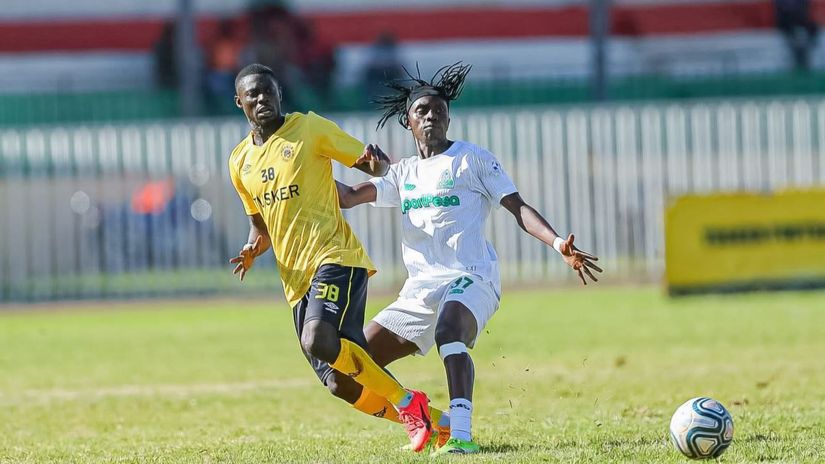
TACTICAL ANALYSIS: Tusker’s Tactical Fortress; How a compact 5-2-3 and one clinical transition secured a 1-0 triumph over Gor Mahia



Reading Time: 8min | Fri. 17.04.26. | 15:28
The match-up was never going to be just another fixture, when has it ever been just that?
With the league table on a knife-edge, Gor Mahia arrived at Wanguru stadium in Mwea knowing three points would stretch their lead at the top to five, but left with the gap frozen at two after a narrow defeat that keeps the title race alive with seven games to go.
Download our MozzartSport App For More News
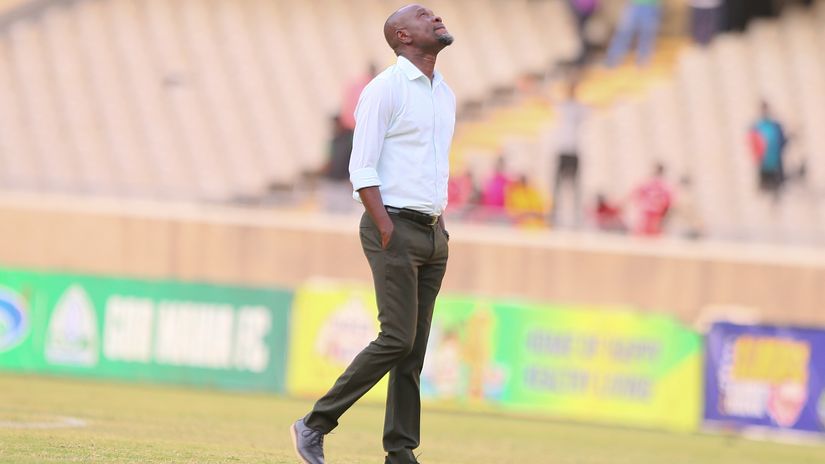
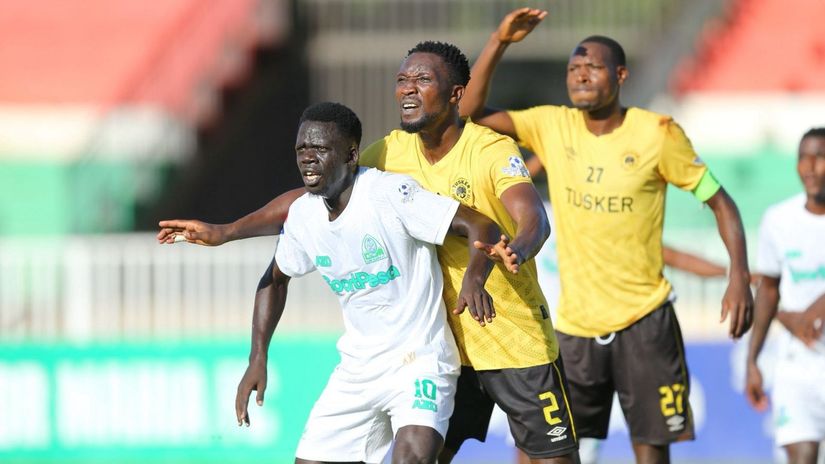
The subplot started before kickoff: Charles Akonnor admitted his side had to ditch their usual style because the pitch wouldn’t allow it, only for assistant Kobi Mensah to question post-match how the game was even played on that surface.
On the other side, Tusker boss Julien Mette carried quiet swagger into the tie, fresh off a gritty 1-0 over Kariobangi Sharks where he conceded his team had a poor second half but still won. For Tusker, this was their final dance with a top-five side this season, and Mette demanded a statement.
What followed was a battle of adaptation, frustration, and fine margins that reshaped the narrative at the top end of the table.
Tusker went on to secure a 1-0 victory over Gor Mahia, a result that hinged on clinical execution against sustained pressure rather than overwhelming dominance.
From kickoff, the tactical contrast was stark: Tusker lined up in a 5-2-3 shape that morphed into a compact 5-2-3\5-4-1 out of possession, emphasizing defensive solidity and opportunistic transitions, while Gor Mahia adopted a more expansive 4-3-3 designed for high pressing and vertical penetration.
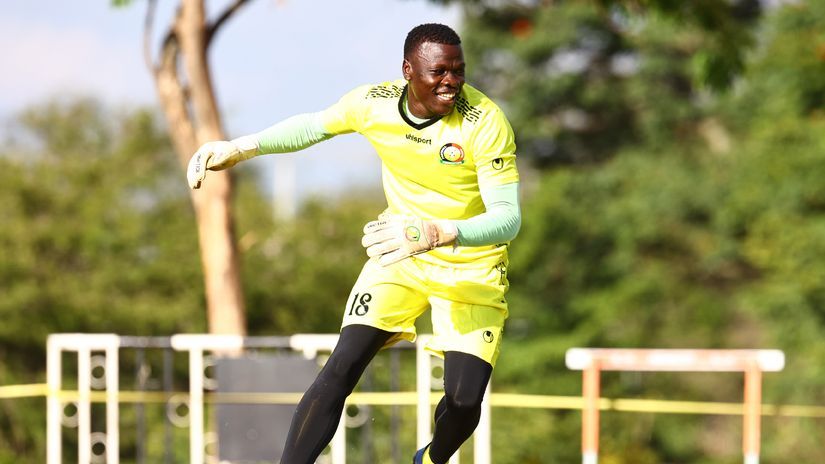
Tusker’s setup featured goalkeeper Pavehl Ndzila shielded by wingbacks Eugene Ikutwa on the right and Servyl Akouala on the left, a central defensive trio of Francis Oduor, Charles Momanyi, and Thomas Teka, twin central midfielders Dennis Iguma and Fabian Adikiny, and attacking trio Ian Simiyu and Erick Kapaito as inside forwards flanking striker Ibrahim Joshua.
Gor Mahia countered with Gad Mathews in goal, fullbacks Paul Ochuoga and Bryton Onyona, central defenders Mike Kibwage and Frank Odhiambo, central midfielders Enock Morrison and Alpha Onyango, advanced midfielder Jackson Dwang operating between the lines, and wide forwards Shariff Musa and Patrick Esombe supporting lone striker Ebenezer Assifuah.
This structural mismatch set the stage for a first-half battle where Gor Mahia’s aggressive pressing met Tusker’s disciplined build-up, creating rising tension that exploded into a decisive early goal before subs and adjustments reshaped the contest.
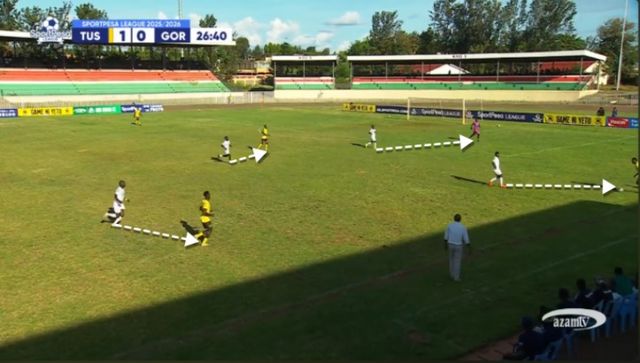
The opening minutes revealed Gor Mahia’s intent to disrupt Tusker’s rhythm through targeted pressing, particularly on dead-ball situations and when fullbacks returned the ball to their goalkeeper.
This trigger forced Gor into high-intensity moments, bypassing their own midfield early by launching diagonal switches from central defenders\midfielders aimed at creating verticality in wide areas, especially targeting Musa on the left flank.
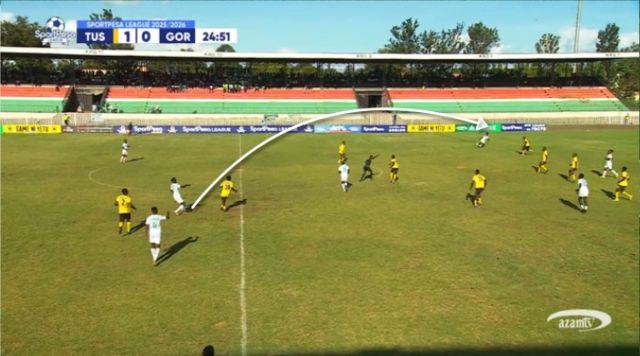
Tusker, however, absorbed this pressure through their wingbacks, who progressed the ball methodically while the inside forwards narrowed to support central striker Joshua, forming compact triangles that invited Gor forward only to spring counters.
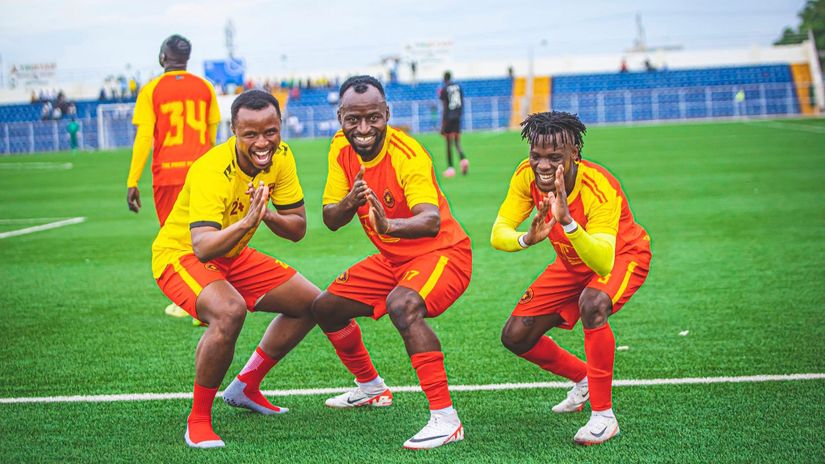
Kapaito played a pivotal role in Tusker’s build-up, occasionally dropping from his right inside-forward position into midfield zones to act as a progressive outlet, pulling markers and enabling the team to advance through the middle third.
This rotational mechanism created interior overloads that Gor struggled to contain, as their 4-3-3 left gaps when pressing high.
In contrast, Tusker’s 5-2-3 out-of-possession shape maintained a flat defensive block, with the two central midfielders crucial in contesting second balls and preventing Gor from exploiting space between the lines.
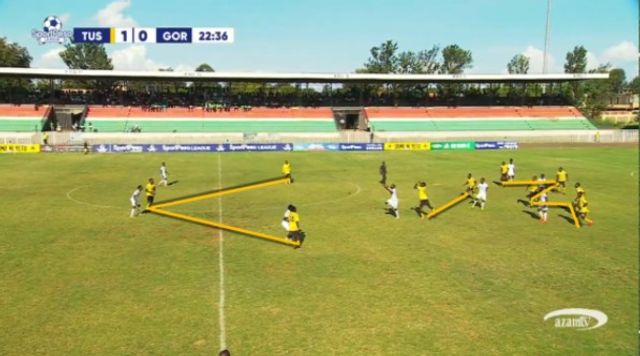
Tension mounted as Gor Mahia shifted to a more direct approach, opting for long goal kicks to bypass the midfield entirely and launch attacks over the top of Tusker’s back line.
This change highlighted Gor’s attacking patterns - seeking runs in behind through balls and early crosses, particularly from the overlapping right-back Paul Ochuoga on the right flank.
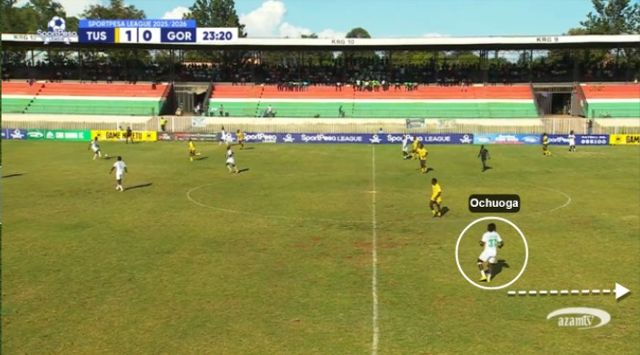
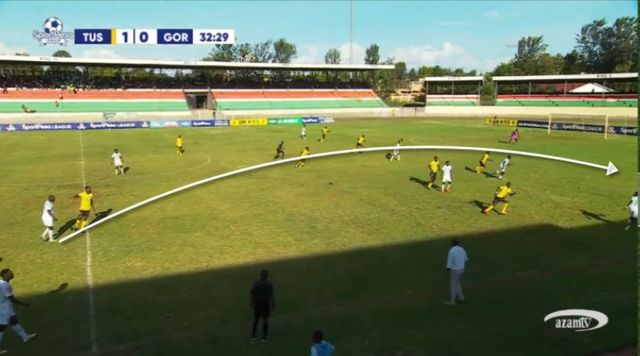
Yet Tusker’s defensive scheme proved resilient: the five-man back line, bolstered by the central midfielders, excelled in aerial duels and recovery runs, while Akouala and Simiyu doubled up effectively to neutralize Ochuoga’s surges, pinning him defensively and limiting his forward contributions.
On the opposite flank, Ikutwa, supported closely by Oduor, kept the explosive Musa quiet, denying him the isolation he thrives on.
Tusker’s pressing, though less frantic, focused on lateral passes in wide areas, using the touchline as an extra defender to collapse build-up and transition quickly.
The plot twist arrived in the 15th minute, a masterclass in turning defense into attack. Akouala pounced on a loose ball deep in Tusker’s half after Esombe lost possession, initiating a rapid counter. Simiyu’s shot produced a rebound that Joshua latched onto, but the true tactical intrigue came in the opposite movements: Akouala surging inside from left wingback while an inside forward vacated space outside, setting up the overlapping run.
Simiyu carried forward, cut inside, and unleashed a shot saved initially by Mathews, only for Joshua to pounce on the rebound for the opener. Tusker had needed just one shot on target to score, showcasing their clinical edge against Gor’s more volume-based threats.
As the first half progressed, momentum swung toward Gor Mahia’s sustained pressure, yet Tusker’s organization held firm. Gor increasingly relied on dead-ball situations orchestrated by Morrison - throw-ins, corners, and the occasional free-kick - to generate chances, targeting space behind Tusker’s defensive line with Assifuah, Enock, and Shariff all testing Ndzila.
The Tusker goalkeeper emerged as a hero, narrowing angles to deny shots, claiming crosses from wide areas, and sweeping up through balls, keeping his side in the contest despite Gor’s directness.
A battle for second balls and knock-downs defined the midfield, with both teams leaning into physicality as direct approaches clashed.
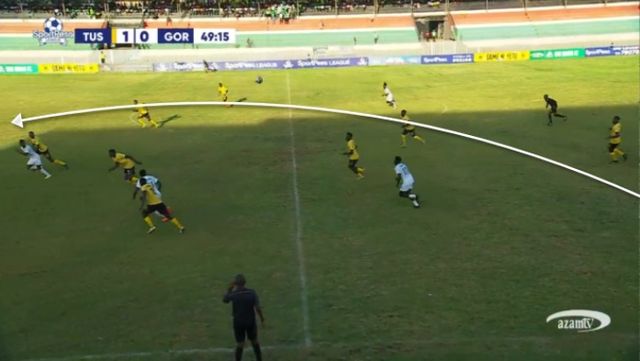
Alpha Onyango’s tactical drop into a single-pivot role around the 30-minute mark allowed Gor to build from deeper positions, luring Tusker’s block higher before launching long passes over the top to exploit runners.
Gor’s high defensive line also sprung an offside trap multiple times, catching Kapaito and Joshua in behind and frustrating their runs. Yet these adjustments failed to yield an equalizer, as Tusker’s back line picked up loose balls efficiently and their wingbacks maintained width without overcommitting.
By halftime, Tusker led 1-0 with no shots off target, their 5-2-3 shape having successfully disrupted Gor’s 4-3-3 pressing triggers while capitalizing on one clinical transition.
The home side’s adaptability on the Wanguru stadium pitch, where they had played several recent matches, added an edge in terrain familiarity that aided their defensive compactness and quick counters.
The second half opened with rising tension as Gor Mahia sought to regain control through subtle positional tweaks, interchanging their wingers - Esombe shifting to the left and Shariff to the right - to refresh attacking patterns without altering their core 4-3-3.
They persisted with the first-half theme of delivering balls onto the top of Tusker’s block, targeting runners in behind via through passes and longer diagonals, supplemented by Morrison’s dead-ball deliveries for long throw-ins and free-kicks aimed at the solid Tusker back line.
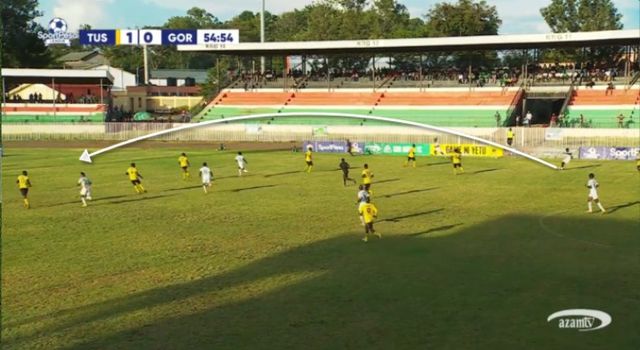
Tusker remained in their compact 5-2-3 out-of-possession shape;
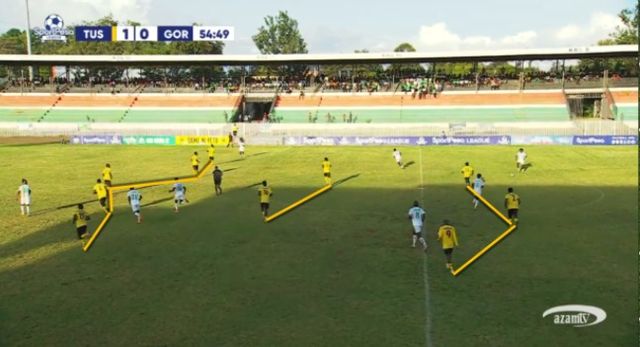
prioritizing compactness and stepping triggers that forced Gor into predictable crosses. Gor responded with more frequent early crossing, especially seeking knockdowns from Assifuah or second-ball opportunities in the penalty area, but Tusker’s aerial dominance - led by the central defenders and later Adikiny - neutralized these threats.
The game’s first major turning point came around the 65th minute with Tusker’s triple substitution: Bless Selasie, Chrispine Erambo, and Stephen Etyang replaced Iguma, Simiyu, and Joshua.
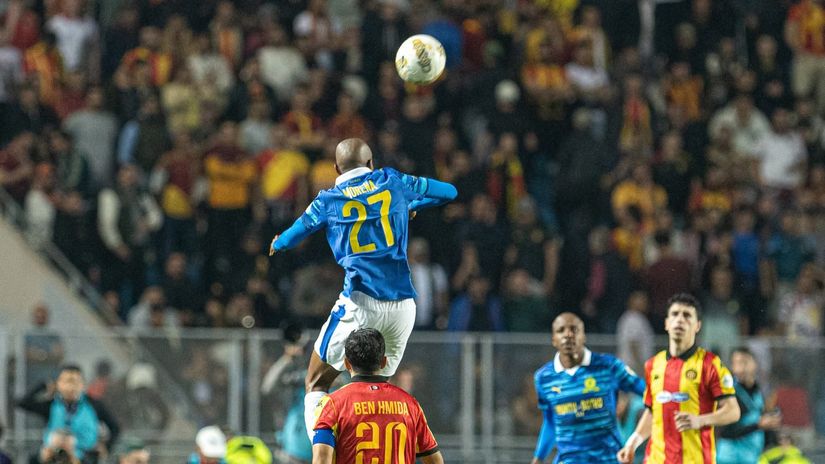
This injection of fresh legs reinforced midfield control and attacking depth, allowing Tusker to maintain their pressing intensity while preserving the defensive block.
Gor Mahia countered with their own double change in the 70th minute, introducing Samuel Kapen and Ebenezer Adukwaw for Ochuoga and Musa.
Bryton Onyona became more marauding while the new right-sided personnel pushed forward, transforming Gor’s attack into a three-forward setup supported by width from the fullbacks.
This shift increased their numbers in advanced areas, creating interior overloads and forcing Tusker to defend deeper.
Yet Tusker’s back line and Adikiny continued to win aerial duels and second balls from Gor’s long balls over the top, maintaining control in transitions.
Momentum briefly favored Gor around the 80th minute when Morrison’s free-kick delivery created a dangerous moment, but Ndzila produced a spectacular double save - first claiming the ball, then pouncing on the loose rebound before Gor attackers could react - preserving the clean sheet.
Gor’s final push came with substitutions in the 81st minute, adding attacker Christopher Ochieng and midfielder Fidel Origa for Alpha Onyango and Jackson Dwang, committing fully to an all-out assault with more numbers forwards.
Tusker responded decisively in the 83rd minute by withdrawing Kapaito for defender Denis Wanjala, tightening their defensive structure into an even more resolute 5-4-1 shell.
This tactical adjustment marked the resolution phase: Tusker entered game-management mode, using intricate short passes in wide areas and the middle third to retain possession and deny Gor meaningful opportunities to regain the ball high up the pitch. Gor pushed numbers forward to occupy the Tusker defense, but the home side’s rest-defense and counter-pressing proved superior, with the back line and goalkeeper claiming crosses and over-the-top passes efficiently.
Ndzila’s positioning out of his line snuffed out late threats, while the central midfielders disrupted Gor’s build-up disruption attempts.
The match ended with Tusker’s defensive organization triumphing over Gor’s attacking volume, the single early goal proving enough as momentum swings from substitutions and Gor’s direct style ultimately faltered against Tusker’s adaptability.
Tactically, Tusker’s victory underscored the effectiveness of a compact 5-2-3/5-4-1 hybrid that neutralized Gor Mahia’s high press and vertical threats through disciplined wingback progression, dropping movements from Kapaito, and clinical counter-execution.
Gor’s 4-3-3 generated pressure via dead balls, early crosses, and runs in behind but lacked the precision to breach Tusker’s solid back line and inspired goalkeeping, especially once Tusker’s substitutions stabilized their shape.
Key zones of domination - the midfield second-ball battles and wide areas - favored Tusker, where Ikutwa and Akouala contained Gor’s wide threats while their own inside forwards created the decisive overload. In possession, Tusker’s rotational build-up exploited Gor’s pressing triggers; out of possession, their compactness and recovery runs shut down transitions.
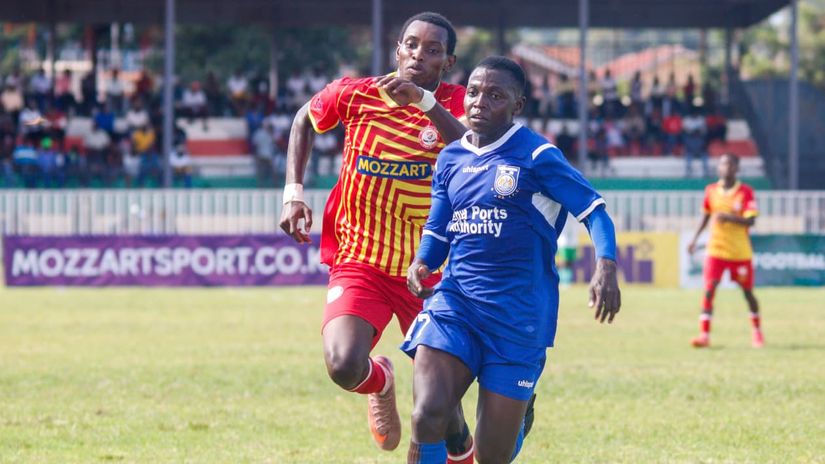
Gor’s adjustments, from wing interchanges to fullback surges and late attacking subs, increased attacking intent but exposed them to counterpressure, as Tusker’s game management prevented any late momentum reversal.
The result leaves Tusker with a psychological boost from their clinical, terrain-savvy display, while Gor must reflect on how their directness and high line, though ambitious, were repeatedly neutralized by a more pragmatic opponent.
Ultimately, this encounter illustrated how defensive structure and timely tweaks can trump attacking ambition when execution aligns with the moment, delivering a hard-fought win built on tactical discipline rather than flair.