



TACTICAL ANALYSIS: RS Berkane's superiority that overpowered Power Dynamos





Reading Time: 6min | Mon. 24.11.25. | 15:21
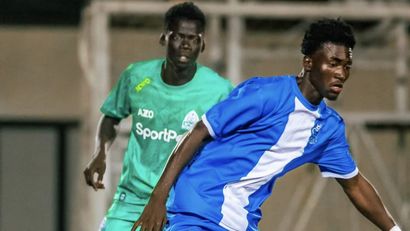
Shumah, deployed centrally as the striker, frequently dropped deep in an attempt to link play, but lacked coordinated support around him
RS Berkane delivered a commanding tactical performance at the Berkane Municipal Stadium as they dismantled Zambia’s Power Dynamos in a CAF Champions League Group A encounter that showcased the Moroccans’ superior structure, tempo control and positional intelligence.
Follow our WhatsApp channel for more news
Coach Mouaine Chaabani’s side approached the match with clarity and fluidity, exploiting Power Dynamos’ structural weaknesses and pressing discomfort to secure an emphatic victory.
Chaabani set his team up in a 4-4-2 organisational structure, designed to control possession and manipulate the half-spaces.
El Kajoui Mounir started in goal, with Haytam Manaoute and Hamza El Moussaoui operating as full-backs tasked with providing width in deeper areas.
The centre-back pairing of Abdelhak Assal and Oussama Haddadi ensured stability during Berkane’s rest-defense phases, maintaining compact distances behind the midfield.
In the middle of the park, the double pivot of F. Lamine Camara and Ayoub Khairi provided the backbone for Berkane’s positional play.
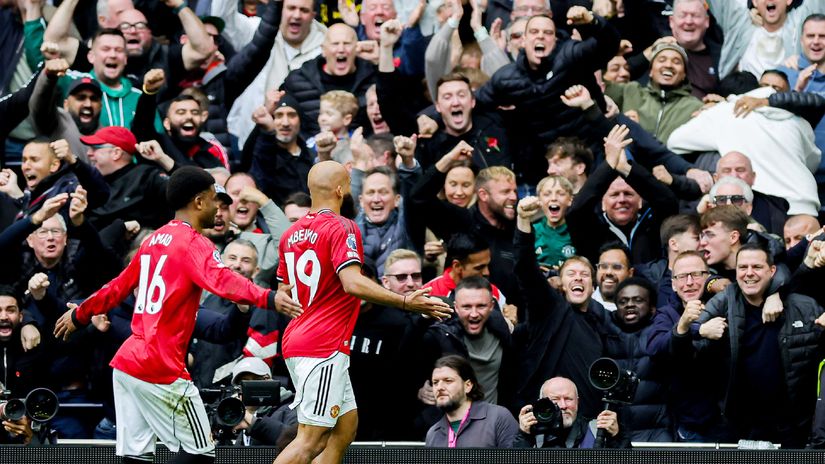
Camara, naturally progressive, frequently dropped in as a pivot to link the defensive line with the attacking midfielders, enabling clean progression into advanced areas.
Ahead of them, Mohamed El Morabit played as the advanced midfielder just behind striker Valere Bassene, constantly receiving between the lines and providing vertical passing options.
Out wide, Youssef Mehri on the right and Mounir Chouiar on the left provided the width, tempo changes and 1v1 threat that would define the first half.
Power Dynamos, in contrast, lined up in a 4-3-3, with Lawrence Mulenga in goal and a back four of Chiboni Kondani, John Solo, Aaron Katebe, and Dominic Chanda.
The midfield setup featured Tembo Owen as the deep-lying pivot, Mumba Prince alongside him, and Frederick Mulambia acting as the creative connector in the advanced role.
Their front three - Daniel Adoko, Moses Shumah, and Jackson Mulambia - were tasked with stretching Berkane’s defensive line and threatening in transition.
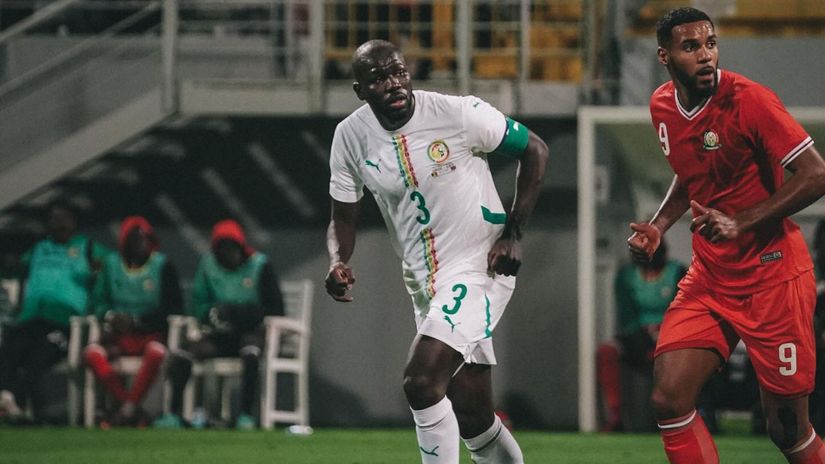
From kickoff, RS Berkane imposed a rhythm that Power Dynamos struggled to cope with.
Through coordinated possession circulation and intelligent occupation of spaces, Berkane pinned their opponents deep in their defensive block.
Their high press - triggered particularly in wide areas - forced Power Dynamos into hurried clearances, often resulting in turnovers.
Power Dynamos attempted to bypass Berkane’s dominant midfield through long goal kicks and direct passes from the goalkeeper, but this strategy yielded little success as Berkane’s centre-backs consistently won second balls, recycling possession effectively.
The breakthrough came in the 14th minute when Katebe inadvertently directed the ball into his own net following a dangerous delivery from Mehri on the right.
Barely a minute later, Berkane doubled their lead through Mounir Chouiar, who finished clinically into the bottom-left corner after a swift attacking sequence.
Within two minutes, Power Dynamos were 2-0 down, destabilised, and visibly struggling to maintain structure.
In response to Berkane’s dominance, Power Dynamos dropped into a 5-4-1 low block, seeking to reduce central spaces and limit damage.

This shift was designed to help them absorb pressure and wait for moments to transition, especially through wide pressing triggers.
However, their inability to string together more than four or five passes under Berkane’s press meant they remained pinned for large periods.
Berkane continued to dictate the tempo through controlled positional play.
The double pivot managed build-up phases with confidence, while Mehri and Chouiar alternated between wide isolations and inside movements to overload the half-spaces.
El Morabit’s intelligent floating between lines prevented Power Dynamos from compressing centrally, forcing them into reactive defending.
RS Berkane were equally impressive out of possession, where they adopted a compact 4-4-2 mid-block that repeatedly frustrated Power Dynamos’ attempts to build through midfield.
The structure was narrow, vertically and horizontally compact, with the two strikers screening passes into Tembo Owen while simultaneously guiding Power Dynamos’ circulation toward the flanks - where Berkane had planned their pressing traps.
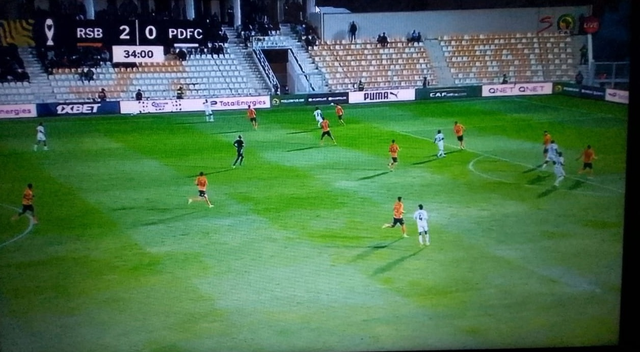
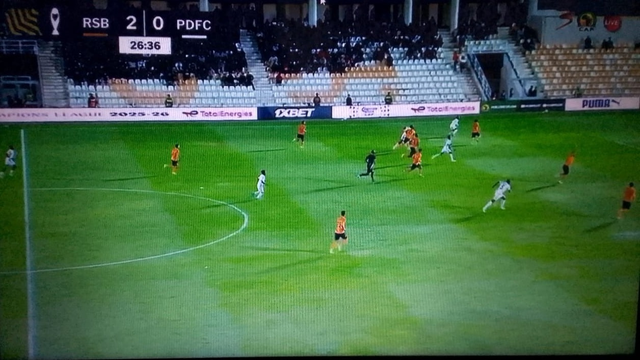 RS Berkane’s compact 4-4-2 mid-block suffocated Power Dynamos’ buildup, with the front two screening central lanes and guiding play wide into preset pressing traps, consistently disrupting Dynamos’ attempts to play through midfield.
In this mid-block, the wingers stayed disciplined, tucking in to deny access to the half-spaces while maintaining the ability to jump wide when the ball was forced to the full-backs.
The double pivot of Lamine Camara and Ayoub Khairi excelled at closing central lanes, stepping out aggressively when Power Dynamos’ midfielders tried to turn, and winning second balls after Berkane deliberately triggered duels in congested areas.
This approach repeatedly dispossessed Power Dynamos, breaking their rhythm and creating a sense of frustration each time they attempted to sustain possession phases.
As a result, Power Dynamos struggled to progress beyond the second third of the pitch, often forced into rushed long balls or premature switches that Berkane’s back line easily recovered.
The mid-block became a key element of Berkane's control, complementing their possession dominance and ensuring they dictated both the tempo and the spaces in which the game was played.
The second half began with Power Dynamos making an early substitution - Chfundo Mphasi replacing Jackson Mulambia - as they looked to regain balance.
However, Berkane struck again, in the 65th through a transition moment.
A ball over the top by Chouiar released Bassene, who was pushed in the box by Chanda. Bassene calmly converted the penalty to make it 3-0, all but sealing the match.
From here, Berkane managed the game superbly.
They controlled possession, alternating between high-tempo vertical attacks and slower circulation when necessary.
Their use of wide areas became particularly prominent as they switched play to stretch Power Dynamos’ defensive block and continue creating openings.
Defensively, Berkane remained compact, with excellent vertical communication from the centre-backs and midfield.
Their zonal marking on defensive set pieces - especially corners - ensured they maintained discipline and denied Power Dynamos any meaningful aerial threat.
Offensively, Power Dynamos struggled throughout.
Their usual fluidity, seen in the Zambia Super League, was absent.
Shumah, deployed centrally as the striker, frequently dropped deep in an attempt to link play, but lacked coordinated support around him.
Wide players failed to attack space early, and midfield runners were rarely available for combination plays. The result was a fragmented attacking unit unable to sustain any meaningful offensive sequences.
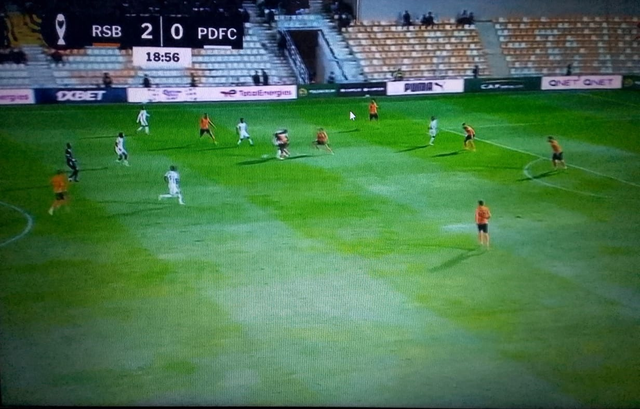 Shumah repeatedly dropped deep to link play but found no coordinated support, with wide players slow to attack space and midfield runners absent - leaving Power Dynamos’ attack disjointed and unable to sustain meaningful sequences
Berkane’s well-drilled counter-press repeatedly smothered their attempts to transition quickly. Without clear passing lanes or synchronised movements, Power Dynamos posed minimal threat.
As the match approached the final minutes, RS Berkane effectively slowed the game down, controlling tempo and minimising risk.
Their experienced players dictated rhythm, circulated possession with patience, and ensured Power Dynamos had no route back into the match.
In the end, Berkane’s tactical superiority, structural discipline, and attacking cohesion delivered a confident victory that strengthens their standing in Group A.
Power Dynamos, meanwhile, will return home needing to rediscover their domestic fluency and rebuild collective confidence ahead of the remaining group fixtures.