


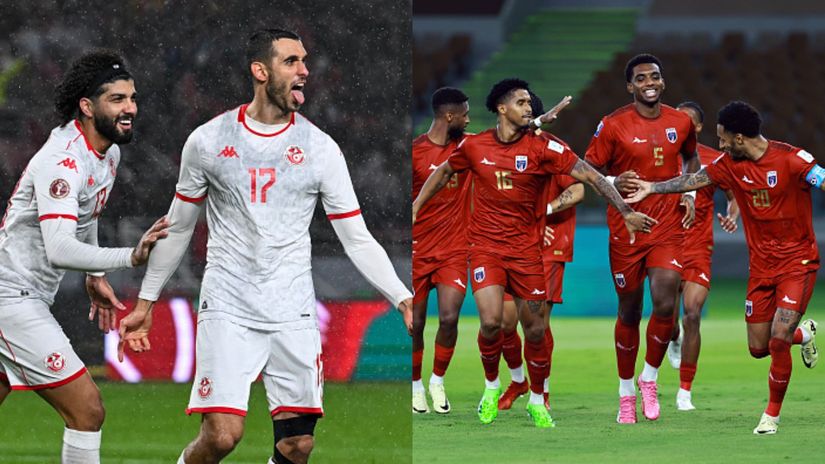
TACTICAL ANALYSIS: Key to Tunisia and Cape Verde’s success at 2026 FIFA World Cup


.jpg)
Reading Time: 6min | Mon. 08.06.26. | 16:15
Representing two distinct footballing heritages, Tunisia and Cape Verde enter Group F and Group H with vastly contrasting histories, styles, and systemic identities
The 2026 FIFA World Cup welcomes an expanded field, but the tactical essence of African football remains beautifully complex.
Download our Mozzart Sport app for more news
Representing two distinct footballing heritages, Tunisia and Cape Verde enter Group F and Group H with vastly contrasting histories, styles, and systemic identities.
Tunisia’s Eagles of Carthage arrive as battle-hardened regional giants under Sabri Lamouchi, boasting defensive historic data that rewrote the record books.
Conversely, Pedro ‘Bubista’ Leitão Brito’s Cape Verde - the Blue Sharks - are swimming in completely uncharted waters, making their historic World Cup debut.
An analytical deep dive reveals how these two tactical frameworks will set up, rotate, and attempt to disrupt the global hierarchy.
Tunisia carries a rich, albeit frustrating, World Cup legacy. Across seven tournament qualifications, the Eagles of Carthage have never advanced beyond the group stage.
They own historic landmarks - becoming the first African and Arab nation to win a World Cup match by defeating Mexico 3-1 in 1978, and upsetting France 1-0 in 2022 - but consistency has traditionally eluded them.
Currently ranked 44th globally and 8th in Africa, Lamouchi’s modern side is heavily reliant on a highly structured diaspora talent pool.
The undisputed creative heartbeat of this low-key, pragmatically geared team is Burnley’s Hannibal Mejbri.
Capable of playing as a central attacking midfielder, Mejbri registered 19 chances created and 5 goal contributions in a struggling Clarets' side.
While the squad lacks elite, top-tier European experience, their collective tactical discipline is terrifyingly elite.
During their historic 2026 qualification campaign, Tunisia became the first team in FIFA World Cup history to advance to the tournament without conceding a single goal in the group phase.
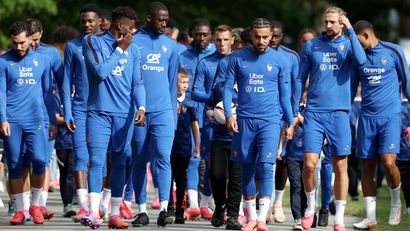
Lamouchi’s side will alternate between a 4-3-3, 4-1-4-1, and 4-2-3-1 depending on the match phase. In possession, their build-up is heavily calculated to minimise structural risk.
Tunisia frequently builds in an asymmetric back-three, achieved by dropping a central midfielder between or alongside the split centre-backs.
This structural base permits the defenders to drive forward into space when unpressed. Simultaneously, full-backs Ben Hamida on the left and Arous Adem/Vallery on the right push extremely high and wide to stretch the pitch.
With the full-backs hugging the touchlines, the natural wingers and Mejbri tuck inside, positioning themselves in close proximity to target-man centre-forward Firas Chaouat or Ali Masttouri.
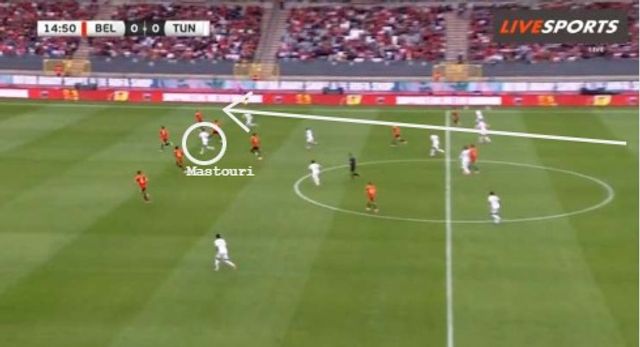
Tunisia routinely lures the opposition's first line of press by splitting centre-backs deep inside their own six-yard box.
Once the opponent commits, the goalkeeper or deep defenders bypass the midfield entirely, launching direct, long vertical balls toward the striker.
The striker's primary role is to win aerial duels, using his physical presence to provide knockdowns for inverted wingers attacking depth.
When play shifts wide, Tunisia relies on crossing volume targeting their striker, complemented by long throw-in routines deep in the final third from Ben Hamida and Arous Adem.
.jpg)
Without the ball, Tunisia relies on a highly rigorous defensive blueprint, but one that presents glaring vulnerabilities against elite transitions.
In the final third, Lamouchi implements a 4-1-4-1 pressing shape. They jump man-for-man, trying to force opponents wide or compel a panicked long ball to secure quick turnovers close to goal. If the initial press is bypassed, Tunisia drops into a remarkably compact 4-4-2 or 4-1-4-1 mid-to-low block.
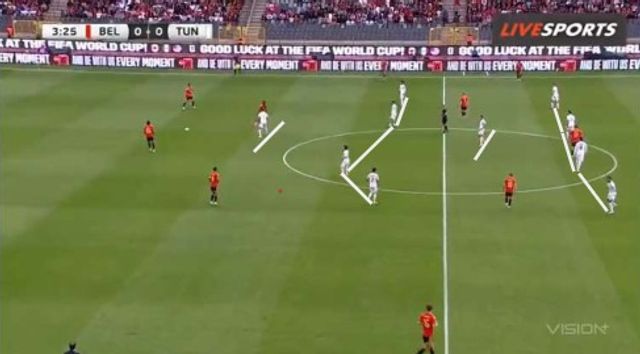
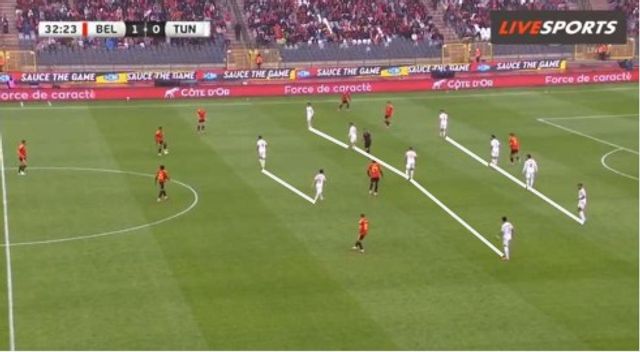
This block prioritises central consolidation, completely plugging the interior channels to funnel opposition progression out wide, where their aerially dominant centre-backs can clear crosses. When pinned deep into their own box, it morphs into a low back-five.
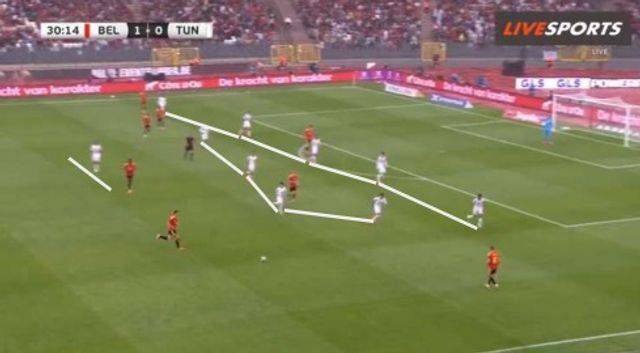
Despite keeping six clean sheets in qualifying, Tunisia's system is susceptible to central overloads. When building in a back-three, a sudden turnover exposes a depleted midfield engine room.
Furthermore, if teams play around their high press quickly, Tunisia's defenders are often slow to get behind the ball, making them highly vulnerable to rapid transition attacks and unforced defensive errors.
CAPE VERDE
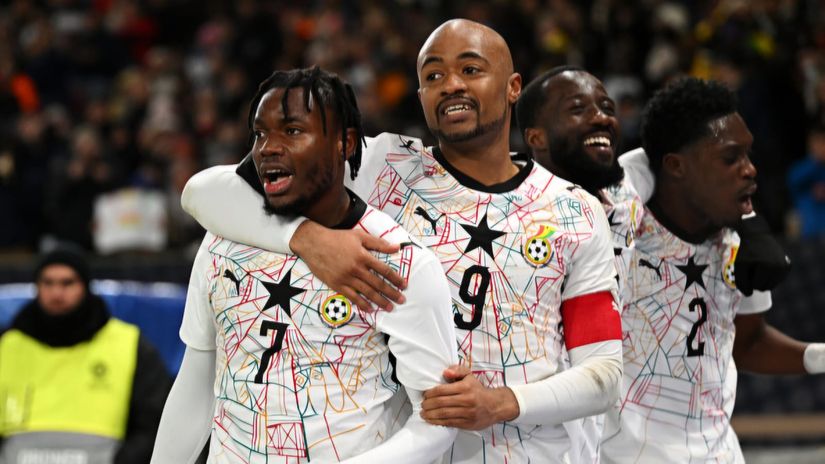
Ranked 69th in the world and 13th in CAF, Cape Verde is making its fairytale World Cup debut in 2026.
The Blue Sharks have emerged as a genuine giant-killer in African football, reaching the quarter-finals of both the 2013 and 2023 Africa Cup of Nations.
.jpeg)
Under the long-term stewardship of Pedro ‘Bubista’ Leitão Brito, Cape Verde topped a qualification group featuring powerhouse Cameroon.
They operate with a highly settled, cohesive squad that has played together for nearly half a decade.
Bubista's team blends sheer physicality with technical, highly explosive attackers.
They enter Group H missing star centre-back Logan Costa due to a season-long ACL injury, meaning their tactical equilibrium must lean even heavier on their attacking transitions.
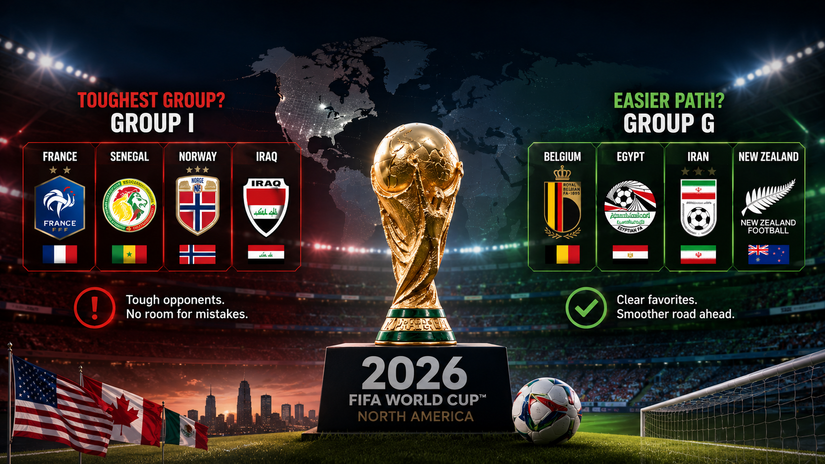
Up front, central midfielder Jamiro Monteiro provides the elite orchestrating technicality, while young forward Dailon Livramento serves as the team's primary weapon.
Blessed with blistering speed, Livramento was their top scorer in qualifying and acts as the focal point for their transitional threat.
Operating primarily within a fluid 4-2-3-1 or 4-3-3, Cape Verde rejects patient possession in favour of explosive, direct vertical play.
They aim to strike in straight lines before an opposition defensive block can organise. The defining feature of Bubista's system is the coordinated positional rotation between the full-back, central attacking midfielder, and the winger.
Cape Verde frequently instructs their full-backs to invert into central midfield spaces during progression, allowing the natural wingers to remain isolated out wide.
Alternatively, the winger will roll inside into the half-spaces, prompting the full-back to burst high and wide. A signature pattern involves the left-back executing a late, dangerous underlapping run into the box, opening up passing lanes directly into Livramento.
With their inherent physicality, Cape Verde heavily prioritises set-play output, utilising intricate short-corner routines designed to shift opposition lines before delivering quick, whipped crosses into the box.
Cape Verde’s defensive philosophy is inherently brave, though occasionally reckless. Unlike Tunisia’s man-oriented trigger pressing, Cape Verde utilises a strict zonal system that starts incredibly high up the pitch.
They seek to condense space and suffocate opponents in their own defensive third. If this line of engagement is broken, they retreat into an athletic mid-to-low block.
During periods of deep defending, Dailon Livramento is intentionally left high up the pitch.
The moment a turnover is secured, Monteiro and the wide midfielders look to instantly combine with Livramento, utilising his pace to exploit the space vacated by advancing opposition full-backs.
Cape Verde's heavy reliance on fluid wide rotations carries immense defensive risk. When full-backs invert or underlap, they naturally leave their defensive zones vacant.
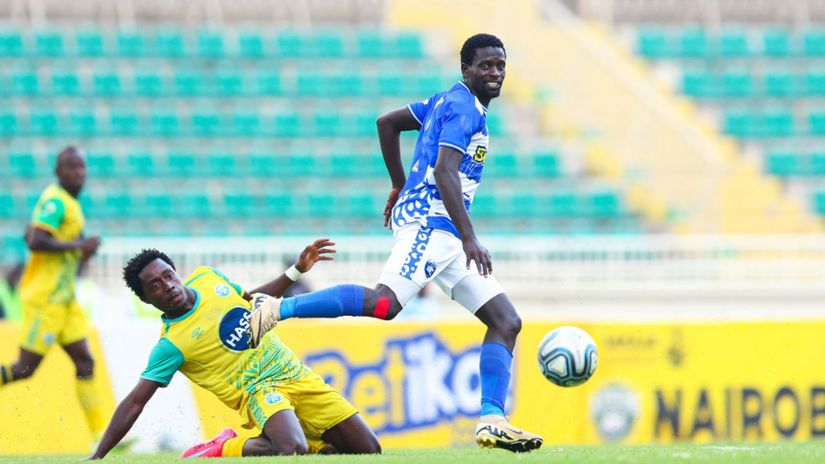
If an opponent intercepts the ball during these rotational phases, the Blue Sharks are easily counter-attacked through the wide gaps.
Additionally, their set-piece defense remains a major concern, having conceded three cheap goals against Cameroon from dead-ball scenarios during qualifying.
Both teams face demanding group stages that will test the absolute limits of their tactical systems.
Tunisia will enter Group F to face Sweden, Japan, and the Netherlands, where their primary tactical challenge lies in preventing midfield overloads and surviving elite transition teams.
Cape Verde is dropped into Group H alongside Spain, Uruguay, and Saudi Arabia, forcing them to focus heavily on controlling defensive spacing during wide rotations and defending set-pieces.
Tunisia's success in Monterrey and Kansas City hinges entirely on whether Sabri Lamouchi can iron out their vulnerability to transitional errors.
If Hannibal Mejbri and the likes of Elias Achouri can find pockets of freedom against world-class midfields, Tunisia's legendary defensive solidity gives them a foundation to finally break their round-of-16 curse.
For Cape Verde, their debut is a free shot at history. Playing against elite footballing nations like Spain and Uruguay, Bubista will not alter his identity so much.
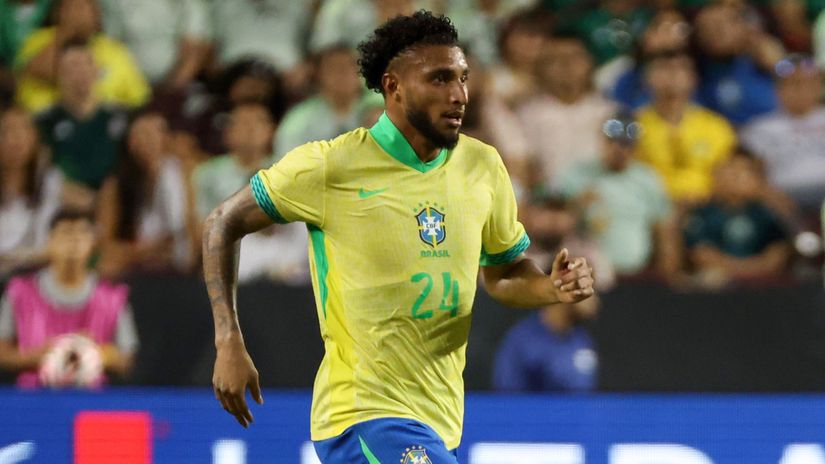
The Blue Sharks will rely on their iron-clad squad chemistry, vertical speed, defensive solidity at the back and the explosive partnership of Monteiro and Livramento to shock the world.
While Tunisia seeks to validate their defensive historical record, Cape Verde arrives to prove that vertical chaos can disrupt the world's established order.