


TACTICAL ANALYSIS: Kenya U20's changed game plan that whitewashed Ethiopia








Reading Time: 4min | Mon. 29.09.25. | 20:37
The Rising Starlets’ game plan across the two matches showcased the adaptability of head coach Jackline Juma
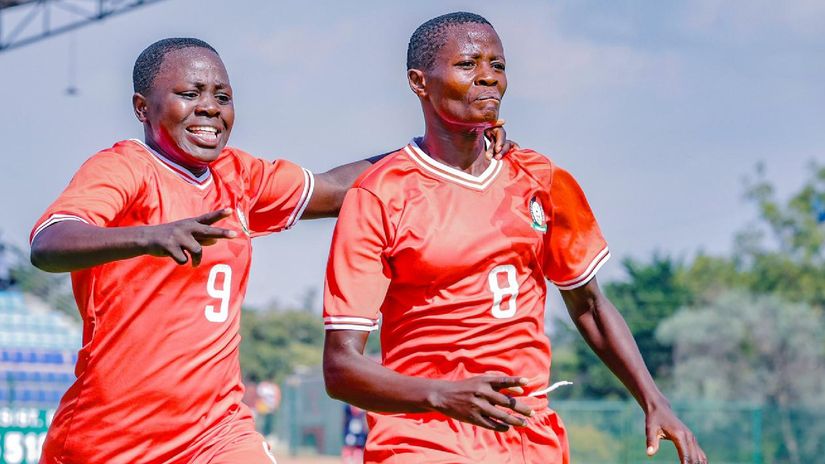
Kenya’s Rising Starlets produced a dominant performance at the Ulinzi Sports Complex, thrashing Ethiopia 4-0 to advance to the third round of the 2026 FIFA U20 Women’s World Cup qualifiers.
Follow our WhatsApp channel for more news
After a 1-1 draw in Addis Ababa, Jackline Juma’s side turned the tie around emphatically at home, displaying tactical maturity and attacking sharpness.
Their reward is a much-anticipated clash with regional rivals Tanzania, who sailed through their tie against Angola with a resounding 7-0 aggregate score.
Tactical Approach Across Two Legs
The Rising Starlets’ game plan across the two matches showcased the adaptability of head coach Juma.
In the first leg away in Ethiopia, Juma set up conservatively, prioritising defensive organisation and relying on quick transitions to minimise the threat of Ethiopia’s ball circulation and space exploitation.

In Nairobi, however, the approach shifted dramatically.
Kenya played on the front foot, making full use of their attacking wide players and two strikers.
The tactical emphasis was on wing play, with overlapping fullbacks and wingers working in tandem to stretch Ethiopia’s defense and deliver dangerous balls into the box.
Lineups and Structure
Kenya lined up in a 4-4-2 formation, making three changes from the first leg.
Christine Adhiambo retained her place in goal despite an earlier costly mistake.
The back four featured Vida Okeyo and Ruth Akinyi as fullbacks, with Lauren Ilovanga and Patience Asiko at centre-back.
In midfield, Rebecca Odato and Pearl Olesi formed the double pivot, balancing ball recovery with progression.
Wide areas were manned by Fasila “Kamama” Odhiambo on the right and Diana Anyango on the left, while forwards Elizabeth Mideva and Valerie Nekesa spearheaded the attack.
.jpg)
Kenya’s Right-sided Dominance
The Rising Starlets built much of their play through the right-hand side.
Unlike the first leg, where long clearances dominated goal kicks, Adhiambo played short to her defenders, initiating build-up play.
Ethiopia’s first pressing line failed to disrupt this, allowing Odato to drop deep and add numbers in the first phase.
From there, Asiko and Ilovanga often looked for outlets on the right, where the combination of Vida Okeyo and Fasila Odhiambo proved relentless.
Fasila’s movement, in particular, was pivotal.
She alternated between hugging the touchline and drifting into the half-space, depending on Okeyo’s positioning.
When Okeyo overlapped, Fasila tucked infield; out of possession, she stayed narrow to protect central areas.
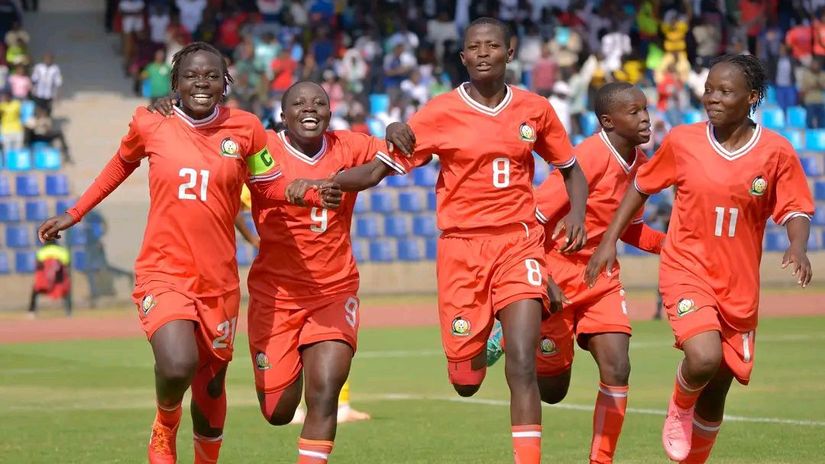
This tactical flexibility made her unpredictable and hard to mark.
In the build-up to the fourth goal, her intelligent positioning in the central channel allowed her to unleash a long-range shot that forced a rebound, which Mideva pounced on to seal the scoreline.
Wing Play as the Game-Changer
All four of Kenya’s goals stemmed from wide-area play.
Both Okeyo and Anyango delivered early crosses into the box, capitalising on Ethiopia’s poor defensive positioning and struggles with aerial balls.
For the second goal, Fasila’s pinpoint delivery found Mideva, who rose above the Ethiopian defense to head past goalkeeper Abeba.
This pattern—early crosses combined with well-timed runs—proved Ethiopia’s undoing throughout the match.
The Strike Partnership: Nekesa and Mideva
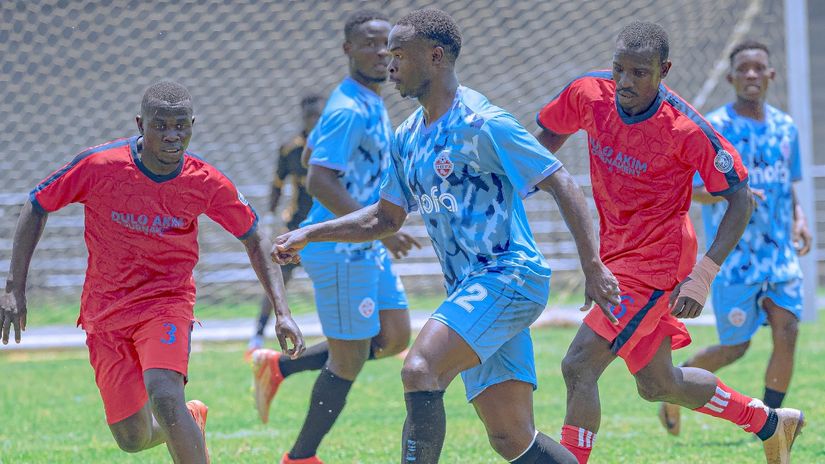
The two forwards gave Kenya a cutting edge that Ethiopia could not contain. Nekesa’s tendency to drop deep dragged Ethiopian centre-backs out of position, creating gaps in the defensive line.
This movement opened channels for Elizabeth Mideva to make clever runs in behind, a tactic that repeatedly exposed Ethiopia’s lack of defensive compactness.
Their coordinated runs ensured Kenya always had a threat running beyond, forcing Ethiopia’s back line into constant retreat and panic defending.
Ethiopia’s Tactical Missteps
In stark contrast to their possession-based play in the first leg, Ethiopia resorted to long balls from goal kicks in Nairobi.
This decision was largely forced by Kenya’s aggressive front-two press, as Mideva and Nekesa cut off short passing lanes.

The long-ball strategy, however, backfired. With Kenya’s centre-backs Ilovanga and Asiko dominant aerially and Odato sweeping up loose balls, Ethiopia rarely managed to sustain pressure in Kenya’s half.
Their lack of composure under Kenya’s press meant they struggled to establish rhythm or meaningful attacking sequences.

The Rising Starlets’ 4-0 victory was a triumph of tactical adaptability and execution.
After playing cautiously in the first leg, Jackline Juma’s side transformed into an attacking powerhouse at home, using wing play, intelligent forward movement, and high pressing to dismantle Ethiopia.
While Ethiopia faltered under pressure, Kenya thrived through cohesion and tactical discipline.
Their ability to vary their approach between legs highlighted a growing maturity in this young side.
With U17 World Cup experience embedded in the squad, the Rising Starlets look well-equipped for the next challenge.
Against Tanzania, the “noisy neighbours,” they will need to carry forward the same blend of defensive stability and attacking fluidity to continue their march toward the U20 FIFA Women’s World Cup.