


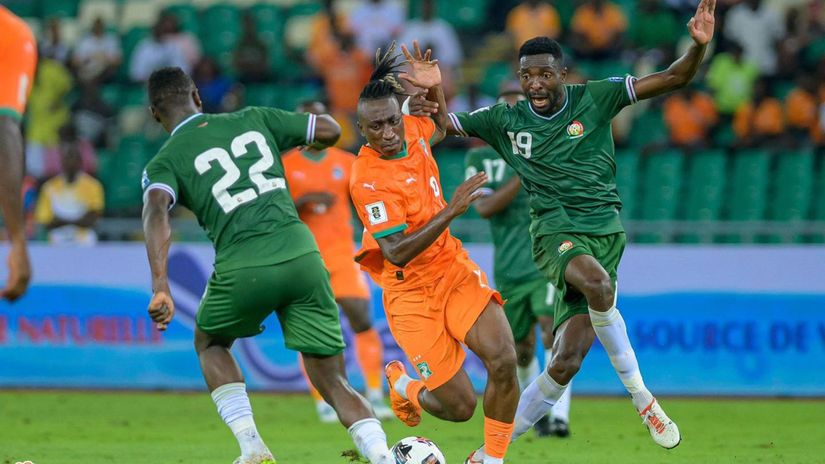
TACTICAL ANALYSIS : How Ivory Coast dismantled Harambee Stars forcing McCarthy to adopt 3 different formations
Reading Time: 5min | Wed. 15.10.25. | 13:37
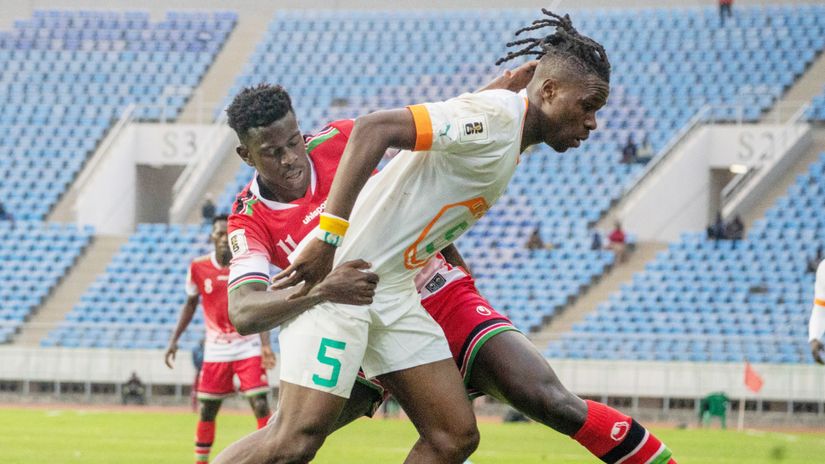
Ivory Coast’s victory was a masterclass in structural balance and wing dominance. Kenya showed tactical adaptability, switching between three formations, but their execution lacked precision.
Reigning African champions Ivory Coast concluded their 2026 FIFA World Cup qualifiers with a resounding 3-0 victory over Kenya at the Alassane Ouattara Ebimpé Olympic Stadium on Tuesday night.
The result confirmed their place at the top of Group F and secured automatic qualification to the 2026 FIFA World Cup, while Gabon, who finished second, will now attempt to qualify through the playoffs.
Follow our WhatsApp channel for more news
It was a night that perfectly encapsulated the tactical discipline, technical excellence, and attacking dynamism that have made the Elephants a formidable force in African football.
Ivory Coast’s wide play—driven by Manchester United’s Amad Diallo and RB Leipzig’s Yan Diomande—proved decisive as the duo tormented Kenya’s defensive structure throughout the match, directly contributing to all three goals.
Ivory Coast’s Tactical Setup and Dominance
Coach Emerse Fae deployed his side in a structured 4-4-2 formation designed to exploit Kenya’s flanks and create overloads in wide areas. Yahia Fofana started in goal, protected by a back four of Guela Doué, Emmanuel Agbadou, Evan Ndicka, and Ghislain Konan.
In midfield, the double pivot of Franck Kessié and Ibrahim Sangaré provided defensive balance and vertical progression, while Diallo and Diomande operated as traditional wingers with the freedom to cut inside.
Nicolas Pépé and Evann Guessand formed the forward pairing, alternating their movements to stretch Kenya’s three-man backline.
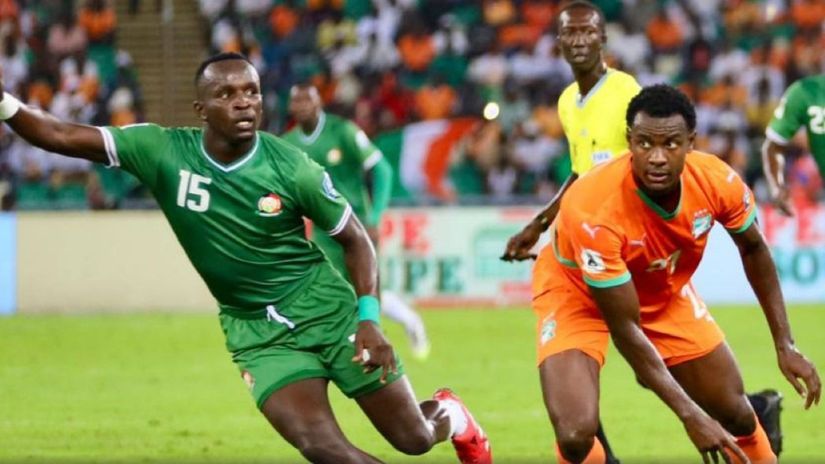
Ivory Coast’s build-up was methodical and efficient. The centre-backs split wide on either side of Fofana, inviting pressure before releasing passes into the wingers. This pattern repeatedly disrupted Kenya’s defensive shape.
The Elephants had a 3v2 overload against Kenya's first line of pressure as the goalkeeper acted as an extra in-field player in possession.
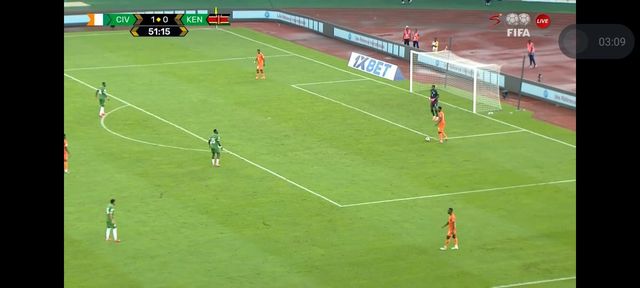 Ivory Coast build up
The Elephants’ first goal exemplified this structure: Agbadou initiated play from the back, finding Diallo on the right.
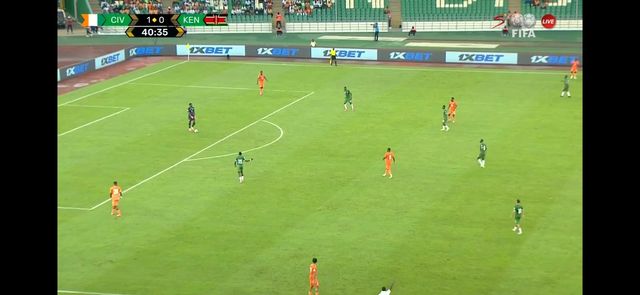 GK as +1 in build up.
The winger dribbled past Manzur Okwaro and squared the ball for Kessié, who finished clinically.
Pépé’s intelligent decoy run dragged Sylvester Owino out of position, creating the space for Kessié’s late arrival into the box.
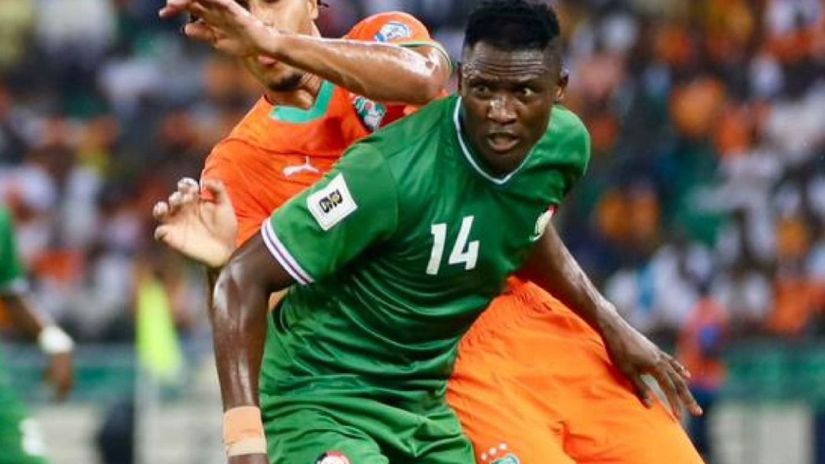
Ivory Coast’s left side was particularly influential. Konan was given license to push forward, combining seamlessly with Diomande in rotations that left Kenya’s right flank exposed.
When Konan advanced, Diomande tucked inside into the half-space, ensuring numerical superiority and control.
Meanwhile, Doué stayed conservative on the right, forming a rest defense with Agbadou and Ndicka to prevent counter-attacks.
Their superior technical ability allowed the Elephants to circulate possession effortlessly.
Kessié and Sangaré controlled central areas, dictating tempo and progressing play under pressure, while Diallo and Diomande constantly isolated their markers, thriving in one-on-one situations.
Kenya’s Setup and Early Struggles
Benni McCarthy opted for an experimental 3-5-2 formation.
Byrne Omondi started in goal behind a back three of Collins Sichenje, Alphonce Omija, and Sylvester Owino.
Daniel Sakari and Manzur Okwaro operated as wing-backs, while Timothy Ouma and Alpha Onyango anchored midfield behind William Lenkupae, who played as the advanced playmaker. Michael Olunga and Ryan Ogam led the line.
In the early stages, Kenya sought to build from the back, with Omija and Owino splitting wide while Sichenje pushed slightly higher.
Okwaro and Sakari provided width, and Lenkupae dropped deep to assist in progression, forming a temporary 4-4-2 shape during buildup. However, this structure faltered under Ivory Coast’s aggressive pressing and wide overloads.
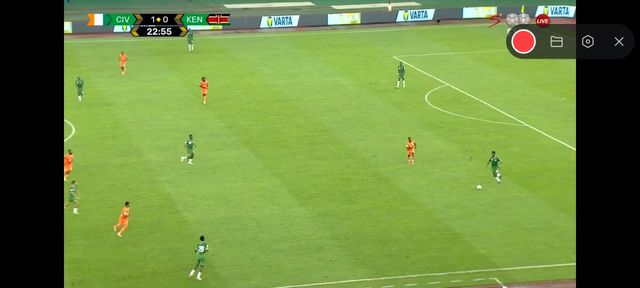 Kenya's build up
Defensively, Kenya dropped into a 5-3-2 midblock, but their distances between lines were inconsistent.
The back three struggled to contain runners from deep, especially as Pépé and Guessand frequently vacated central areas to drag defenders out of position.
.jpeg) Pepe and Guessand dropping lower to destabilise the Kenya backline
Pepe and Guessand dropping lower to destabilise the Kenya backlineThis created gaps for Kessié and Sangaré to exploit. Ivory Coast’s first goal was the direct result of such disorganisation
Tactical Adjustments and Second-Half Developments
After a difficult opening quarter, McCarthy adjusted his setup, switching to a 4-4-2.
Sakari moved to the right back role, Adam Wilson, a half-time substitute, to the right wing, and another half-time sub, Job Ochieng, slotted into the left wing.
This reshuffle improved Kenya’s defensive balance and limited Konan’s forward runs.
The team pressed higher, disrupting Ivory Coast’s buildup and reducing their rhythm.
However, Kenya’s attacking output remained limited due to the poor connection between the midfield and the forwards.
At halftime, with Kenya trailing 1–0, McCarthy introduced Adam Wilson and Job Ochieng for Omija and Onyango, aiming to inject more pace and attacking intent.
Wilson and Ochieng occupied the flanks, while Lenkupae dropped deeper to partner Ouma in midfield. Kenya committed more players forward, but this opened up spaces behind their full-backs—an invitation Ivory Coast’s wingers eagerly accepted.
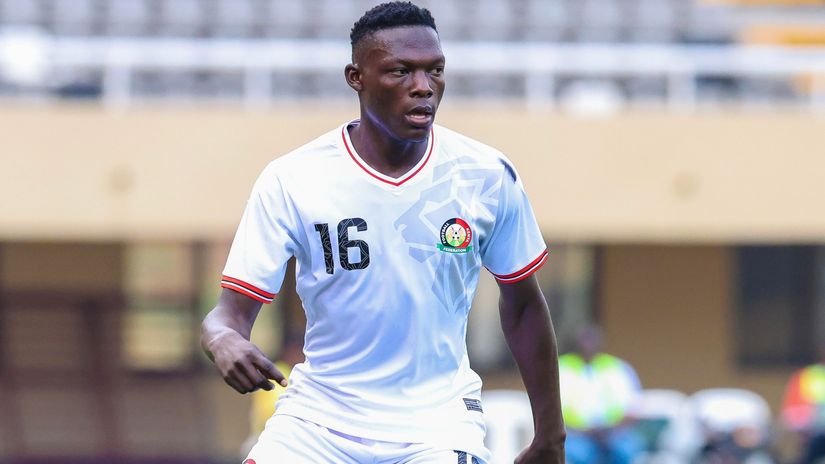
In the 54th minute, Diomande exploited this weakness, receiving the ball in the left half-space before gliding past two defenders and curling a sublime finish beyond Omondi for the second goal.
The move once again showcased Ivory Coast’s wide superiority and positional fluidity, with Konan overlapping to pull defenders out of shape.
Kenya’s midfield also struggled to cope with Kessié and Sangaré’s power and composure.
Recognising this, McCarthy made another tactical change in the 66th minute, introducing Duke Abuya for Olunga and switching to a 4-2-3-1.
Abuya joined Ouma in the double pivot, with Lenkupae pushed higher.
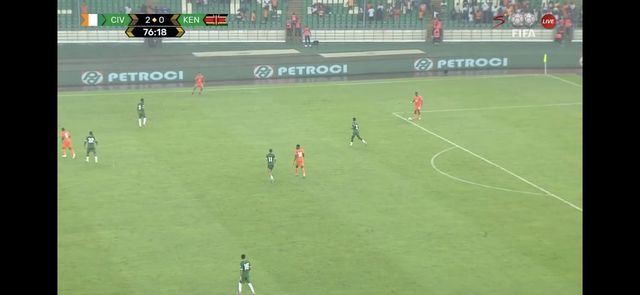 Kenya in a 4-2-3-1 with Ogam leading the line
Later, Austin Odhiambo and Marvin Nabwire replaced Lenkupae and Ouma in the 80th minute, but the substitutions failed to alter the rhythm of the game.
Ivory Coast maintained control, dictating tempo and stretching Kenya’s shape.
In the dying minutes, Diallo capped his stellar display with a brilliant free kick to make it 3–0, sealing a comprehensive performance for the Elephants.
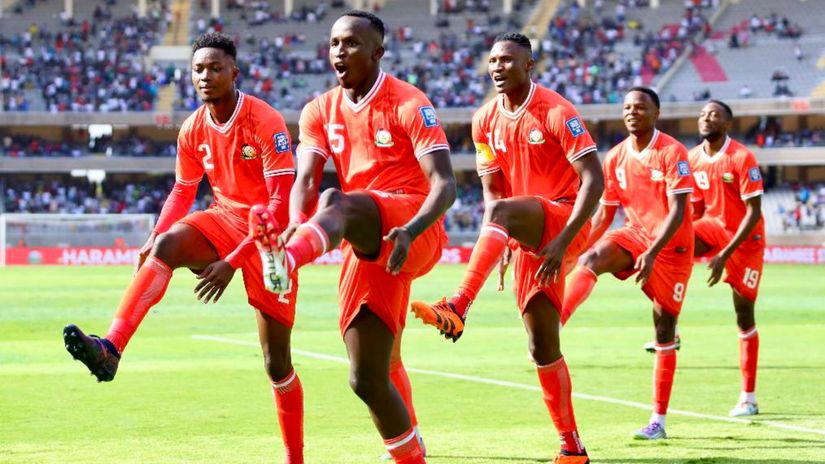
Ivory Coast’s victory was a masterclass in structural balance and wing dominance.
Their 4-4-2 system functioned fluidly, allowing the wingers to dictate the attacking rhythm while maintaining defensive compactness.
Diallo and Diomande were the architects of Kenya’s downfall, combining flair, pace, and intelligence to dismantle the backline.
Kessié’s leadership and Sangaré’s physicality ensured midfield control, while the back four remained composed and disciplined.
Kenya showed tactical adaptability, switching between three formations, but their execution lacked precision.
Their inability to track runners, defend wide areas effectively, and maintain compactness between lines proved costly.
While McCarthy’s in-game adjustments showed tactical awareness, the gulf in quality and cohesion was evident.
Ultimately, Ivory Coast’s superior organisation, technical quality, and exploitation of wide spaces underscored why they topped Group F and qualified for the World Cup.
Kenya’s defeat, though comprehensive, offered valuable lessons on structure, pressing discipline, and defending transitions against elite opponents.