


Six lessons Kenya can pick from recently concluded WAFCON




.jpg)


Reading Time: 4min | Wed. 30.07.25. | 17:00
While Harambee Starlets did not qualify for the 2024 edition, Mozzart Sport looks at six lessons Kenya can learn from the championship
Following the conclusion of the highly successful 2024 Women's Africa Cup of Nations (WAFCON), there are plenty of lessons for Kenya to learn, with six of them being key.
Follow our WhatsApp channel for more news
The delayed 2024 WAFCON was held from Saturday, 5 to Saturday, 26 July in Morocco - the second consecutive time that the North African nation hosted the tourney.
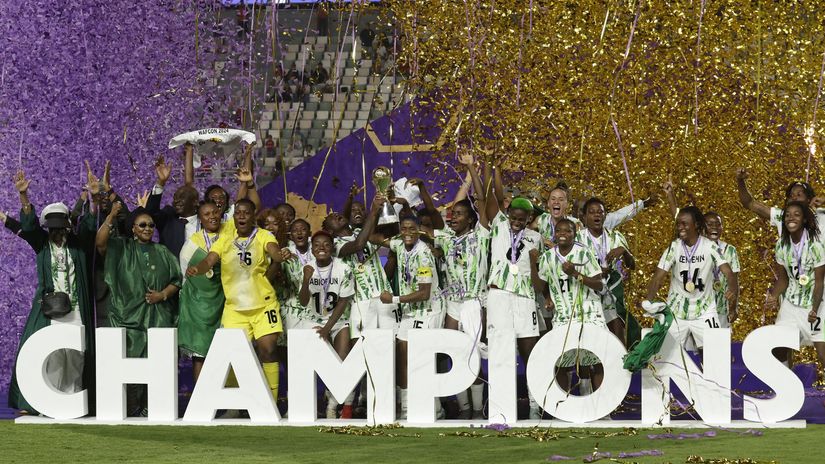
In the end, Nigeria emerged as the winners after defeating hosts Morocco 3-2 in the finals following a remarkable second-half comeback to recover a two-goal deficit at halftime.
.jpg)
The title was Nigeria's 10th in the biennial continental tournament, where they have also reached the semi-finals 12 times in the 13 times that the tournament has been held.
While Harambee Starlets did not qualify for the 2024 edition, Mozzart Sport looks at six lessons Kenya can learn from the championship.
Invest in Infrastructure
Kenya needs to invest more in sporting infrastructure in order to improve the quality of football in the country.
There was a clear disparity between the sporting infrastructure at the 2024 WAFCON Morocco edition and what is available back home.
While Kenya was grappling with having at least two CAF-approved stadia for about two years, forcing our national teams to host home matches beyond borders, sporting infrastructure is not a problem in Morocco.
Morocco has at least nine CAF-approved stadia and is still constructing a brand new 115,000-seater Grand Stade de Casablanca as part of the country's vision to co-host the 2030 World Cup.

The country is also renovating the 68,000-seater Stade Moulay Abdellah in Rabat, which is expected to be completed by December 2025.
In fact, the sporting infrastructure in Morocco is so good that the WAFCON final was held at Stade Olympique de Rabat - An annex stadium of the larger Prince Moulay Abdellah Stadium, a supposed equivalent of Kasarani Annex.
The final venue is not even among the top five biggest or best stadiums in Morocco, but it was good enough to host a WAFCON final.
With the country boasting numerous CAF-approved training grounds in different cities, it is easier for their football to develop, and that is one area Kenya must learn and improve on.
Strengthen Governance and Financial Structures
Kenya must strengthen its governance and financial management structures if the country is to regularly compete, if not regularly host, such tournaments.
The numerous cases of poor governance and financial misappropriation that have led to, among others, government interference, resulting in a FIFA suspension, must be avoided at all costs.
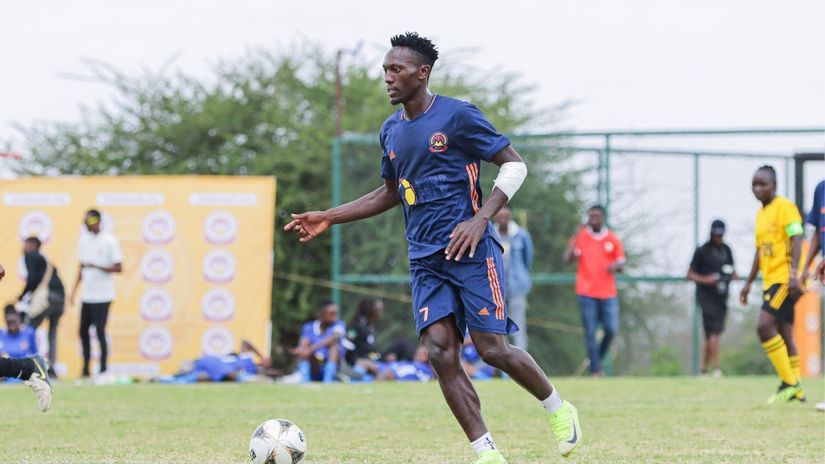
From how teams competed to the organisational structure within the tournament, and especially from the host country, one could easily notice proper governance behind such top organisations.
The current FKF administration must leverage the goodwill from both Kenyans and other stakeholders to build a lasting governance structure that would provide an enabling environment for women's football to thrive.
Increase International Match Exposure
While there are commendable steps towards that front, Kenya must continue to increase and expand its international match exposure in order to ensure players are ready for such high-level competitions.
The country has demonstrated in the past that it has the rare talent and the ability to compete against Africa’s best teams, if only Kenyan teams had more international exposure through high-profile friendlies and international programs for players.
During Morocco's 5-1 victory over Harambee Starlets in June, it was evident that Kenya was lacking in international exposure, but again, it is through such matches that the country can clearly gauge where they stand.
Enhance coaching and tactical flexibility
The tournament revealed the demand for enhanced coaching and tactical sophistication in modern African football.
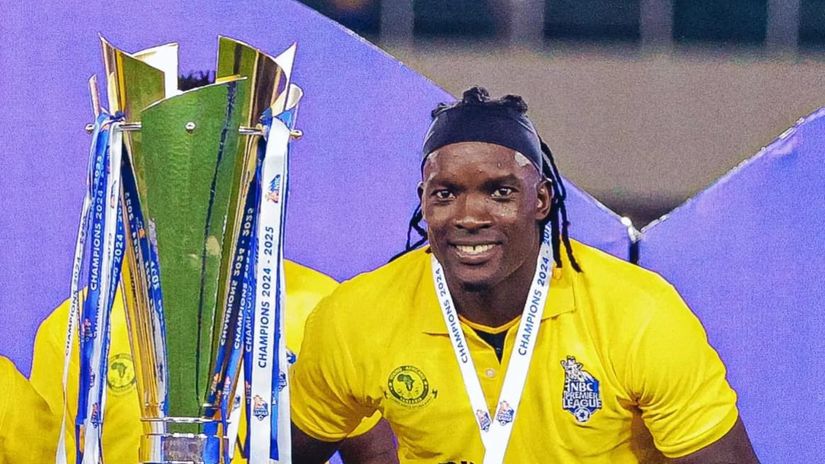
The tactical prowess and advanced coaching were depicted in the tournament as teams kept changing formations, approaches and styles of play seamlessly in order to overcome the challenges they were facing.
One such scenario was the second-half tactical masterclass by Nigerian head coach Justine Madugu to limit the Moroccan attacks by compacting the midfield and having more lethal wingers to prevent Moroccan defenders from overlapping.
In the end, Madugu was able to produce a second-half comeback and overturn a two-goal halftime deficit to win the trophy.
In such big occasions, Kenyan coaches would be expected to be that flexible and technical, thus calling for more advanced training.
Invest in Youth Development and Player Pathways
The path to developing talents has remained unchanged for centuries. Investment in youth development and providing proper player pathways has always paid great dividends.
Instead of waiting and hoping to have a few players working on their own and then being tapped to the national team, Kenya must improve its investment in youth development.
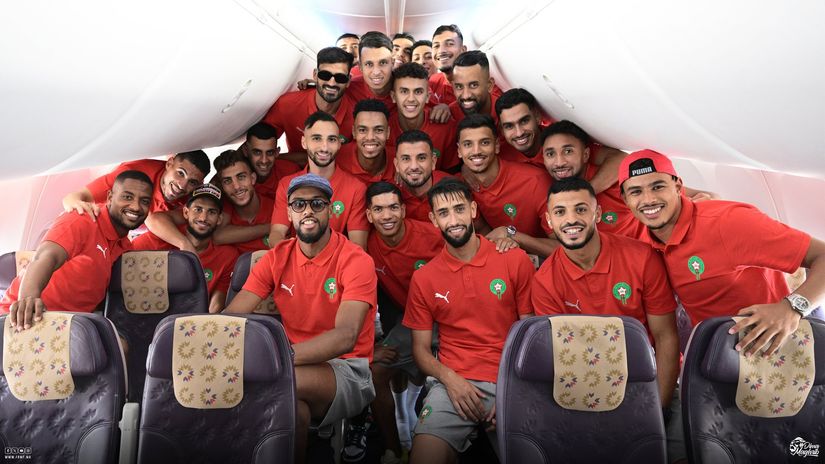
Kenya must therefore build on the recent 2024 U17 World Cup success to continue investing in grassroots football for early development of talent through structured pathways in order to have a supply across all stages of the team.
Media and Sponsorship
The use of media to improve football can never be underestimated. The media plays a major role in publicising and amplifying the game, setting the agenda as well as providing checks and balances.
A strong partnership with the media, as well as continued pursuit of sponsorship to help in improving the game, would do great in improving Kenyan football.