


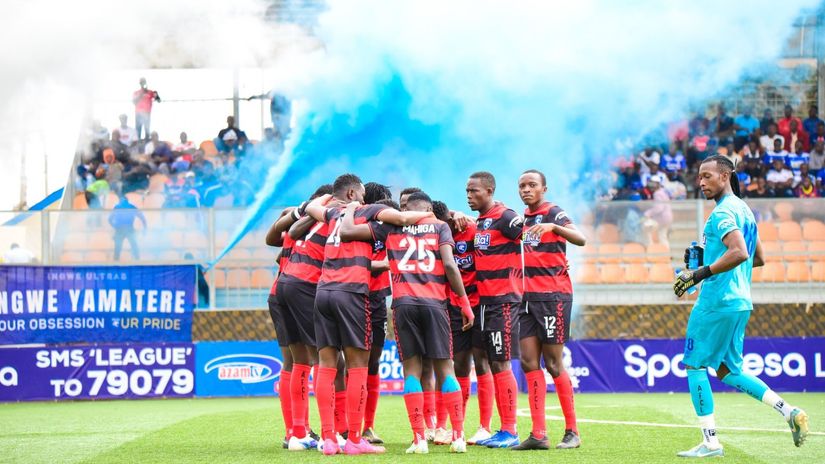
How ethnic divisions are stifling AFC Leopards - former Harambee Stars forward details



Reading Time: 3min | Wed. 08.10.25. | 08:10
The 1990s Harambee Stars striker, who also starred for Mumias Sugar FC, joined Leopards’ management when the team was languishing in 14th place
Former Harambee Stars forward Bernard “Emboko” Onyango has lifted the lid on what he calls the biggest obstacle standing in the way of AFC Leopards’ return to glory.
Follow Our WhatsApp Channel For More News
In an exclusive interview with Mozzart Sport, the former Leopards team manager argued that the 12-time FKF Premier League champions remain chained by internal wrangles largely driven by sub-tribal rivalries among their supporters.
“AFC Leopards is a very big club and it can do wonders,” Emboko said. “But the problem is with us, Luhyas.”
The 1990s Harambee Stars striker, who also starred for Mumias Sugar FC, joined Leopards’ management when the team was languishing in 14th place.
"In my first year as team manager, we finished fifth, and in the second year we ended up second,” he recalled.
“But the progress was never enough because of the divisions.”
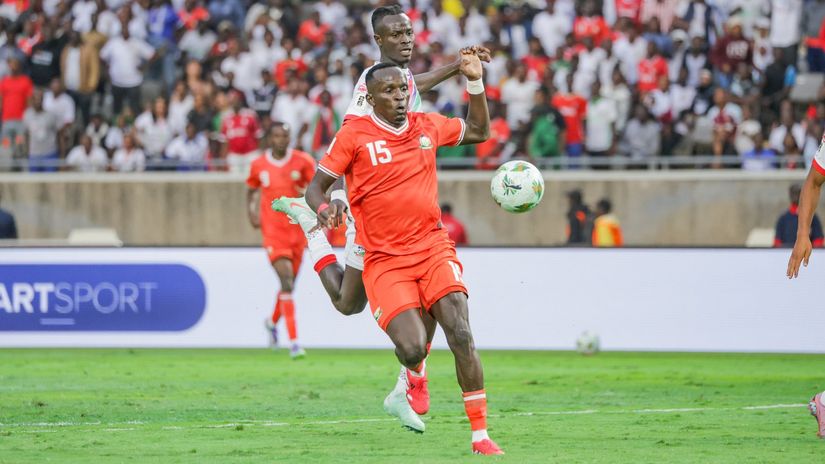
Founded in 1964 as Abaluhya Football Club, a merger of several Luhya-based sides, Leopards enjoyed their golden years in the 1980s, winning the league unbeaten in 1986 and 1988.
Their last league title came in 1998, and since then, the club has endured long spells of instability.
According to Emboko, the club’s broad Luhya following, often viewed as a source of strength, has also become its biggest weakness.
"We are 17 sub-tribes, and they are divided into four blocs. The moment one group wins leadership, the other gang up to oppose. There is no patience, and the pressure comes from within.”
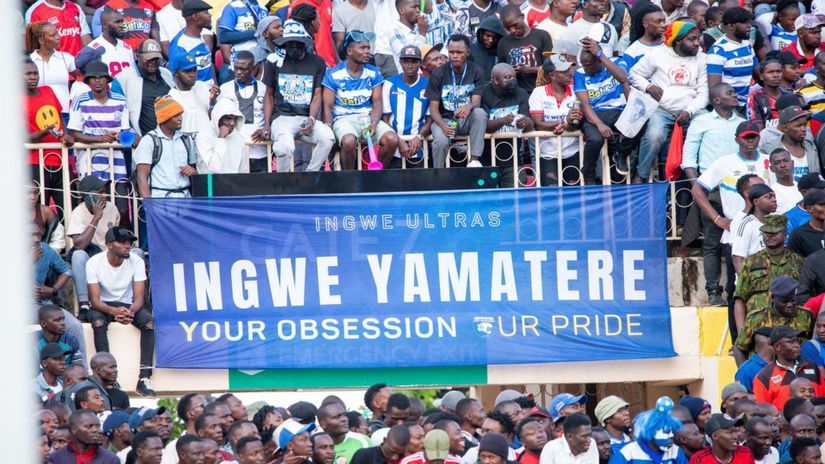
He went on to name the factions he believes fuel the infighting.
“You have the Busia people who work with Mumias, Butere and Bunyore, that’s one block. Then there’s the Bukusu, who push their own when in charge.
The Maragoli, often supported by the Tiriki, get opposed by the rest when they take over. And then there are the Kakamega people, who claim they own the team.
When each group gets power, the others resist; it becomes a cycle of revenge.”
Emboko, who served under former Dutch coach Jan Koops, claims these divisions have often spilt over to interfere with technical decisions, sometimes even turning violent.
“They will even fight the technical bench, pushing to have people sacked. As a team manager, I once received gun-shot threats. I have OB numbers in several police stations because they told me to leave the team since I am not a Luhya,” he revealed.
He urged the club’s faithful to unite and give leaders and coaches time to work.
"The in-house fighting has to stop. Leopards have the talent, the history and the support to win titles again, but not if we keep pulling in different directions.”