


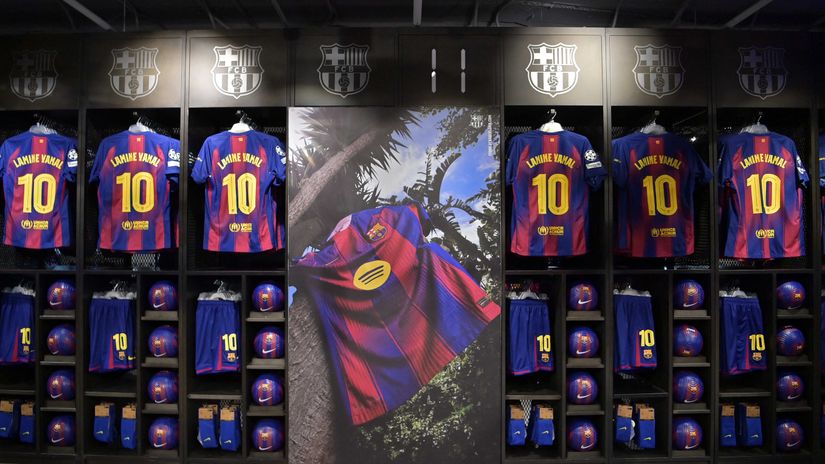
Barca sign 40 million deal with DR Congo
.jpg)
Reading Time: 4min | Wed. 30.07.25. | 22:12
This African county is trying to replicate Rwanda, who has a similar deal with Arsenal
The Democratic Republic of the Congo ranks among the lowest on the United Nations Human Development Index. More than 70 percent of the population lives below the poverty line, access to education and healthcare is limited, and according to World Bank data, hundreds of thousands of children die each year from diseases that have long been curable in developed countries. It is estimated that over 23 million people suffer from chronic hunger (in a country with 106 million inhabitants), while medical facilities in many regions lack even the most basic working conditions—such as electricity, water, or medicine.
Barcelona have announced a new four-year strategic partnership with the DR Congo government
— ESPN Africa (@ESPNAfrica) July 30, 2025
The deal will see Barça launch sports programs for children in the region including football, basketball, handball, futsal and more, focused on structured and inclusive development 👏 pic.twitter.com/ffDIjNqDIl
Against this grim backdrop comes news from Spain: Barcelona and the government of the Democratic Republic of the Congo have reached an agreement worth around 44 million euros to promote tourism in the African country through the slogan "RD Congo – Coeur de Afrique" ("DR Congo – Heart of Africa"), which will be featured on the back of the training gear of all professional teams of the famous club. The partnership will last until the summer of 2029, and DR Congo will become a global partner of Barca. On paper, it's a humanitarian, cultural, and sports mission: promoting peace, sports, and culture; training young talents; developing sports programs; exchanging knowledge through the "Barça Innovation Hub"; and opening the House of DR Congo in the new Espai Barca complex. It all sounds like a fairy tale. But in reality?
Even the country’s name—Democratic Republic of the Congo—sounds like a bitter joke. A name that promises popular rule and freedom, while hiding decades of systemic corruption, authoritarian tendencies, and brutal repression. "Democratic," yet elections are often a farce. A "Republic," yet the people rarely have any say. In a country where immense natural wealth goes hand in hand with political repression, the name is more of a mask than the truth, serving as a facade for international visitors and marketing campaigns. And that very wealth—massive reserves of cobalt, copper, diamonds, gold, and rare minerals—has for decades served as bait for foreign powers and multinational corporations.
While the people live in poverty, Western consortiums extract the minerals that power mobile phones, cars, and modern technologies. The colonial mindset never really left Congo—it just dressed up in corporate partnership suits and now signs documents in English or French. Resources that could empower a nation end up in the pockets of elites and foreign investors. Instead of development, there is pillaging disguised as progress. It reads like a chapter from the manual “How the Poor Fund the Rich.” One of the poorest countries in the world, with deep social wounds, political instability, and crumbling infrastructure, decides to allocate tens of millions of euros from its budget so a tourism campaign logo can appear on the shirts of football stars.

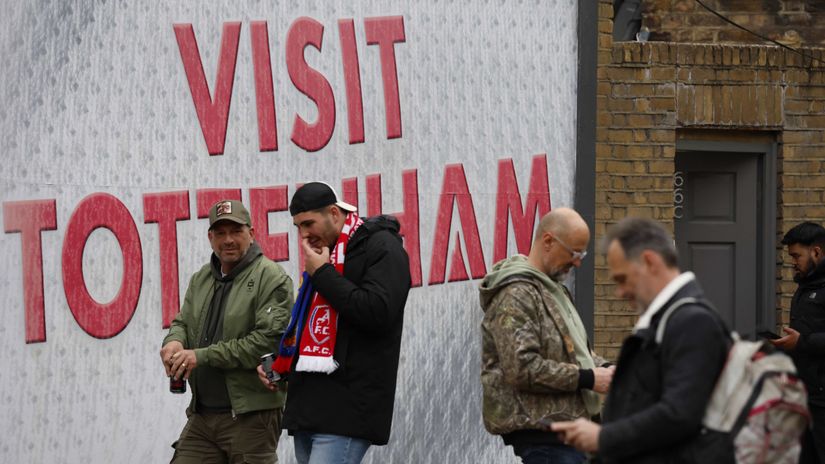
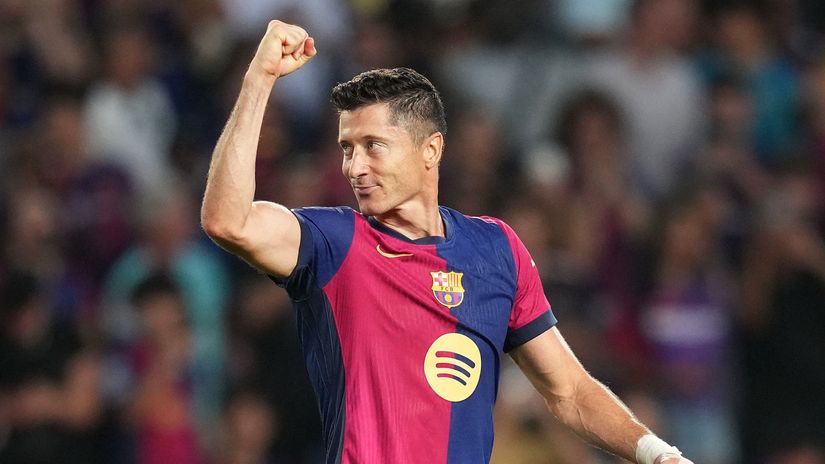
Sound familiar? Yes—Rwanda already did this with Arsenal, where "Visit Rwanda" has been printed for years. Around 30 million dollars a year was spent on that, while at the same time, hundreds of thousands of children lacked access to basic education, clean water, or essential healthcare. The same question now looms over Kinshasa: Who benefits from promoting luxury while there’s no bread at home? In practice, such moves by governments of developing nations—be it Rwanda, Congo, or others—represent attempts at "soft power" and strategic positioning. But to the average citizen, it's a cynical scene: leaders flaunting public funds so their country’s name can appear on the backs of Ferran Torres and Pedri.
Barca, of course, sees nothing wrong, and they won’t ask where it comes from, under what conditions, or at what cost. As long as the logo shines on camera, everything is fine. Moral inconsistency has become structural here. Double standards prevail. Big clubs give speeches about equality, education, and children’s rights, while at the same time, without blinking, they accept money from a system where children don’t even have the basic right to survive. European institutions pat African leaders on the back for "investing in sports and education," even though they know those investments are shallow and politically motivated. Global brands stay silent—no one wants to disturb the market.