


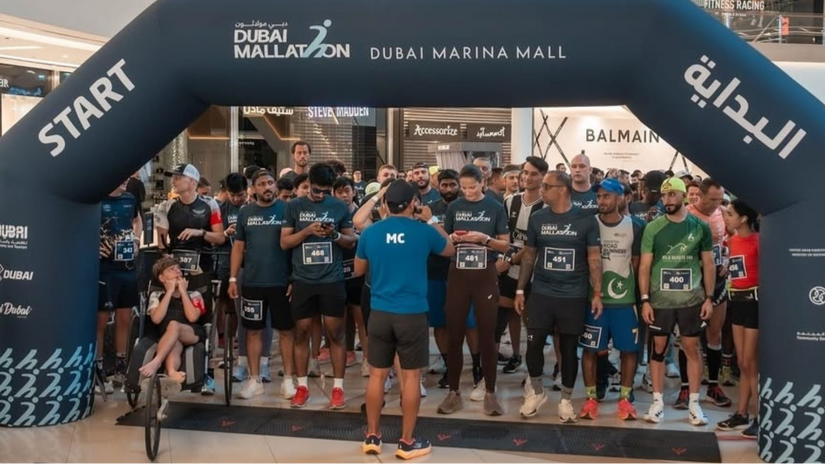
Why Dubai athletes are racing in shopping malls




.jpg)


Reading Time: 2min | Wed. 13.08.25. | 18:51
Prolonged exertion in high temperatures can trigger rhabdomyolysis, where muscle breakdown harms the kidneys
United Arab Emirates (UAE) is in the grip of one of its hottest summers on record. UAE posted its hottest April ever, and the country went on to break its May temperature record on two consecutive days.
In early August, thermometers hit 51.8°C, just shy of the nation’s all-time high of 52°C.
Follow our WhatsApp channel for more news
With outdoor training now posing significant health risks, the UAE government has launched an indoor running initiative inside Dubai’s shopping malls.
The concept makes use of the malls’ air conditioning and quiet morning hours, offering athletes and fitness enthusiasts a safe, climate-controlled space to complete their daily runs and weekend races.
The free program runs throughout August, when average daily highs hover between 40°C and 50°C.
For instance, on Saturday, 9 August, more than 500 participants wearing “Dubai Mallathon” T-shirts took part in 2.5K, 5K, and 10K races through City Centre Mirdif mall. The event featured a group warm-up, and every finisher walked away with a medal and a goodie bag.
In total, nine city shopping centres have opened their doors to runners and walkers in a bid to keep residents active for at least 30 minutes a day, even during the peak of summer heat.
The move comes amid growing awareness of the dangers of exercising in extreme heat, with real-life examples showing just how risky it can be.
During the 2019 Doha World Athletics Championships, several marathon runners, including Olympic champion Jemima Sumgong, collapsed or failed to finish due to extreme heat and humidity despite the race being held at midnight.
Common risks include heat exhaustion, where the body overheats and causes dizziness, nausea, and weakness, and heatstroke, a life-threatening emergency marked by confusion, seizures, or unconsciousness.
Dehydration and electrolyte imbalance from excessive sweating can lead to cramps, irregular heartbeat, and reduced performance, while cardiovascular strain forces the heart to work harder, increasing fatigue and the risk of collapse.
In severe cases, prolonged exertion in high temperatures can trigger rhabdomyolysis, where muscle breakdown harms the kidneys.