


Sports scientist explains how doping athletes can be identified in training camps

.jpg)

.jpg)
.jpg)

Reading Time: 3min | Tue. 05.08.25. | 17:33
Since 2015, nearly 300 Kenyan athletes, mostly long-distance runners, have been banned
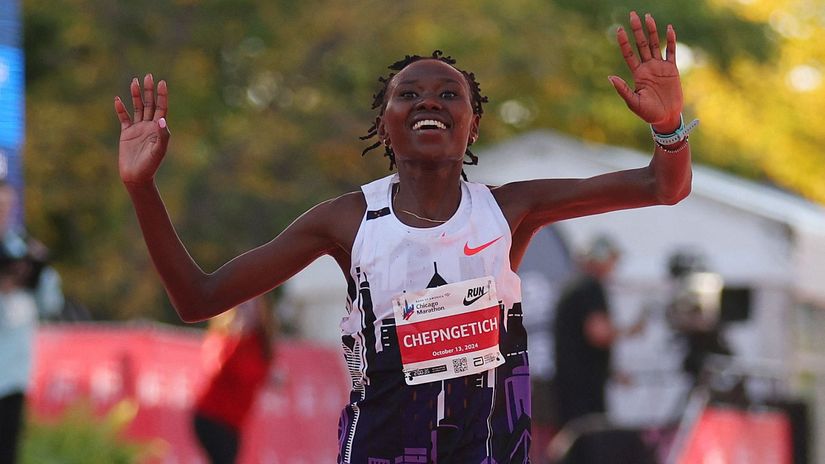
The athletics world is still reeling from the provisional suspension of world marathon record holder Ruth Chepng’etich, who tested positive for hydrochlorothiazide (HCTZ), a banned diuretic and masking agent, in a sample collected on Wednesday, 14 March.
Follow our WhatsApp channel for more news
The Athletics Integrity Unit (AIU) announced the suspension on Thursday, 17 July, noting that Chepng’etich had voluntarily accepted a provisional ban in April while investigations continued.
A formal Notice of Charge has since been issued, and her case now awaits a hearing at a Disciplinary Tribunal.
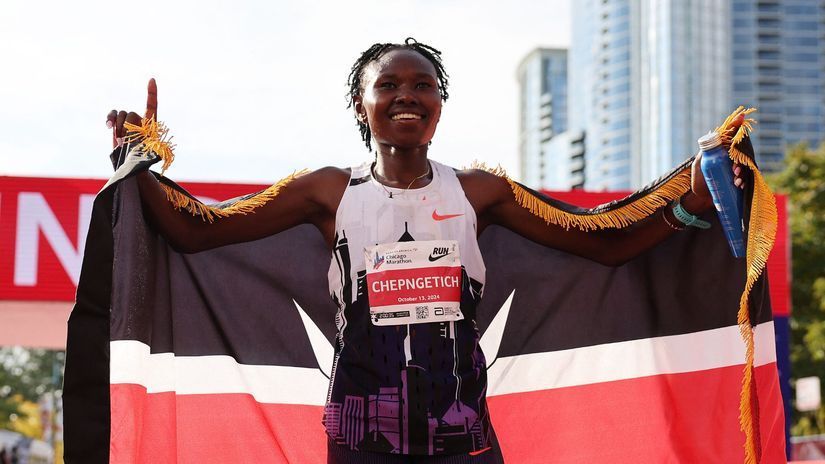
Chepng’etich’s fall from grace is particularly striking. Just months earlier, she stunned the world at the 2024 Chicago Marathon by becoming the first woman to run under two hours and 10 minutes, clocking 2:09:56.
She also competed at the Tokyo 2020 Olympics (held in 2021) and was slated to run the 2024 London Marathon before withdrawing due to concerns over her form.
Her case joins a growing list of high-profile Kenyan athletes sanctioned for doping in the past decade, including Wilson Kipsang, Jemima Sumgong, Abraham Kiptum, Daniel Wanjiru, Asbel Kiprop, and Elijah Manangoi.
Since 2015, nearly 300 Kenyan athletes, mostly long-distance runners, have been banned.
Kenya’s fight against doping intensified in 2016 with the formation of the Anti-Doping Agency of Kenya (ADAK), following the country’s close brush with exclusion from the Rio Olympics.
However, according to sports scientist Dr. Kipchumba Byron, prevention can start long before official sanctions, right inside the training camps.
Dr. Kipchumba, who works with athletes in Iten, says there are subtle behavioral and physical signs that can alert coaches and scientists to possible doping.

"In camp, you know each athlete’s limits. If someone suddenly trains longer without fatigue, we question where that extra energy comes from. Avoiding teammates, skipping sessions, or faking injuries are also red flags,” Kipchumba offered.
The camp conducts blood tests every three months, tracking markers like red blood cell count.
"If the numbers are unusually high, investigation is done because camp owners already know athlete's diets. Some try to avoid testing by going home often, or refusing to see recommended doctors," he continued.
For the out-of-camp athletes, the main challenge is that athletes are requesting supplements without adhering to the laid out procedures, while there are certified clinics to offer guidance.
"Many avoid clinics because they are expensive, or they fear a lack of confidentiality. But over-the-counter medication offers no confidentiality either," he noted.
While coaches and support staff can be punished if proven to have aided doping, the anti-doping rules place the primary responsibility on the athlete.
"Anything in your system, whether injected or taken orally, is your responsibility. If you win clean, we all celebrate. If you dope, you face the consequences alone," he concluded.