


 T. Nashipae
Government to set up first-ever anti-doping lab in Uasin Gishu




.jpg)



Reading Time: 2min | Sun. 15.01.23. | 19:47
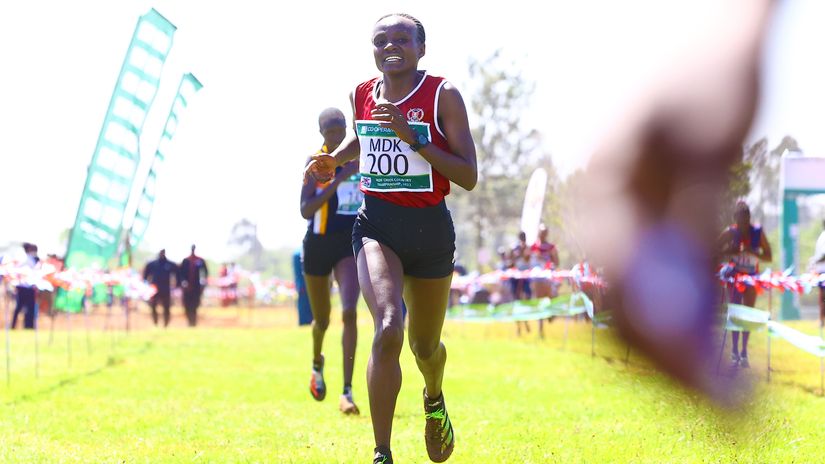
Cases of doping are threatening to soil Kenya's rich athletics history
The Kenyan government through the Kenya Medical Research Institute (KEMRI) in conjunction with the County Government of Uasin Gishu is set to establish the first-ever Anti-Doping Facility in Eldoret.
According to Professor Elijah Sonkok who is in charge of KEMRI Graduates training and capacity building, KEMRI together with the Ministry of Sports together with the Anti-doping Agency (ADAK), and other agencies had identified a location for the facility and were working to ensure it kicks off within the next six months.
“There is an emerging issue of national priority which we in KEMRI have been tasked to see that we can work on. As you are aware, doping is becoming an international concern, and it is embarrassing. The government has taken a firm stand to see how it can deal with doping. The ministry of sports has reached to other departments of the government to reduce this menace to restore our image.”
Dubbed the first-ever accredited anti-doping facility in the East African region, KEMRI says that the facility will go a long way in saving costs for Kenya, which has been forced to take athletes’ samples for testing in other countries like South Africa and Germany, which is also time consuming.
“Before athletes go for competitions, they have to take their urine and blood samples for testing. The biggest problem that we have is samples are taken from this country, and sent to other countries sometimes outside Africa and nearest South Africa. This is a concern because it is very expensive for the country. KEMRI has been approached because of the expertise and facilities we have and we came here to have consultations with the Uasin Gishu county government to locate that laboratory here.”
Professor Elijah also revealed that athletes needed support and guidance to ensure that what they consume in the form of food, supplements or medicine is free from performance-enhancing substances.
“We will do research to inform athletes on the type of supplements they should or should not be using because there has been no assessment of the particular drugs, over the counter supplements that athletes take without knowing and they later affect them.” He disclosed.
So far, 55 athletes have been banned and eight provisionally suspended for doping. The government recently allocated a whooping Kshs 3 billion shillings to help curb the doping menace. The Anti-Doping Rules of World Athletics categorize Kenya as category A, which requires athletes to submit to a minimum of three no-notice tests.