


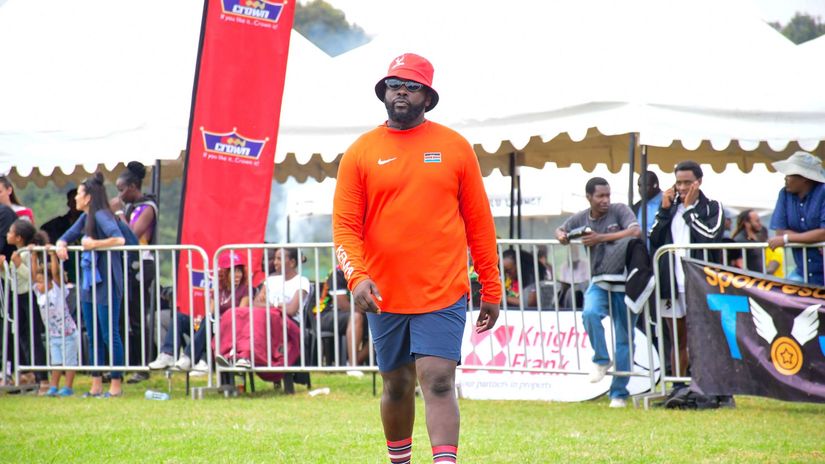
Louis Kisia admits to being hurt by Kenya Sevens selection criticism


Reading Time: 4min | Tue. 12.08.25. | 17:44
Murunga, who last year guided Quins to their first National Sevens Circuit title since 2012, questioned why not a single Quins player was selected
Kenya Sevens assistant coach Louis Kisia has jumped to the defense of national team selectors following a wave of criticism over perceived bias in player selection.
Follow our WhatsApp channel for more news
The storm began in June when the Kenya Morans’ team for the Africa Men’s 7s assignment was named. Things escalated on Sunday, 22 June, when former Kenya Sevens coach Paul Murunga publicly questioned the omission of Kenya Harlequin players from the squad.
Murunga, who last year guided Quins to their first National Sevens Circuit title since 2012, questioned why not a single Quins player was selected.
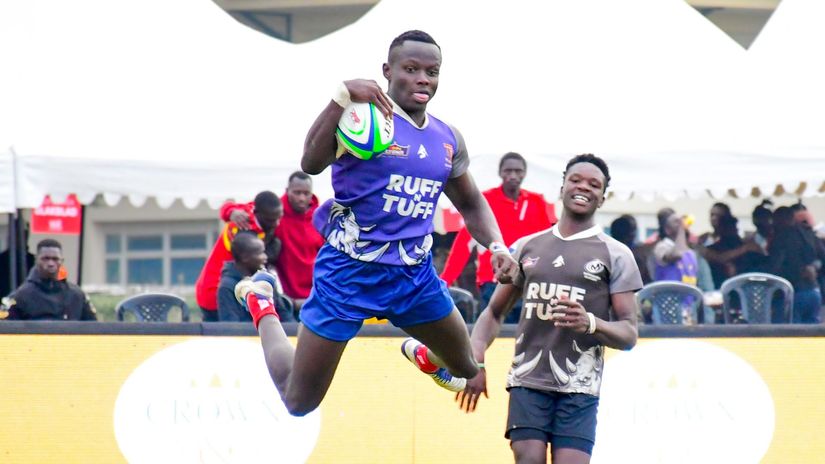
His concerns came after Morans lost 14-10 to a six-man Madagascar in the semifinals. The result saw them drop to the third-place playoff, where they lost to Zimbabwe, finishing fourth in the tournament.
Speaking to Mozzart Sport, Kisia, who played for Mwamba RFC for 16 years, alongside the likes of Humprey Kayange, Collins Injera, and Lavin Asego, insisted that selection must be based on performance and not emotion.
With the National 7s Circuit in full swing, Kisia urged players to bring their A-game to the field if they hope to catch the selectors’ eye.
“Sometimes it hurts when politics creep into the team, but at the end of the day, the floor is open. The circuit is here; if you want to play, raise your hand, and when called, deliver. It all comes down to systems and hard work,” he averred.
He stressed that earning a place in the national team demands peak performance, where even the basics, such as executing simple passes, should come effortlessly.
“You can’t be coached on how to play for the national team. If you’re given a simple passing drill, from point A to point B, and you can’t execute it, that’s how you get dropped. We can’t please everyone,” he continued.
.jpg)
He went on to note that the technical bench also has Key Performance Indicators (KPI’s) to meet, so naturally, they must select the best players available for upcoming national assignments.
“We aim to pick the best. The technical bench has KPIs to meet, including maintaining our core status. So what do we do? We select the best players for the series.
The more they play, the more experience they gain, and naturally, it becomes harder for local players without that exposure to take those positions.
Look at anyone who has trained and played with Kenya 7s, you’ll see a different brand of rugby altogether,” he explained.
But does the social media criticism affect him?
“The answer is no. I’m a stickler for rugby’s core values, especially integrity. If my conscience is clear and I know I’m doing the right thing, I don’t look over my shoulder.
_(1)_(1).jpg)
Selections are never about favouritism; they’re based on merit and team needs, not wants,” he answered.
Kisia further explained that there are also players with active national team contracts, and that it is impossible to terminate these deals since the players put in the work during training, even if they sometimes fail to replicate the same level of performance during matches.
“You might be the best winger around, but if we already have wingers and what we need is a forward, we won’t bring you in. These players have contracts.
Why terminate the deals of those performing in training and games just to replace them? The national team is not a quota system,” he offered.
The tactician is speaking from a point of experience, having been a player himself. He acknowledged that he understands the disappointment of missing out on a national team call-up, but as a coach, he has come to terms with the reality that he cannot please everyone.
“I’ve been on the other side. When I was at Mwamba, we dominated the National 7s Circuit, but I was never called to the national team. I was mad about it.
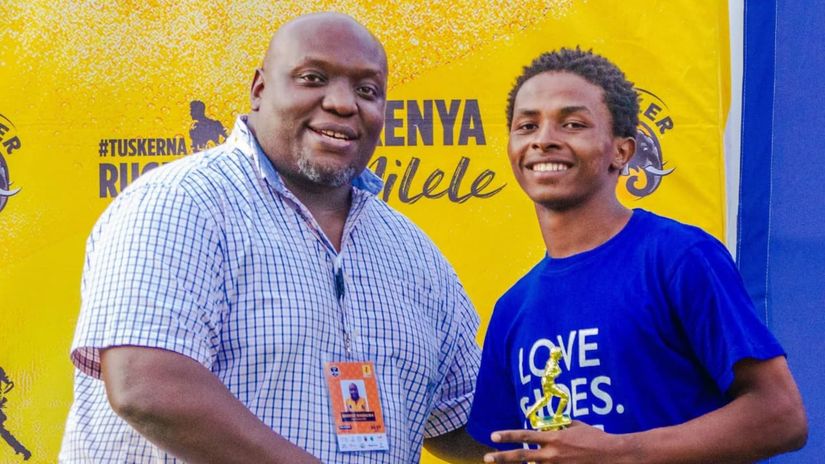
A few of my teammates got call-ups, but not all made the squad; only the likes of Injera, Asego, Kayange, and Otieno played regularly. Ombachi left, joined Nondies, and later retired,” he said.
“I remember in Hong Kong, someone once wrote that players paid coaches to be in the squad. It hurt, and I showed Bling. He told me to ignore such comments. As long as we do things on merit and our conscience is clear, we let the results speak for themselves,” he concluded.
Since August 2023, when he was called up to serve as assistant coach for the Kenya Sevens, Kisia’s coaching journey has transformed. Shujaa had just been relegated from the HSBC SVNS Series for the first time in 23 years when Kisia and head coach Kevin Wambua took over.
The duo’s first task was to rally the squad for the Africa Men’s Sevens-cum-Olympic qualifiers, a task they accomplished in style as Shujaa stunned South Africa 17-12 to punch their ticket to the Paris 2024 Olympics.
In June 2024, they followed it up with another historic feat, as Shujaa defeated Germany 33-15 to regain core status on the HSBC SVNS Series.