


EXPLAINER: Inside KRU’s brewing dispute with RFUEA Grounds trustees








Reading Time: 4min | Sat. 28.02.26. | 07:09
RFUEA last held elections on February 16, 2003, a fact that now lies at the heart of the legal argument
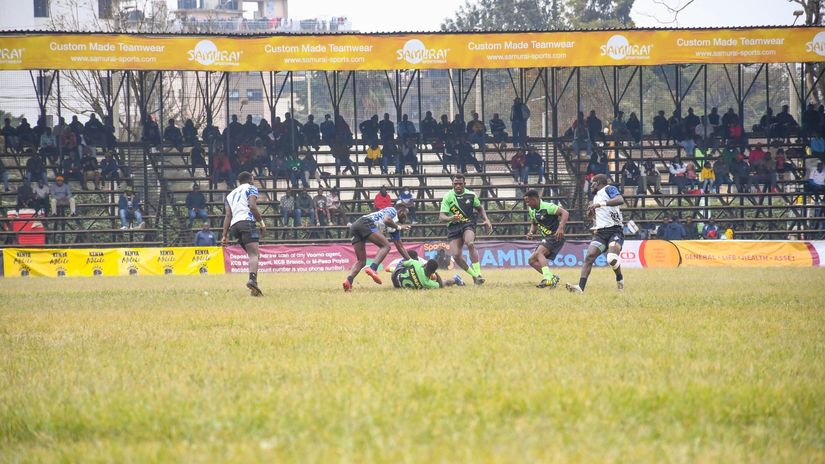
For decades, the 10-acre parcel along Ngong Road has been the heartbeat of Kenyan rugby.
It hosts league matches, international fixtures and serves as the headquarters of the Kenya Rugby Union (KRU).
Today, however, the same ground is at the center of a legal battle between KRU and the registered trustees of the Rugby Football Union of East Africa (RFUEA), raising fundamental questions about ownership, governance and institutional legitimacy.
Mozzart Sport breaks down this dispute.
Follow our WhatsApp channel for more news
Who owns Land Parcel No. 209/4529?
The dispute revolves around Land Parcel No. 209/4529, the 10-acre property granted in 1951 by the colonial government to the then Rugby Football Union of Kenya (RFUK). The lease, issued on October 1, 1951, ran for 50 years at Ksh72 per year and was intended to establish a rugby headquarters.
In 1953, RFUK changed its name to RFUEA and assumed all its assets and liabilities, including the land. The grounds were officially opened on September 28, 1955, hosting a sold-out match between the East Africa XV and the British & Irish Lions.
Over time, rugby administration evolved. The Kenya Rugby Football Union was formed in 1970 and later rebranded to Kenya Rugby Union in 2010, taking over the management of the sport nationally.
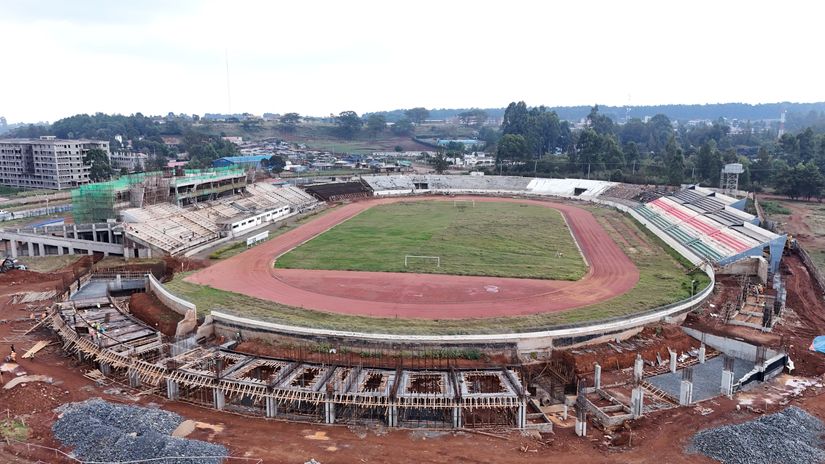
However, RFUEA remained the registered trustee of the land, creating a separation between operational control and registered ownership.
RFUEA last held elections on February 16, 2003, a fact that now lies at the heart of the legal argument.
The Sh16.8 million trigger
The simmering tension escalated in March last year when RFUEA chairman George Kariuki demanded that KRU pay Ksh16.8 million in rent arrears or face eviction.
RFUEA argues that as the registered trustee, it retains ownership and has the right to formalize its relationship with KRU through rent. KRU, on the other hand, maintains that the land was originally donated for the development of rugby in Kenya and should benefit the national governing body.
Through its lawyers, Olendo and Samba Advocates, KRU moved to the Sports Disputes Tribunal (SDT), challenging the rent demand and questioning RFUEA’s legal existence.
The union argues that RFUEA has failed to hold elections for over 25 years and therefore lacks the legal capacity to own property or enter contracts as a sports organization under the Sports Act.
KRU is therefore seeking transfer of ownership to its trustees and a declaration that RFUEA is non-existent and incapable of legally holding property in Kenya.
Interim orders and protection of the grounds
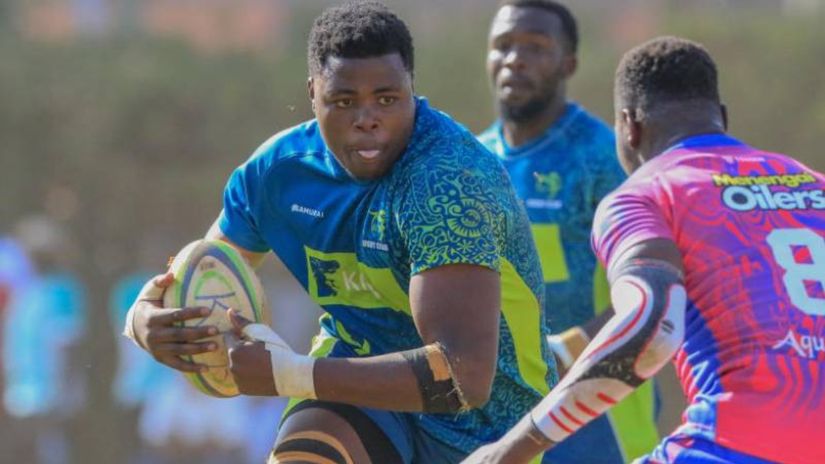
In October, KRU sought restraining orders from the Tribunal. A temporary injunction was issued restraining RFUEA and its trustees, including Kariuki, Richard Omwela and Richard Njoba from demanding the Sh16.8 million or interfering with KRU’s possession and use of the grounds pending the hearing of the main suit.
The Tribunal also restrained the trustees from interfering with KRU’s use of the property as its headquarters and as a venue for national team preparations and international matches.
For now, KRU remains in control of the grounds as the matter awaits full hearing.
.jpg)
Why the SDT ruled it has jurisdiction
A preliminary contest emerged over where the case should be heard. RFUEA argued that the matter was essentially a landlord-tenant dispute that belongs before the Business Premises Rent Tribunal or the Magistrates Court.
KRU countered that the central issue is governance, specifically whether RFUEA legally exists and has capacity under the Sports Act. That, KRU argued, places the dispute squarely within the mandate of the Sports Disputes Tribunal.
The Tribunal agreed. Applying the doctrine of predominant issue, it ruled that the principal matter concerns the legal status, existence and capacity of RFUEA as a sports organization. Questions of rent, tenancy agreements and ownership were deemed secondary and consequential to the primary governance issue.
The SDT therefore concluded that it has jurisdiction under Section 58(b) of the Sports Act and will proceed to hear the main suit.
.jpg)
What is at stake for Kenyan Rugby
The implications stretch far beyond rent.
If RFUEA succeeds, it could entrench its authority as the property’s registered trustee and formalize KRU’s position as a tenant. If KRU prevails, ownership may be transferred to its trustees and RFUEA could be declared defunct, significantly reshaping the governance landscape of Kenyan rugby.
For players, clubs, sponsors and fans, stability is paramount. RFUEA Grounds is not merely a venue, but the administrative and symbolic home of the sport.