


Egypt's formula to develop rugby after first continental tournament in Kenya
.jpg)




.jpg)

Reading Time: 3min | Thu. 20.11.25. | 16:00
Mozzart Sport caught up with the women's team head coach, Mohammed Khaled, during the Africa Women’s Sevens, and he noted that their continental debut was both historic and personal
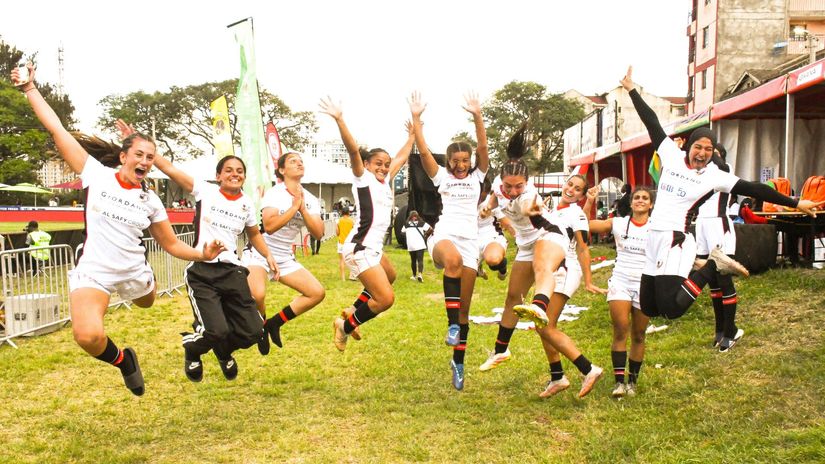
When Egypt stepped onto the pitch at the 2025 Africa Women’s Sevens, it marked more than a debut. That was a symbol of a new era for a nation steadily rebuilding its rugby identity.
Follow our WhatsApp channel for more news
Exactly one year after earning full World Rugby membership in November 2024, Egypt’s women’s team participated in its first-ever continental championship. This milestone comes decades after rugby first made its way to Egyptian soil.
Rugby’s presence in Egypt dates back to the early 20th century, introduced by British military officers, expatriates, and workers who established small club competitions in cities such as Cairo, Alexandria, and Ismailia.
During this period, the sport thrived in expatriate communities, with informal leagues and touring teams passing through the Suez Canal region.
However, when British settlers left, those thriving pockets of rugby culture faded. Without a local structure to sustain the game, participation declined. For years, rugby existed only in scattered social clubs, played more as a pastime than a competitive sport.
The revival began in the early 2000s, driven by Egyptian enthusiasts who sought to formalise the game and build a federation that could compete internationally.
By 2016, the Egyptian Rugby Federation was reorganised and recognised regionally. Their admission as a full member of Rugby Africa in 2019 marked a turning point and laid the groundwork for global recognition.
Five years later, in November 2024, Egypt achieved full World Rugby membership.
The journey from colonial pastime to a national sport has been long and uneven, but the momentum today is unmistakable.
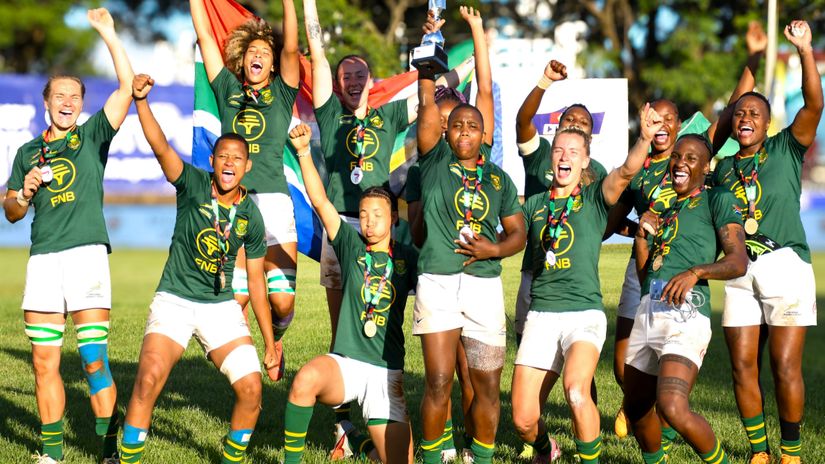
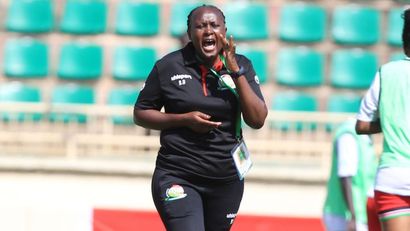
Mozzart Sport caught up with the women's team head coach, Mohammed Khaled, during the Africa Women’s Sevens, and he noted that their continental debut was both historic and personal.
“I am so proud to be here in Kenya. This was our first African tournament in our young history, and everything was very professional, from the referees and management to the medical staff,” Khaled offered.
Despite a tough opening match, the team found their footing.
Egypt’s maiden appearance at the Africa Women’s Sevens was a mix of lessons and milestones. They started their campaign with a 22-0 defeat to Tunisia, followed by a 31-7 loss to Madagascar, dropping them into the ninth-place playoffs.
There, they fell 22-7 to Mauritius, setting up the eleventh-place final. Egypt managed their first continental win in history, defeating Côte d’Ivoire 12-5 to finish tenth in the tournament.
“Our first game did not go as expected, but as the tournament went on, we grew into our rhythm,” he said.
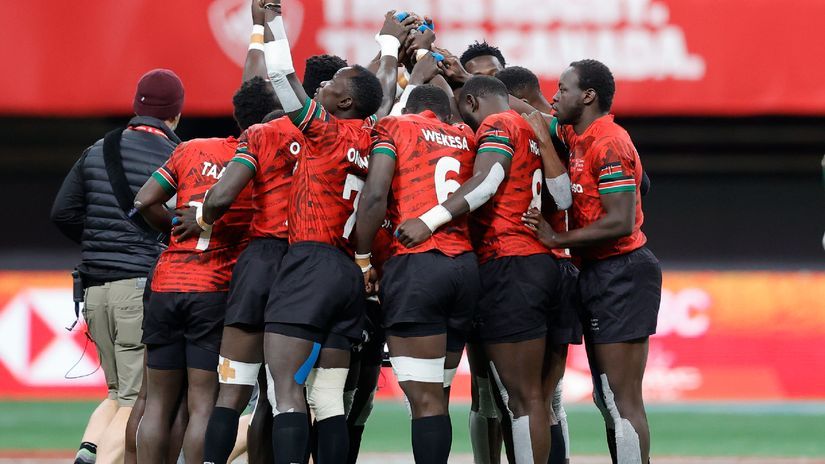
Egypt’s rise has been fueled by strategic support from the federation.
“We were World Rugby associate members for two years, and last year we finally gained full membership.
It has opened doors for us. Before gaining full membership, we only played in national competitions back home. Now we can compete continentally, and that’s a big step for us,” Khaled offered.
He further credited the national leadership for backing the sport’s growth trajectory.
“We are progressing well because our president and the union have supported us fully. They are very keen on development, and we’ve made commendable steps so far,” he said.
While Egypt currently fields only three women’s teams, the federation’s long-term focus is crystal clear: expand the base before expanding the top.
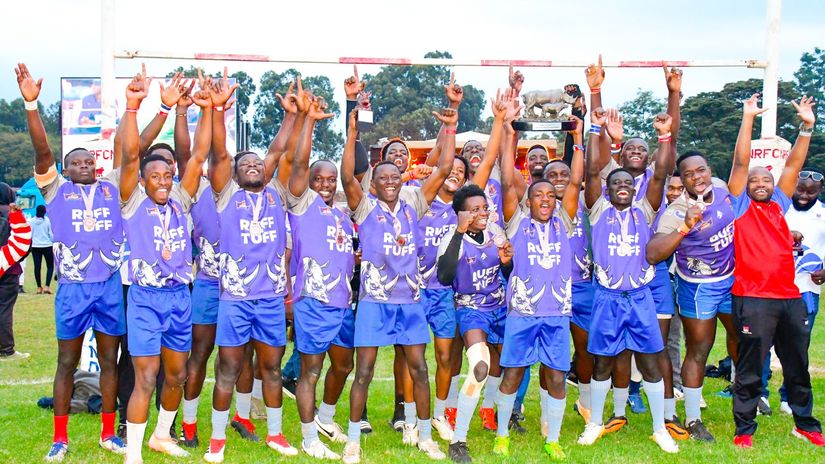
“We are heavily investing in grassroots development. That is where our focus is. We are now working with younger girls in schools because they are the future of the sport,” he averred.