


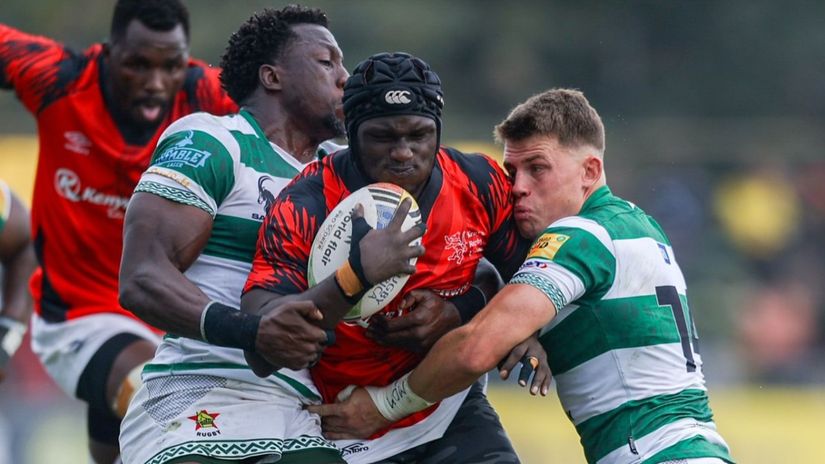
6 lessons learned from Kenya Simbas' Rugby Africa Cup semi-final loss to Zimbabwe
.jpg)





.jpg)

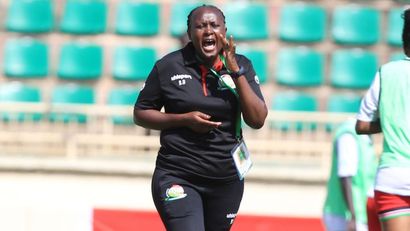
Reading Time: 4min | Mon. 14.07.25. | 18:21
Here are six key lessons Mozzart Sport took home from the match.
Kenya Simbas’ hopes of inching closer to the 2027 Rugby World Cup suffered a crushing blow following a 29-23 defeat to defending champions Zimbabwe Sables in the Rugby Africa Cup semifinal played on Sunday, 13 July, at the Nelson Mandela Stadium in Kampala, Uganda.
Follow our WhatsApp channel for more news
What began as a spirited East vs South clash soon turned into heartbreak for the Simbas, who had led for the better part of the game.
A costly final-quarter lapse, riddled with handling errors and questionable decision-making, proved fatal.
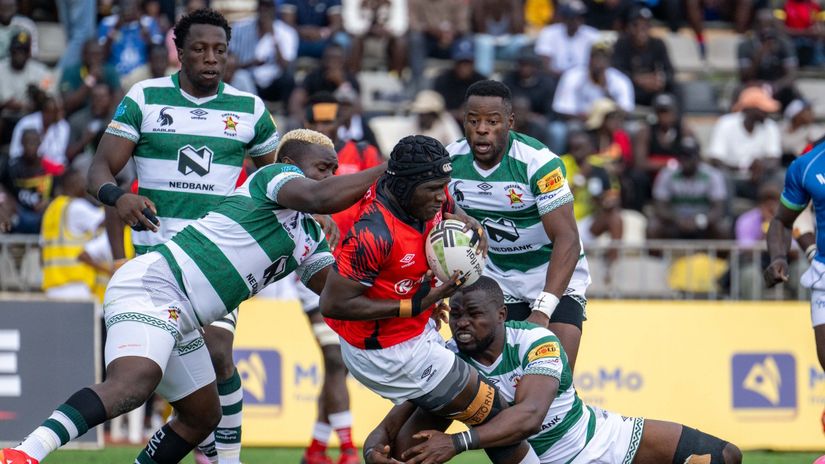
Here are six key lessons Mozzart Sport took home from the match.
1. Infringements during such a match have proven costly
In a game where margins were razor-thin, Kenya gave away penalties in dangerous areas, gifting Zimbabwe both territory and points.
Head coach Jerome Paarwater had warned before kickoff that discipline would be key, especially against a side with a sharp kicker like Zimbabwe’s Ian Prior.
“We know they are a quality side and that we cannot afford to give a lot of penalties because their kicker does not miss any kick,” Paarwater cautioned.
True to his word, Prior punished every Kenyan error with clinical accuracy, just as he had done in the quarterfinal, where he scored 23 points against Morocco.
Without a reliable kicker of their own to match that precision, Simbas fell short.
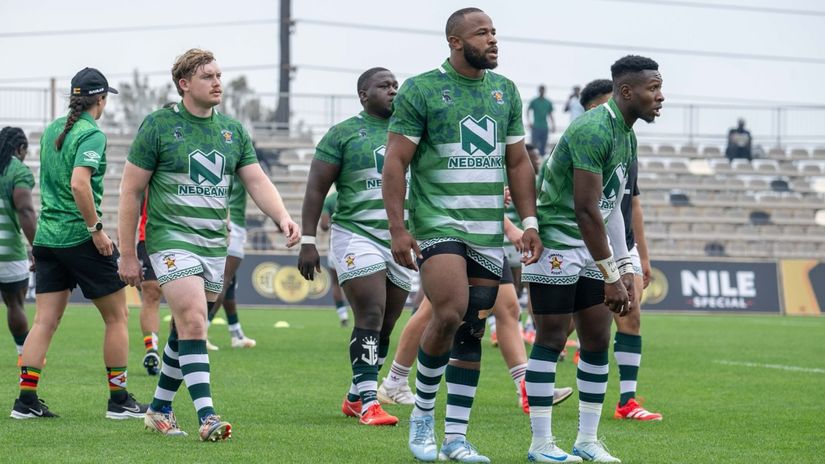
Handling errors further compounded the problem, consistently derailing attacking momentum.
2. Fly-half crisis
The fly-half (number 10) is the heartbeat of any backline.
While Barry Young impressed in the quarterfinal against Uganda, including a crucial drop goal, his performance against Zimbabwe lacked composure.
A key moment came in the second half when Kenya earned a full penalty. Instead of taking the points, they opted for a lineout, but Young’s kick overshot to the dead zone, squandering a golden opportunity.
The absence of a composed and commanding playmaker was painfully evident.
Questions are now being raised about when Ntabeni Dukisa, who enjoyed a stellar season with Kabras RFC, will be cleared to play for the national side.
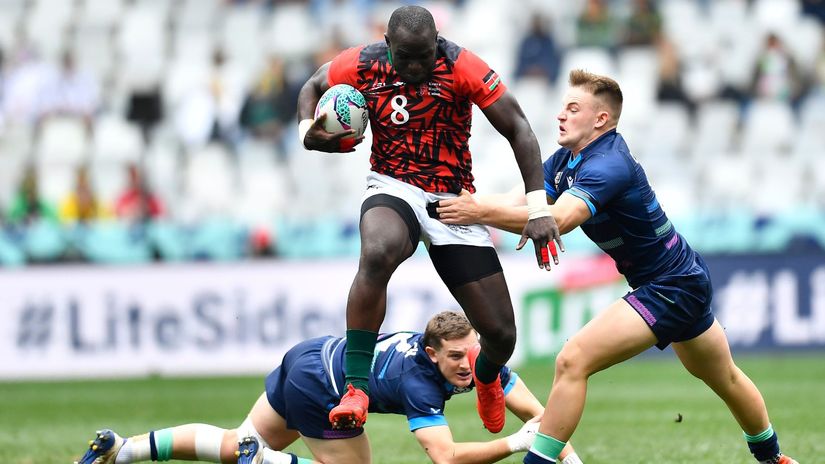
Accurate boots and decision-making skills, such as the South African-born fly-half's magic, could be the missing link.
3. Kenya has a strong XV, but depth is lacking
The starting lineup held its own against Zimbabwe for the majority of the game.
However, once substitutions were made, cohesion and intensity dipped noticeably. Paarwater brought on Vincent Mwikhali and Brian Tanga late into the match, but by then, perhaps the damage was already done.
But Kenya cannot afford to rely solely on its starting 15. Squad depth is vital. Without quality options who can maintain or elevate the team's performance off the bench, the Simbas risk faltering in crunch moments.
4. Veterans are still crucial
Experience counted in Kampala.
Kabras RFC captain George Nyambua stood out, combining well with Andycolle Omollo in the locks.
.jpg)
Their chemistry stabilised the pack, especially in scrums and defensive phases, and notably, since it was only Andycolle’s fourth cap with the Simbas.
It was a timely reminder that building around seasoned players is essential, particularly when integrating new talent into pressure situations.
5. Need to handle pressure towards the end of the game
It happened against Uganda. It happened again against Zimbabwe.
Concentration lapses in the final minutes have become a disturbing trend for the Simbas in Kampala. In the quarterfinal against Uganda, they allowed two quick converted tries in the dying minutes, cutting their lead to just five points. Barry Young’s late drop goal saved the day.
Against Zimbabwe, history repeated itself, only this time, there was no drop goal to rely on.
Despite leading 18-13 at halftime, Kenya conceded a try in the second half and gave away the rest of the points through penalties in the second half, surrendering the lead when it mattered most.
6. Preparation is everything
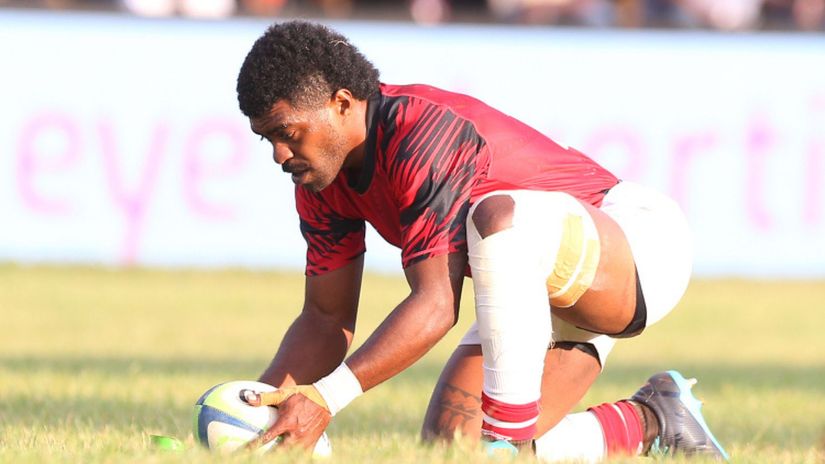
The Simbas only entered the residential camp a month before the tournament, a timeline that proved too short to build tactical chemistry, team fitness, or solid combinations.
To compete against top-tier African teams, Kenya must adopt long-term preparation models, including high-level friendlies, rigorous training camps, and a defined playing identity.
With the next World Cup now in 2031, the Kenya Rugby Union (KRU) has a real window to invest in the future and build a squad ready for global competition.