


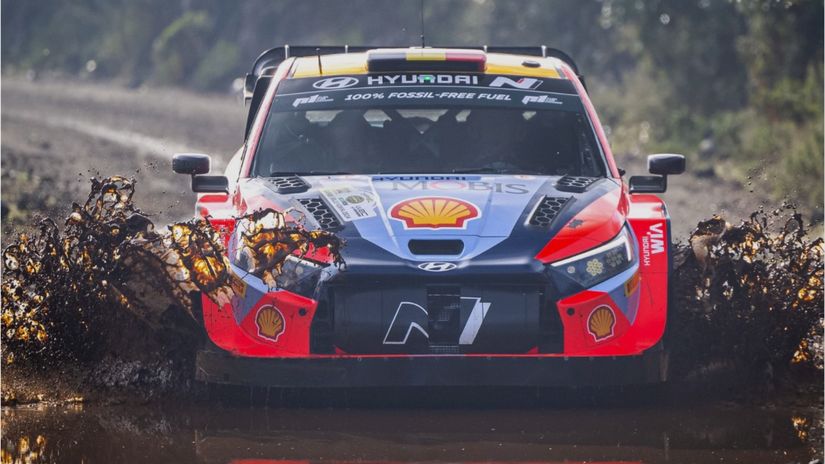
Hyundai reveal strategy for tackling tough Safari Rally after slow season start


.jpg)

Reading Time: 3min | Sat. 07.03.26. | 16:06
Last year, the team delivered its best result since the rally returned to the calendar in 2021, with Ott Tänak and Thierry Neuville finishing second and third respectively, but an electrical fault dropped Adrien Fourmaux out of podium contention after stage one
Hyundai Motorsport is confident its new ‘Evo’ car will stand up to the brutal challenges of the WRC Safari Rally after an extensive period of testing ahead of the African adventure set for Thursday, 12 to Sunday, 15 March in Naivasha.
Next week’s Safari Rally will mark the first time Hyundai’s heavily upgraded i20 N Rally1 car will tackle arguably the toughest stages on the WRC calendar, after the team opted to deploy its previous iteration of the Rally1 car for last year’s event.
Follow Our WhatsApp Channel For More News
Kenya’s rough stages are renowned for testing machinery to its limits, with the Korean marque well versed in how the rally can place huge strain on both car and crew.
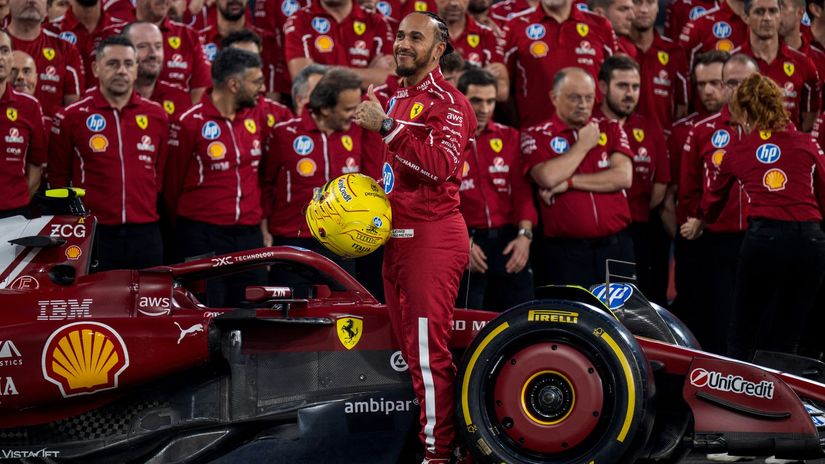
Last year’s event proved bittersweet for Hyundai. The team delivered its best result since the rally returned to the calendar in 2021, with Ott Tänak and Thierry Neuville finishing second and third respectively, but an electrical fault dropped Adrien Fourmaux out of podium contention after stage one.
While Hyundai has made a slow start to the 2026 season, the team has been busy testing since Rally Sweden to address its lack of pace and prepare for Kenya.
Before arriving in Kenya, the squad will have completed 10 test days since Sweden across its Rally1 and Rally2 programmes on both rough gravel and asphalt, as it prepares not only for Naivasha but also the following asphalt events in Croatia and the Canary Islands next month.
“I think we have made very good steps with the information from Sweden, but the difficulty is that we don’t go back there until next February.
But there are things across the board that are learnings that you make that can be used on other surfaces,” said Hyundai Motorsport sporting director Andrew Wheatley.
Wheatley says the team has made "very good steps".
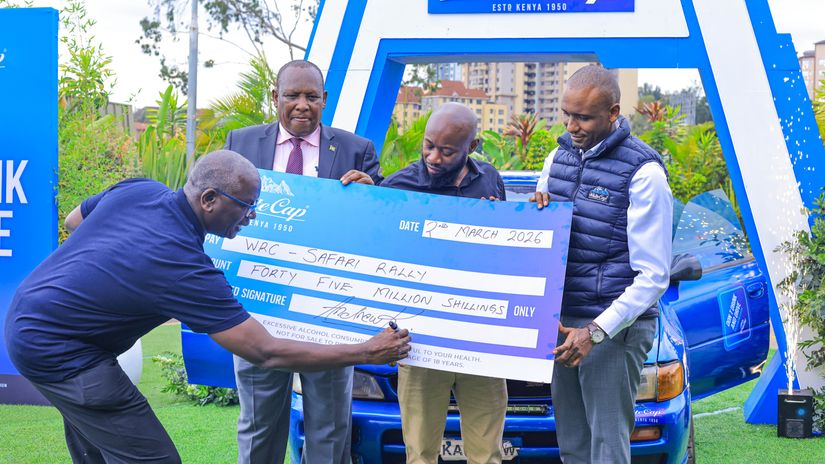
“We are testing a lot. We are testing as much as we possibly can at the moment. I would say what you learn in testing is then confirmed on an event, but there is every reason to believe that we have made some positive steps. The question is whether those positive steps are enough to fill the gap.
Safari is a different question. Safari is about making sure we don’t have some of the challenges, and actually, there has been some really positive work done this year on some of those, let’s say, fundamental elements around the car.
One thing that has been good from Monte Carlo and Sweden is the reliability. We have had good reliability from both the team and the car, so that has been a positive step. We have reduced a lot of the issues that can cost you time on an event," he offered.
He believes Kenya is about making sure the team has the most reliable and most efficient package they need for that event.
While Kenya will be new territory for Hyundai’s ‘Evo’ car, it has already proven capable on rough terrain, taking victories at the Acropolis Rally in Greece and Rally Saudi Arabia last year.
Asked how the upgraded machine will fare on Kenya’s brutal gravel stages, Wheatley said testing on rough gravel has been encouraging.
“Ironically, the ‘Evo’ car wasn’t built for those [rough] conditions. It was built for the tarmac and the fast gravel stages, but the car won in Greece and Saudi last year, so those are two of the hardest events on the calendar,” he added.
"I think as a result it has got some potential to be competitive, but as I say, Safari is not necessarily about speed. To be fair, Greece and Saudi have a speed element in them - they are not all about survival - but you do have to be fast."
By WRC.com