


.jpg)
TACTICAL ANALYSIS: Coach Kamau's tactical flexibility that earned Mathare win over KCB


Reading Time: 4min | Sat. 27.09.25. | 12:54
Mathare’s tactical adaptability and defensive organization outshone KCB’s direct but predictable approach, marking a crucial first win of the season for John Kamau’s men
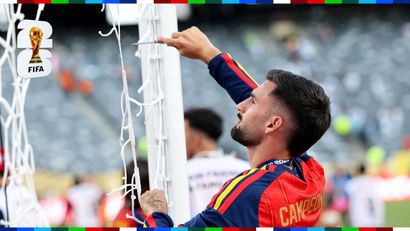
Mathare United earned their first win of the season with a hard-fought 1-0 victory over KCB at the Kasarani Annex, in a match played under heavy rains in the second half.
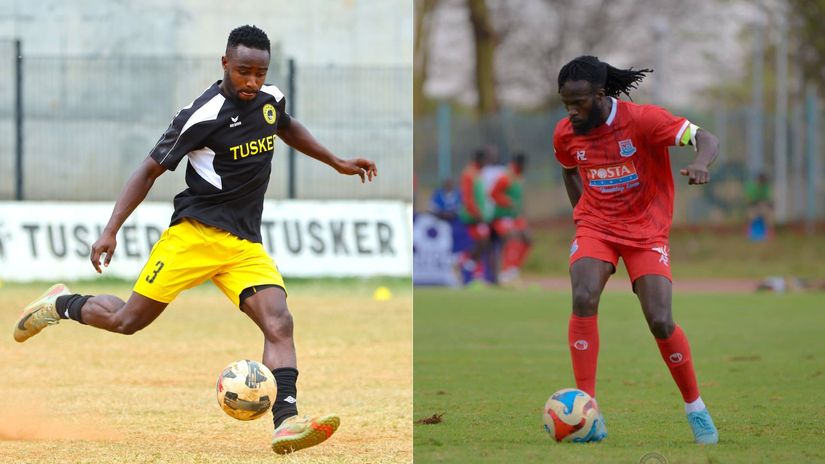
The result was a significant bounce-back for John Kamau’s side after losing their opener to Posta Rangers, while Robert Matano’s team, who had begun their campaign strongly with a 2-0 win over Tusker, were left frustrated.
Follow our WhatsApp channel for more news.
Lineups and Initial Setups
Matano set up KCB in a base 4-4-2 formation.
Bonphas Munyasa started in goal, behind a back four of Fadhili Masoud, Josphat Andafu, Amatton Samunya, and Clyde Senaji.
In midfield, Humphrey Mieno and Jack Ong’aya anchored the central area, flanked by December Kisaka and Bonface Omondi.
Up front, the duo of Kelvin Etemesi and Richard Otieno looked to spearhead the attack.
.jpg)
Kamau deployed Mathare United in a 4-2-3-1 formation.
Kevin Ouru stood between the posts, shielded by a back line of Sammy Imbuye, Herit Mungai, Ian Omondi, and Francis Kayugi.
The double pivot featured Brian Ouru and Brian Ochieng, while Jacob Onyango operated as the central playmaker.
John Nyawir and Paul Kinyanjui worked the flanks, supporting lone striker Elli Asieche.
Mathare’s Positional Play and Build-Up
As expected, Kamau’s side emphasized possession-based play.
Mathare set up in a 3-4-3 in build-up. The center-backs split during build-up, with Brian Ochieng dropping between them to start play.
This allowed fullbacks Mungai and Imbuye to push higher and provide width, while Nyawir tucked inside to operate as an additional forward.
In possession, Mathare morphed into a 3-4-2-1 structure, with Onyango and Nyawir acting as inside forwards behind Asieche. Kinyanjui and Mungai stretched the pitch, while the back three maintained rest defense to secure against counterattacks.
This ensured that Mathare could circulate the ball safely while still having bodies in advanced areas.
KCB’s Press and Direct Wing Play
Matano anticipated Mathare’s build-up patterns and instructed his side to press high.
Etemesi and Otieno led the line, closing down the center-backs, while Ong’aya and Mieno stepped onto the pivots. This pressing scheme disrupted Mathare’s rhythm, forcing errors and rushed clearances.
In attack, KCB relied heavily on wing play and early deliveries into the box.
Omondi and Kisaka attempted to isolate Mathare’s fullbacks, with the far-side winger moving inside to create numbers in the penalty area.
.jpg)
Andafu overlapped aggressively on the right, while Masoud was more conservative, tucking in to form a back three with Samunya and Senaji when possession was lost.
However, this approach struggled to yield chances. Omondi, KCB’s hero against Tusker, was double-marked effectively by Mungai and Nyawir, leaving him with little influence.
On the other side, Kinyanjui tracked Andafu diligently, curbing his forward surges.
With service cut off from wide areas, the strike partnership of Etemesi and Otieno remained largely ineffective.
Mathare’s Tactical Adjustment
Recognizing the intensity of KCB’s press, Kamau introduced a clever adjustment.
Striker Asieche began dropping into midfield to create overloads in the first build-up phase.
KCB’s center-backs hesitated to follow him, wary of leaving spaces in behind, which opened room for Kinyanjui to make dangerous outside-to-in runs.
The left side became Mathare’s most potent avenue, as Mungai’s overlaps and Nyawir’s intelligent movements regularly pulled Masoud out of position.
From this channel, Mathare forced a foul, which Asieche converted into the decisive goal.
Second-Half Substitutions and Tactical Shifts
At halftime, Matano sought to reinvigorate KCB’s attack.
He introduced Rowland Makati, Mathias Isogoli, and Tedja Wanumbi for Ong’aya, Etemesi, and Omondi.
Isogoli, in particular, was tasked with injecting creativity and testing Mathare’s goalkeeper with long-range efforts.
Kamau responded with his own changes. Onyango was withdrawn for Denis Okoth, shifting Asieche into the attacking midfield role while Okoth led the line.
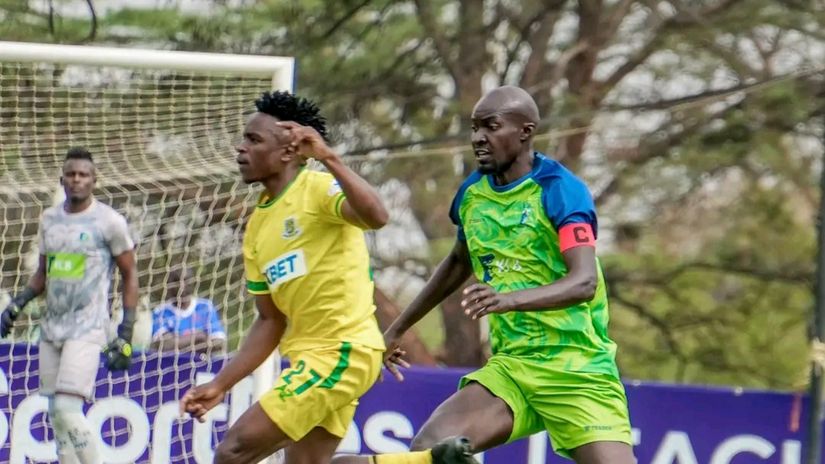
Later, forced by injuries to Ouru and Mungai, Mathare brought in Cetric Asango, Derrick Anami, and Robert Mboya, altering their shape into a 3-5-2. Asango, Omondi, and Kayugi formed the back three, with Imbuye and Nyawir as wingbacks.
This reinforced the defense while maintaining width.
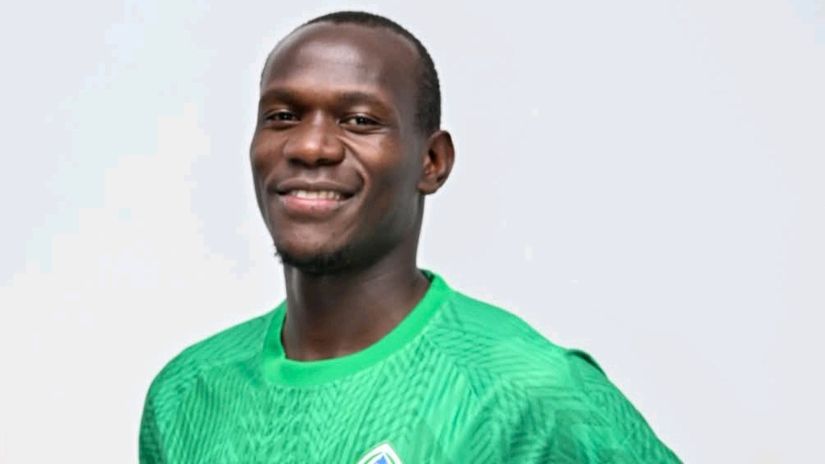
Sensing KCB’s growing midfield presence, Kamau made one final adjustment by bringing on Mohamed Kilume for Asieche.
Kilume’s presence as a natural holding midfielder stabilized the center, enabling Mathare to protect their slender lead through disciplined defending and compact organization.
This contest was defined by contrasting tactical approaches.
KCB, true to Matano’s philosophy, pressed high and leaned on wing play, but Mathare’s defensive discipline and intelligent adjustments blunted their strengths.
By contrast, Kamau’s side executed a well-structured possession game, adjusted flexibly to pressure, and exploited the left side effectively.
The decisive moment came from that very channel, with Asieche’s set-piece strike sealing Mathare’s victory.
In the end, Mathare’s tactical adaptability and defensive organization outshone KCB’s direct but predictable approach, marking a crucial first win of the season for John Kamau’s men.