


TACTICAL ANALYSIS: Bidco's resilient gameplan that edged Nairobi United





Reading Time: 4min | Thu. 09.10.25. | 10:35
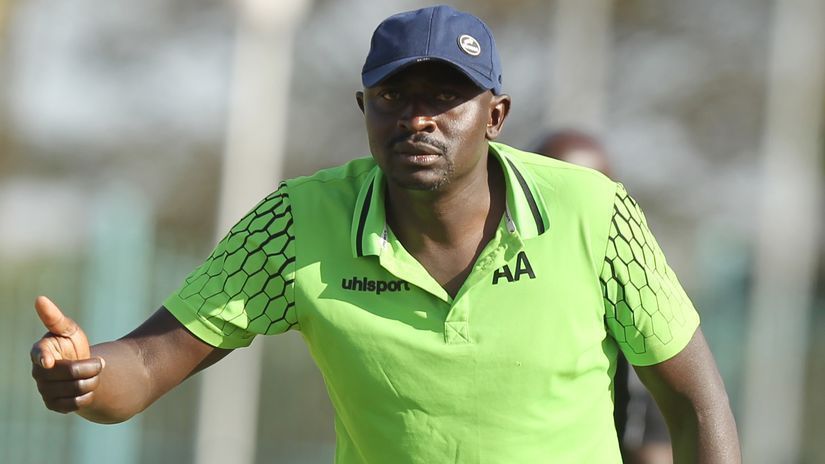
In a contest defined by tactical discipline, transition play, and midfield battles, Anthony Akhulia’s men executed their plan to near perfection, frustrating Nicholas Muyoti’s Nairobi United throughout the ninety minutes.
Nairobi United’s unbeaten start to life in the top flight came to an end as they narrowly lost 1–0 to Bidco United in Murang’a.
In a contest defined by tactical discipline, transition play, and midfield battles, Anthony Akhulia’s men executed their plan to near perfection, frustrating Nicholas Muyoti’s Nairobi United throughout the ninety minutes.
Follow our WhatsApp for more channels.
Lineups and Structures
Akhulia deployed Bidco United in a compact 4-3-3 structure. Issa Emuria started between the posts, protected by a back four of Idris Amadi, Thomas Wainaina, Kelvin Ouma, and Kennedy Ongalo.
The midfield trio featured Kassim Juma, Dennis Murunga, and Newton Ochieng, while John Walubuka, Herman Ngala, and Victor Kunyili led the attacking line.
Nairobi United lined up in a 4-2-3-1, with Bernard Jairo in goal.
The back four comprised Daniel Bichok, Brian Sifa, Prince Buregeya, and Lennox Ogutu. In the double pivot sat Brian Mzee and Shafic Ssebyala, with Shami Kibwana as the creative link in the No.10 role.
Ovella Ochieng and Isaac Omweri provided width on the wings, while Frank Ouya spearheaded the attack.
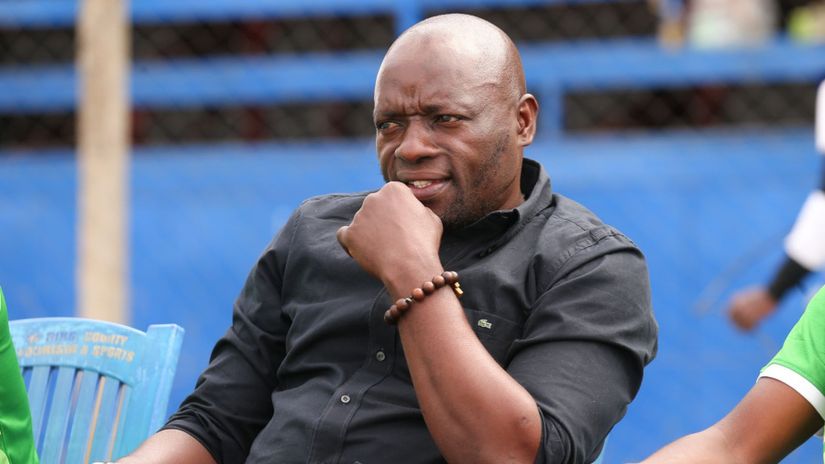
Bidco’s Tactical Discipline and Wing Play
Bidco United’s game plan revolved around conceding possession and punishing Nairobi United in transition.
They maintained a compact mid-block that morphed into a 4-1-4-1 when out of possession, effectively neutralising Nairobi’s central build-up channels.
Akhulia instructed his side to attack through the wings, exploiting the spaces left behind by Nairobi’s advanced fullbacks.
Wingers Ngala and Walubuka targeted Bichok and Sifa in 1v1 duels, aiming to isolate and beat them for pace.
Ngala, in particular, displayed tactical intelligence—tucking inside whenever Amadi overlapped to open up the flank.
This rotation paid off in the decisive moment of the match: Amadi’s forward surge and delivery found Ngala in the box, who capitalised to score the game’s only goal
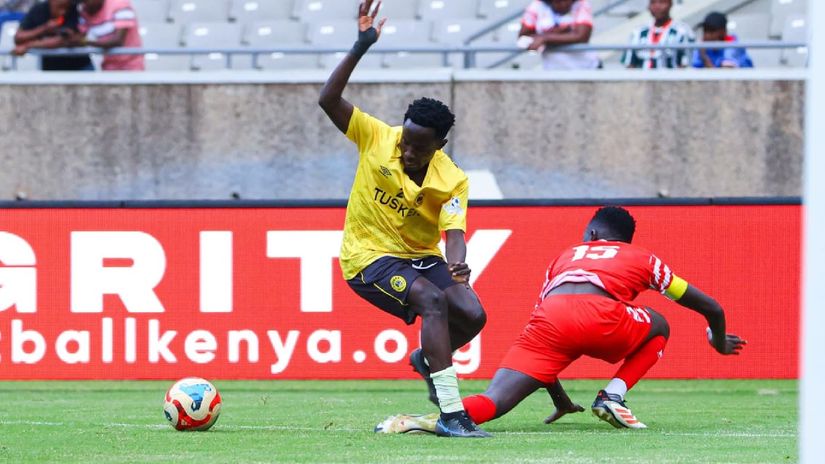
Bidco’s transitions were sharp and purposeful.
They often bypassed the press by playing direct passes into the channels, with Kunyili acting as the outlet and first presser when possession was lost.
This setup ensured Bidco remained compact and disciplined even after committing players forward.
Nairobi United’s Positional Play and Structural Issues
Nairobi United sought to impose themselves through structured build-up play, prioritising positional control and progression through the pivot.
Their double pivot—Mzee and Ssebyala—were central to the plan, acting as outlets to escape Bidco’s press.
However, Bidco’s mid-block often stifled their rhythm.
While Nairobi could build comfortably in the first phase, they struggled to advance into the final third. Once the ball reached the middle third, Murunga and Ochieng pressed the pivots aggressively, cutting off supply lines to Kibwana and forcing hurried passes or turnovers.
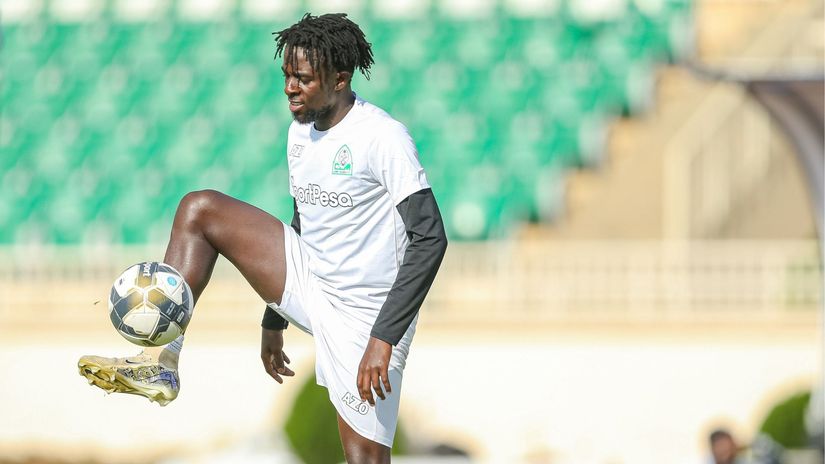
To counter this, Muyoti’s wingers—Ovella and Omweri—began to drop deeper to receive between the lines, which improved ball progression but reduced attacking presence higher up.
Consequently, Nairobi found it difficult to sustain attacks or create overloads in the final third, leaving Ouya isolated at times.
Ouya’s Role and Influence
Despite not scoring, Ouya emerged as one of Nairobi United’s standout performers.
His tactical awareness and movement offered Nairobi a consistent attacking outlet.
Ouya operated fluidly across the frontline, alternating between central and wide zones to create overloads in both half-spaces.
His intelligent runs behind Bidco’s back line stretched the defence horizontally, opening lanes for onrushing midfielders. At times, he dropped deep to link play—dragging Bidco’s centre-backs out of position and creating pockets of space for late runners like Kibwana.
In the second half, as Muyoti switched to a 4-4-2, Ouya took on a dual role—both as a creator and a target man.
He combined well with substitute Michael Karamor, showing his adaptability in tight areas and his ability to facilitate attacking movements even when under pressure.
His presence forced Bidco to stay compact defensively, a testament to his tactical importance despite the lack of a goal.
Second-Half Adjustments
Sensing his side’s lack of penetration, Muyoti made substitutions in the second half—Kibwana, Ovella, Omweri, and Bichiok were withdrawn for Michael Karamor, Majaliwa Charo , Chris Opondo, and Enock Machaka.
The shift to a 4-4-2 aimed to create more direct pressure on Bidco’s defence through twin forwards and natural width on the flanks.
Bidco, however, responded smartly. Akhulia refreshed his wings by introducing Clinton Asiago and Collins Akite to maintain energy in transitions and pin Nairobi’s fullbacks deeper.
He also replaced Ochieng with Christopher Raila, tightening midfield spaces and ensuring defensive stability in the closing stages.
Tactical Efficiency Over Possession
This was a match that highlighted tactical efficiency over possession dominance.
Bidco United executed a disciplined and pragmatic game plan—absorbing pressure, attacking quickly through wide areas, and maintaining defensive structure throughout.
For Nairobi United, the defeat served as a learning curve.
Their intent to build and control play was evident, but Bidco’s intelligent pressing and compactness exposed the gaps between midfield and attack. While Ouya’s movement and creativity stood out, the team lacked the final-third cohesion to turn possession into goals.
Ultimately, Akhulia’s Bidco United showcased why tactical clarity often trumps stylistic control, securing a well-earned 1–0 victory that underlined their growing maturity in game management.