


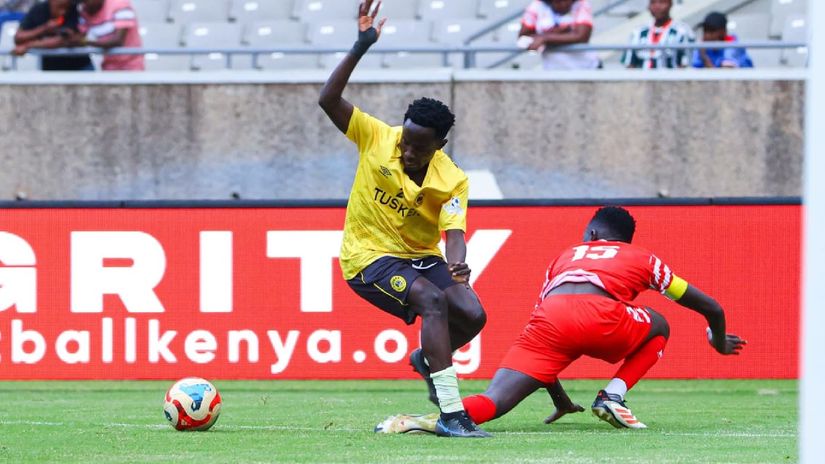
TACTICAL ANALYSIS: How Tusker comeback to earn a draw against table toppers Shabana

.jpg)
.jpg)
.jpg)

Reading Time: 5min | Mon. 06.10.25. | 20:19
Shabana will feel they could have killed the game off in the first half when they dominated midfield and created dangerous situations in and around the box.
The FKF Premier League clash between Tusker FC and Shabana FC was a highly billed affair where the Brewers, who were under pressure, looked to derail the on-song Glamour Boys.
Follow our WhatsApp channel for more news
This was a game defined by contrasting tactical setups, positional adjustments, and a battle for midfield dominance.
The first half saw Tusker adopt a more direct and aggressive approach, whereas Shabana looked to break through centrally with methodical build-up play and well-timed transitions.
The 1-1 draw in the end was a fair reflection of a tightly contested tactical battle, with each side having phases of dominance and missed opportunities.
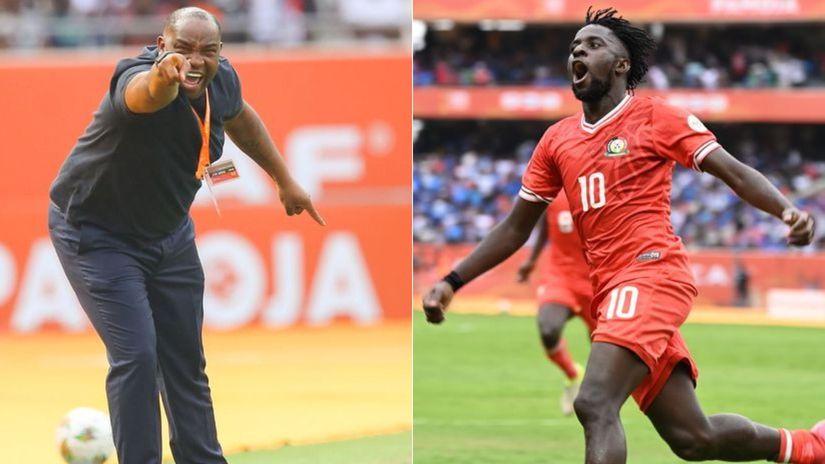
First Half: Tusker’s Directness vs Shabana’s Central Control
Tusker opened the match with a direct style of play, heavily relying on wing play and vertical progression to advance the ball.
Their fullbacks stayed relatively close to the centre-backs during buildup, forming a compact defensive block, while the single pivot Issa Lumumba was tasked with progressing the ball forward.
Tusker’s reluctance to recycle possession at the back often limited their ability to create time and space in advanced areas.
This predictability made it easier for Tore Bobe to compress the play and engage in successful pressing duels in midfield.
Coach Peter Okidi's men, on the other hand, aimed to disrupt Tusker’s rhythm by pressing intelligently and manipulating space through off-the-ball movements.
One of the standout features was striker Austine Odongo’s runs in behind the Tusker backline, frequently stretching their defensive shape.
Meanwhile, Brian Michira dropped into midfield, facilitating an overload and allowing Kevin Musamali, the left fullback, to push higher up the pitch.
This fluid interchange posed constant problems for Tusker, who struggled to assign a consistent marker to the left-sided overloads.
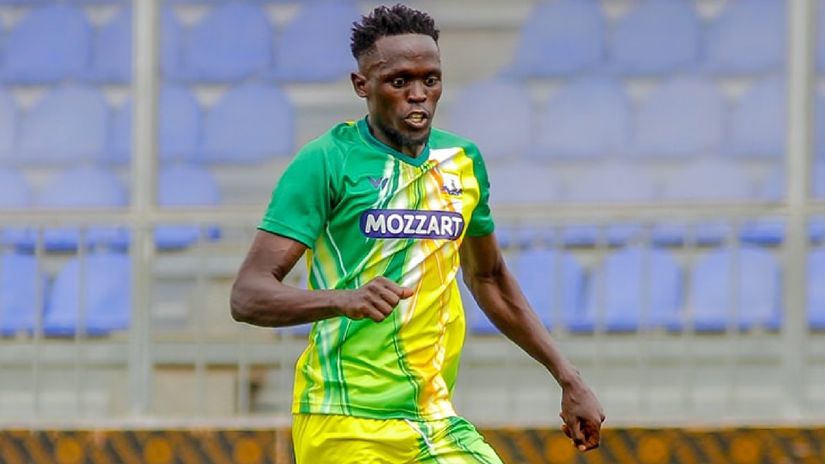
A key moment arrived in the 19th minute when Bronson Nsubuga, who had replaced the injured Michira early on, delivered a powerful shot from the left.
Tusker’s goalkeeper could only parry the ball into the path of Austine, who capitalised on the rebound to give Shabana the lead.
The goal highlighted Tusker’s vulnerability in transition and their inability to track runners effectively inside the box.
.jpg)
Despite the goal, Tusker maintained their wide attacking approach. Dennis Wanjala delivered sharp crosses from the left, but the lack of runners at the far post rendered many of them ineffective.
The midfield duo for Shabana, particularly Otieno Biron, was pivotal in screening their defense, often stepping up intelligently to press Tusker’s midfield orchestrators and block passing lanes.
Biron’s anticipation and positioning were critical in neutralising Tusker's central build-up attempts.

A wing switch saw Curtis Wekesa move to the left and Ronny Otieno to the right for Tusker.
This adjustment nearly paid off in the 28th minute when Curtis set up David Polepole to unleash a low driven shot that narrowly missed the target, exposing Shabana’s fullback, who had ventured too far forward. Tusker’s best chance of the half until that point.
As the game advanced, Shabana’s goalkeeper, Maxwell Mulili, played a notable role in the buildup, acting as a plus-one alongside the two centre-backs and Biron, forming a diamond structure to play out from the back.
This structure was especially effective after Michira’s injury forced a reconfiguration of their midfield. Shabana’s fluid 4-1-1-4/4-2-4 in possession helped them break Tusker’s initial press and carry the ball into the final third.
.jpg)
In response to Shabana’s growing control, The Brewers made a tactical substitution in the 36th minute, with Ronny Otieno being replaced by Thomas Omole.
Omole slotted in on the left wing while Curtis switched to the right, giving Tusker renewed width and offensive impetus.
Their fullbacks began pushing higher to create overloads on the flanks, and by the 43rd minute, they were beginning to find more joy in the final third through crosses and wide combinations.
Second Half: Tactical Adjustments and Momentum Shifts
Tusker began the second half with another substitution, bringing on Dennis Oalo for Vincent Otieno.
The change proved instrumental in allowing Tusker to commit more numbers forward and pin Shabana deeper into their half.
The presence of Oalo gave Tusker a more physical target in the box and added a new dimension to their attack.
Shabana, however, continued to threaten during transitions.
Their midfielders, notably Keith Imbali, carried the ball over long distances, often turning defense into attack with minimal buildup.
Shabana's compact 4-2-4 out of possession aimed to push Tusker into wider, less dangerous zones while maintaining a high line to trap the likes of Polepole and Oalo offside.
Polepole’s intelligent movement caused issues for Shabana.
By dropping deep, he often drew one of the centre-backs out of position, disorganising the defensive line and creating gaps for others to exploit.
Despite this, Shabana remained tactically disciplined, making further substitutions to shore up the midfield and manage the game's tempo.
In the 72nd minute, a flurry of changes from both sides reflected the high intensity and fatigue beginning to set in.
Shabana lost George Onyango to injury and introduced Wycliffe Omondi, while Tusker brought in Ian Simiyu and Teddy Dok for Wekesa and Polepole, respectively.
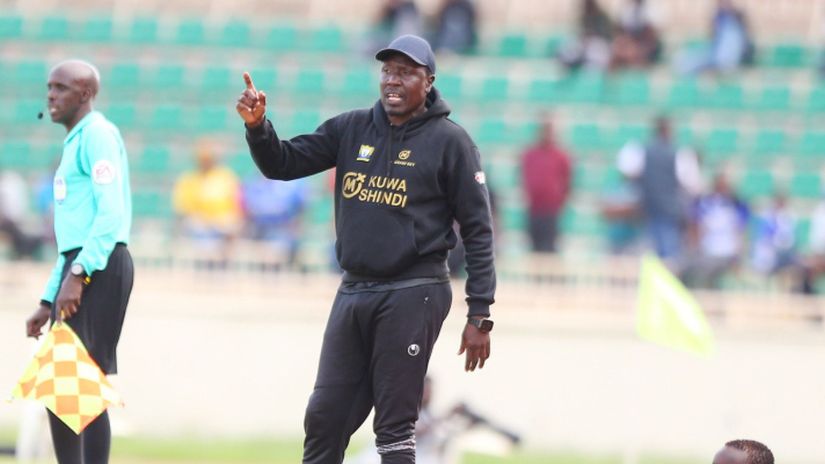
The match's turning point arrived in the 77th minute.
A misplaced touch inside the box by Shabana’s Mark Okola led to a moment of chaos as he attempted to clear.
Simiyu, showing great persistence, recovered quickly after tripping and slotted home the equaliser to level the score at 1-1.
It was a goal born out of individual tenacity rather than tactical precision, but it encapsulated Tusker’s more direct, physical approach in the second half.
A Game of Tactical Contrasts
The 1-1 draw showcased two distinct tactical identities.
Coach Okere's reliance on wide play, direct buildup, and aggressive pressing contrasted sharply with Shabana’s central overloads, structured buildup, and counter-attacking transitions.
Both teams had their moments, with Tusker’s substitutions playing a vital role in clawing back the result.
Shabana will feel they could have killed the game off in the first half when they dominated midfield and created dangerous situations in and around the box.
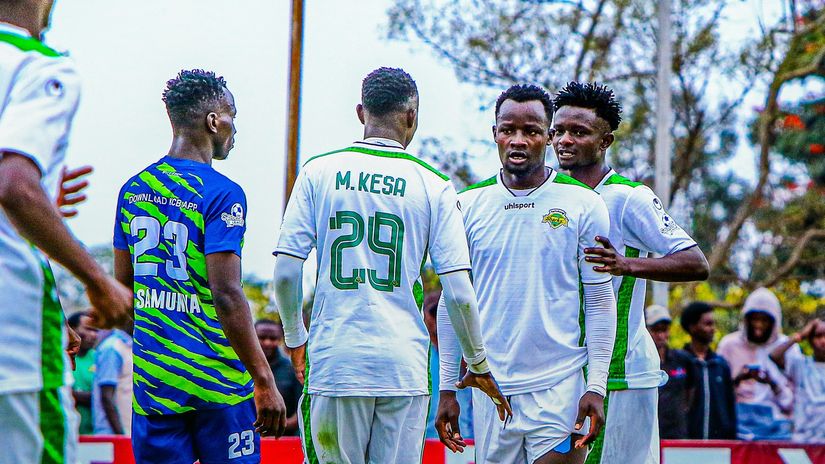
However, Tusker’s adjustments, especially in the second half, allowed them to push Shabana deeper and apply sustained pressure, ultimately resulting in the equaliser.
This game highlighted the importance of tactical flexibility, in-game management, and depth from the bench - all crucial factors in this tightly contested FKF Premier League tie.