


.jpg)
Namibia reveal advantage they possessed over Kenya in 2026 Futsal AFCON qualifiers

.jpg)
.jpg)
.jpg)

Reading Time: 3min | Mon. 02.02.26. | 16:17
For Kenya, the defeat underlined the consequences of competing internationally without a consistent domestic futsal ecosystem
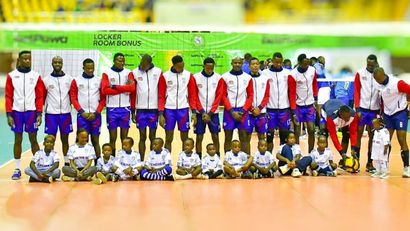
Kenya’s push to reach the historic 2026 Futsal Africa Cup of Nations came to a grinding halt on Wednesday, 28 January, after a frenetic 10–7 home defeat to Namibia national futsal team at the Kasarani Indoor Arena sealed their elimination.
Follow our WhatsApp channel for more news
The loss confirmed an 18–11 aggregate exit for the Kenya national futsal team, who had earlier fallen 8–4 in the first leg in Windhoek. The James Omondi-coached side needed a statement comeback on home soil, and for large spells, they tried to deliver one.
The hosts began brightly, pressing high and attacking with intent as they searched for the early goals required to tilt the tie. But while Kenya showed heart and ambition, Namibia showed structure, composure, and a ruthless edge in front of goal.
Despite conceding seven times, the visitors repeatedly punished defensive lapses and controlled the key moments of the match, scoring 10 to extinguish any realistic hope of a turnaround.
It was a clear illustration of the gap between a side still building its futsal foundations and one operating within a mature, competitive system.
That contrast was laid bare by Namibia goalkeeper Riya Usurua, who plays for Quality FC. Speaking to Mozzart Sport, Usurua pointed to the value of regular, high-level competition back home.
“We currently have a league running in Namibia, so I train with my team every day. I have to give credit to my team for my performance here.
We are purely a futsal club. We play friendlies in Angola and compete in the Namibian league; it’s very intense, a high-tempo futsal setup,” he said.
“I weigh 63 kilograms, and training in Kenya was a bit difficult because we only arrived two days before the match. We trained on Tuesday and played on Wednesday,” he explained.
Despite winning, he acknowledged that Kenya posed a serious challenge.
“Kenya is a very good team. At the hotel, we watched their interviews, and they said they were coming to score many goals, and they did. I managed to save a few, but they still scored. They are a very tough opponent,” he averred.
.jpg)
Tactically, Namibia’s advantage was also evident. Usurua credited the influence of their new coach, Marco Antunes, who arrived with experience from Angola.
“The atmosphere was amazing, and the crowd really turned up. We were nervous in the first half, but in the second half, we reminded ourselves why we were here and knew we had to get the job done. Now our focus shifts to Libya,” Usurua revealed.
For Kenya, the defeat underlined the consequences of competing internationally without a consistent domestic futsal ecosystem. That reality, however, may soon change.
In the aftermath of the qualifiers, Football Kenya Federation (FKF) President Hussein Mohammed announced plans to launch a National Futsal League as part of a broader strategy to raise standards across the game.
.jpg)
“We are new to futsal. It is a competition we have not been participating in, and now we will put in a lot of work and investment into it. The first immediate step is to start a futsal league,” he said.
If implemented effectively, that league could ensure future Kenyan sides arrive better prepared.