


FEASSA Games: Uganda’s winning formula that keeps delivering gold

.jpg)

.jpg)
.jpg)

Reading Time: 2min | Fri. 15.08.25. | 08:00
Last year, the hosts lifted the overall title for the fourth consecutive time, edging Kenya in a tightly contested medal race
For years, Uganda has reigned supreme at the Federation of East Africa Secondary Schools Sports Association (FEASSA) Games, with only Kenya consistently posing a challenge.
Follow Our WhatsApp Channel For More News
Last year, the hosts lifted the overall title for the fourth consecutive time, edging Kenya in a tightly contested medal race.
Uganda amassed 13 gold medals to Kenya’s 11 during the official closing ceremony, cementing their regional dominance. The Pearl of Africa’s strength cuts across multiple disciplines.
They have been almost unstoppable in table tennis (boys and girls), football (boys and girls), handball (girls), netball (girls), basketball (boys and girls), swimming (boys and girls), badminton (boys and girls), and girls’ athletics.
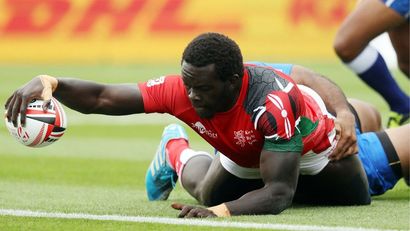
Kenya, who have long played second fiddle, tends to thrive in hockey (boys and girls), boys’ handball, tennis (boys and girls), boys’ athletics, and both rugby 15s and 7s.
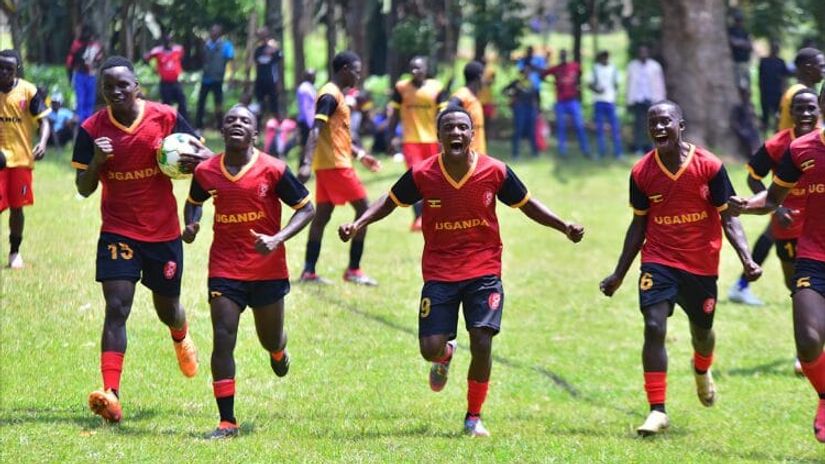
Uganda boys’ football silver medalist coach, Sam Kamulinde, told Mozzart Sport that the key lies in the competitive structure of their school sports.
"The competition gets tough right from the zonal stage, where schools play more than ten matches to qualify,” he explained.
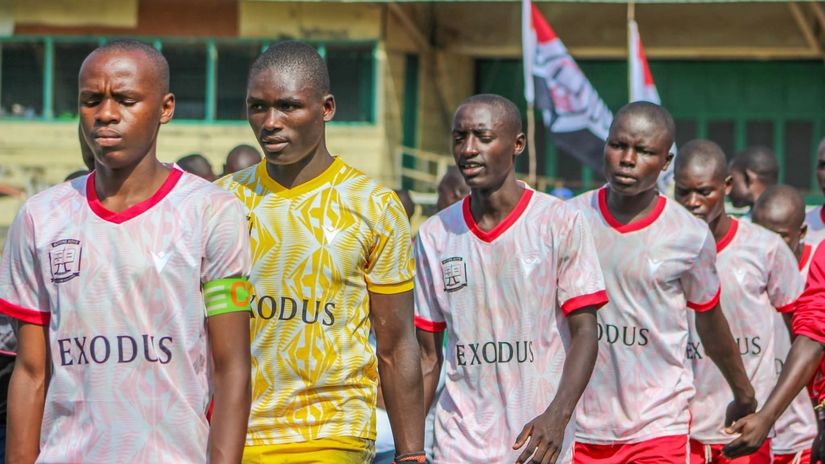
“At the national level, more than 64 teams compete for one trophy. You start at the group stage, then move to the round of 16, and on to the final. It’s a long process, and by the end, only the best teams remain.”
Kamulinde added that early preparations and strong institutional backing give Ugandan teams a further edge.
"We also get the needed support; it’s not easy to do it alone without the goodwill of those in power,” he said.
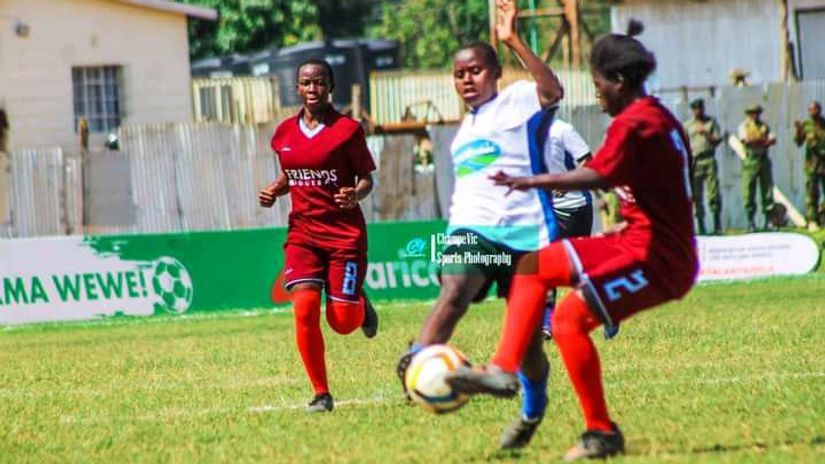
In contrast, Kenya’s national competitions feature just eight teams, the champions from each of the eight regions.
In football, those eight sides are split into two groups, with the top two from each group proceeding directly to the semi-finals.
The shorter format means fewer matches and arguably less competitive conditioning as compared to their Ugandan counterparts.
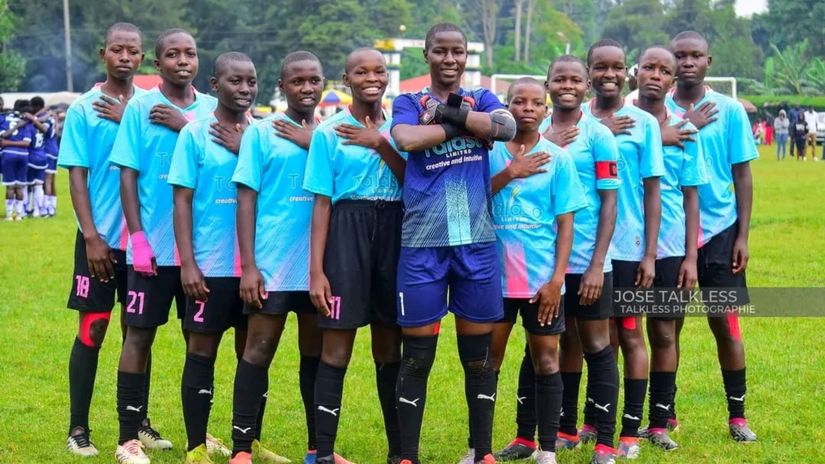
Uganda’s longer and more gruelling structure starts at the group stage, progresses to the last 32, and continues through multiple knockout rounds.
Coaches say this rigorous format sharpens teams both mentally and physically before they meet regional opponents.
Kamulinde also praised record FEASSA football champions St Mary’s Kitende, but warned that other emerging schools could spring surprises.
“Kitende have done well both locally and at East Africa level, and they remain strong. But there are new teams now who can also perform well,” he concluded.