


Auditor-general reveals Talanta Stadium illegally costs Ksh10.85 billion more
.jpg)
.jpg)







Reading Time: 4min | Mon. 23.02.26. | 18:24
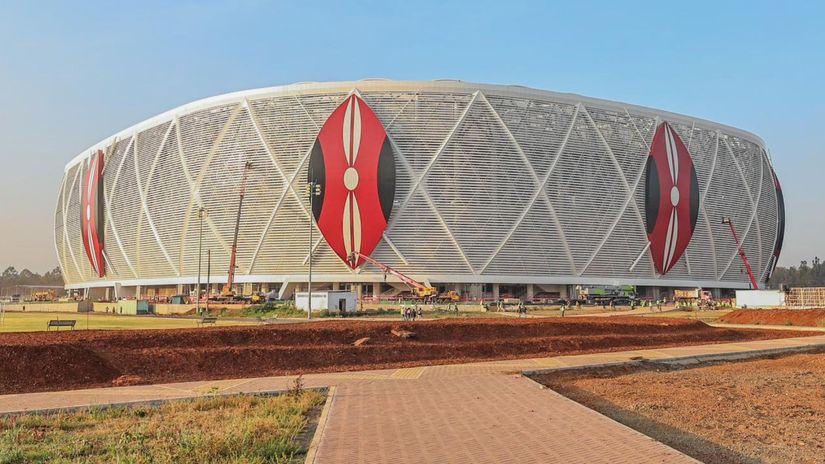
The 60,000-capacity stadium is designed to serve as a premier football arena and is expected to host matches during AFCON 2027, which Kenya will co-host alongside Uganda and Tanzania, scheduled for 18 June to 19 July
The construction of Talanta Stadium, the 60,000-seater arena rising in Nairobi and earmarked as a key venue for the 2027 Africa Cup of Nations (AFCON), has been thrust into sharp focus after the Auditor-General flagged an alleged Ksh10.85 billion cost inflation in the project.
Follow our WhatsApp channel for more news
In a report on the accounts of the Ministry of Defence for the 2024/25 financial year, Auditor-General Nancy Gathungu questioned the unexplained variation between the National Treasury’s approved funding and the final contract sum, while also raising concerns about the legality of the procurement process in findings as reported by the Daily Nation.
According to the audit, the National Treasury had approved project funding of Ksh35 billion to be drawn from the Sports and Arts Social Development Fund (SASDF) under a six-year payment plan.

However, the contract signed on May 26, 2024, between the Ministry of Defence and a foreign contractor placed the project cost at Ksh45.85 billion.
“This is against a contract amount of Ksh45.85 billion, resulting in an unsupported price variation of Ksh10.85 billion,” the audit report states.
The project was awarded under a two-year contract, placing its expected completion date in May 2026.
As of June 1, 2025, the implementation report indicated that construction stood at 44.54 per cent complete, with 15 months remaining to the contractual deadline.
Cumulative payments to the contractor at that stage amounted to Ksh2 billion, approximately 4.5 per cent of the total contract sum.
The audit further notes that the contract was awarded through direct procurement, a method that, according to the report, did not meet the competitive and direct procurement criteria set out in the Public Procurement and Asset Disposal Act of 2015.

Additionally, clearance from the Attorney-General, required by law for contracts exceeding Ksh5 billion, was not provided for audit.
At the time the contract was signed, the Attorney-General was Justin Muturi. Speaking to the Daily Nation, Muturi said his clearance was never sought.
“Talanta Sports City contracting is one of the greatest heists to ever happen under the Kenya Kwanza regime,” he claimed, adding that he had raised concerns over the procurement process.
I have conducted a comprehensive inspection of the Talanta City Stadium, which now stands at 66% completion.
— H.E Salim_Mvurya, EGH. (@Waziri_Mvurya) November 14, 2025
By the end of December 2025, all exterior and major infrastructural works will be finalized, paving the way for the contractor to commence finishing works in preparation… pic.twitter.com/UbXlFt2TOX
The audit findings also placed Defence Principal Secretary Patrick Mariru under scrutiny, as the Ministry of Defence oversaw the procurement after responsibility was transferred from the Ministry of Sports, Culture and Social Services.
From a football perspective, Talanta Stadium remains central to Kenya’s continental ambitions.
The 60,000-capacity stadium is designed to serve as a premier football arena and is expected to host matches during AFCON 2027, which Kenya will co-host alongside Uganda and Tanzania, scheduled for 18 June to 19 July.
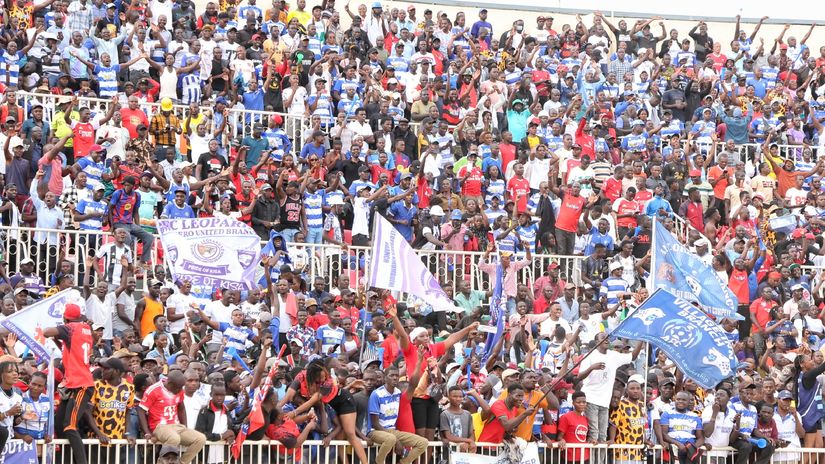
The tournament represents a major milestone for Kenyan football, marking the country’s return to hosting a continental showpiece in over three decades after failing to host the 1996 edition despite being awarded the hosting rights due to the unavailability of suitable venues.
The stadium project is financed through a bond listed on the Nairobi Securities Exchange and serviced via the SASDF, with payments estimated at Ksh3.4 billion every six months.
The audit warns that late payments could attract interest at three per cent above the Central Bank of Kenya’s average base lending rate, potentially escalating the overall cost further.
Despite the financial and legal questions raised, construction continues as Kenya races against time to deliver a venue that meets Confederation of African Football (CAF) standards ahead of 2027.
The facility is reported to be nearing completion phases structurally, even as scrutiny intensifies over its funding model and procurement pathway.
Talanta Stadium was conceived as a transformative football project, a modern cathedral of the game capable of elevating Kenya’s sporting infrastructure and match-day experience.
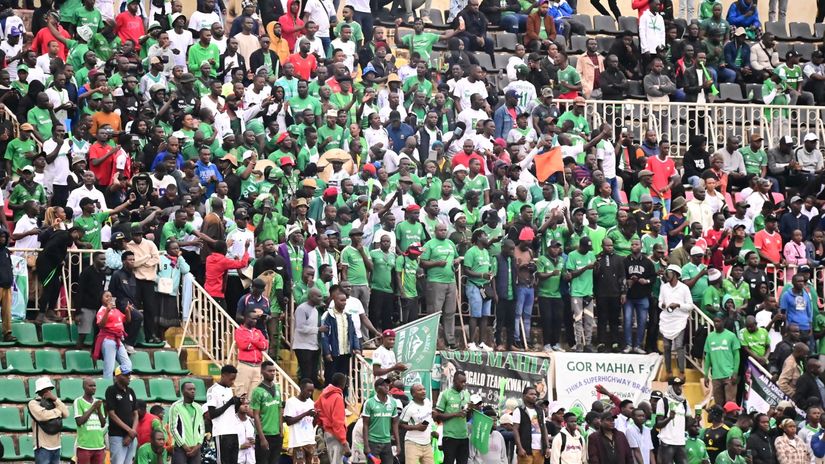
With the AFCON 2027 deadline firmly in sight, the challenge now is twofold: to ensure the stadium is delivered on schedule by May 2026, and to address the governance concerns that have emerged.