


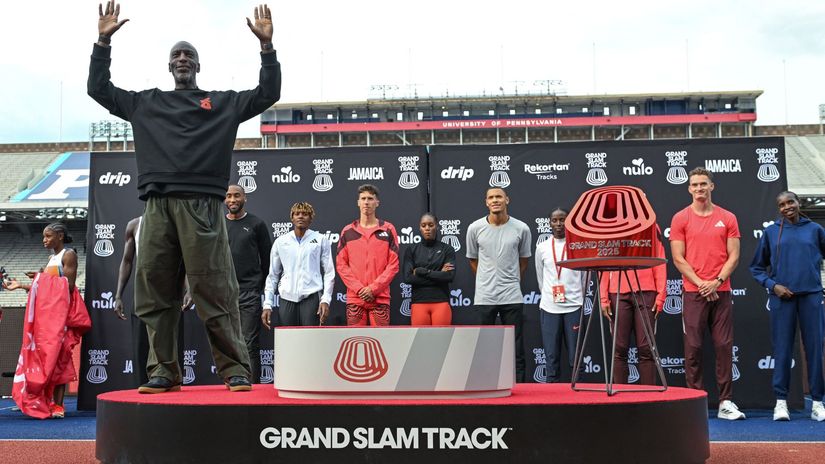
Why fans will not enjoy Grand Slam Track’s return anytime soon

.jpg)

Reading Time: 3min | Tue. 19.08.25. | 21:38
It promised more than $3 million (approximately Ksh387 million) in prize pools per meet, with race winners taking home $100,000 (approximately Ksh12 million)
Just over a year after Michael Johnson launched the ambitious Grand Slam Track league with promises of record-breaking prize money and a fresh stage for athletes, the project faces an existential crisis.
Follow our WhatsApp channel for more news
The four-time Olympic champion confirmed on Friday, 15 August, that the circuit will not return in 2026 unless millions of dollars in unpaid prize money and appearance fees from its inaugural season are settled.
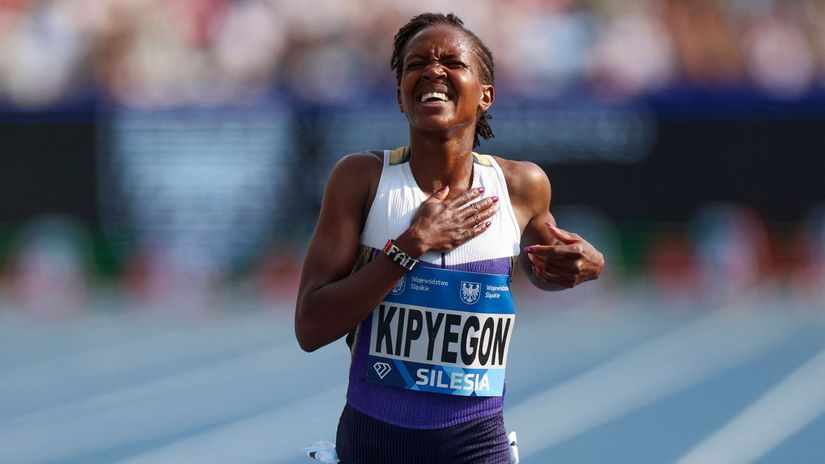
When Johnson first unveiled Grand Slam Track in Los Angeles in the summer of 2024, the pitch was electrifying. The promising league was backed by $30 million (approximately Ksh3.9 billion) in pledged funding.
It promised more than $3 million (approximately Ksh387 million) in prize pools per meet, with race winners taking home $100,000 (approximately Ksh12 million), five times more than what the Diamond League offers.
The model also included annual base pay for 48 contracted athletes and shared revenue through group licensing, giving the sport’s stars a chance to finally earn salaries comparable to other professional athletes.
The idea drew immediate interest, with top names like Britain’s Daryll Neita, Matthew Hudson-Smith, and world 1500m champion Josh Kerr signing on.
Grand Slam staged its first three meets in 2025: Kingston, Miami, and Philadelphia, before money troubles began to bite.
The Philadelphia meet was cut from three days to two, and the planned finale in Los Angeles was scrapped altogether after fresh investment failed to arrive.
What followed has left athletes and vendors frustrated. According to industry outlet Front Office Sports, the league owes around $13 million (approximately Ksh1.6 billion) to competitors alone.
Johnson admitted that delays in securing promised funding created a “cash crunch” that crippled operations.
“It is incredibly difficult to live with the reality that you’ve built something bigger than yourself while simultaneously feeling like you’ve let down the very people you set out to help.
We promised that athletes would be fairly and quickly compensated. Yet, here we are struggling with our ability to compensate them,” Johnson said in a statement.
While Johnson has vowed that the league will not fold, he has made it clear that the future of Grand Slam hinges entirely on settling its debts.
“The 2026 season will not happen until these obligations are met, and that is my number one priority. We are putting systems and partnerships in place to ensure such a breakdown never happens again,” the statement read.
For fans, it means the much-hyped alternative to the Diamond League will remain on ice until further notice.
For athletes, many of whom signed on with the expectation of career-changing payouts, the wait for their promised compensation continues.