


Popularity or performance? - President Ruto’s multi-million bonus for Harambee Stars stirs debate

Reading Time: 4min | Sat. 09.08.25. | 07:55
While the football team counts their winnings, the Head of State’s recent gesture has triggered debate over fairness in rewarding national athletes
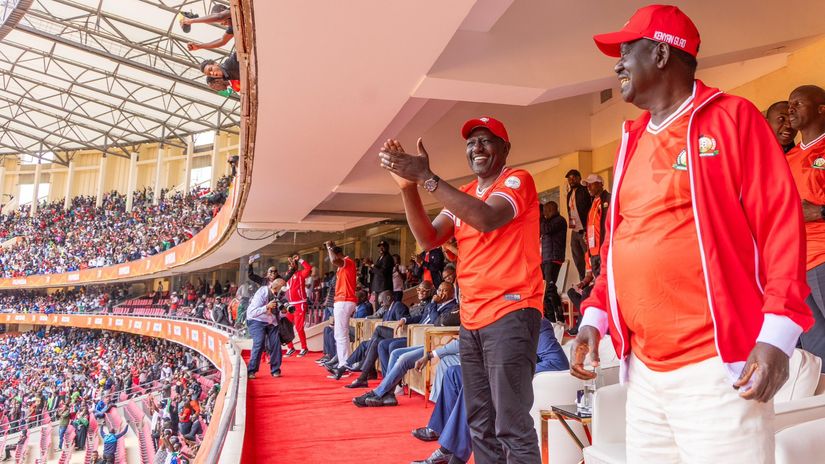
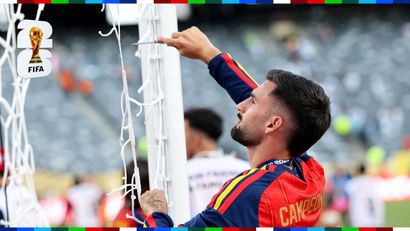
Harambee Stars are basking in glory and money after receiving a multi-million shilling reward from President William Ruto for their 1-0 win over DR Congo in the 2024 African Nations Championship (CHAN) opener played on Sunday, 3 August, at the Kasarani Stadium.
Each of the 27 players received Ksh1 million, while the 15-member technical bench also benefited, bringing the total payout to Ksh42 million.
Follow Our WhatsApp Channel For More News
The pledge, delivered by Sports Cabinet Secretary Salim Mvurya, was confirmed by State House spokesman Hussein Mohammed.
President William Ruto has fulfilled his commitment to pay KSh1 million each to all 27 Harambee Stars players and 15 members of the technical bench, a total of KSh42 million, following the national team's 1-0 win over the DRC on Sunday. Sports ministry officials led by Cabinet…
— Hussein Mohamed, MBS. (@HusseinMohamedg) August 4, 2025
Beyond this, the President is expected to dish more cash to the team, following their impressive 1-1 draw with Angola on Thursday, 7 August.
As per Ruto’s promises, the entire Harambee Stars squad will each receive Ksh500,000 for their effort, while further rewards include: Ksh60 million if they reach the quarterfinals, Ksh70 million for a semifinal berth, and a staggering Ksh600 million should they clinch the CHAN title.
Harambee Stars players appealing to President Ruto to consider them for allocation in the Affordable Housing Programme, following their 1–0 victory over DRC.
— Hussein Mohamed, MBS. (@HusseinMohamedg) August 4, 2025
This is a powerful testament to a working, transformed & trusted system.
In just two & a half years, what hadn’t been… pic.twitter.com/WHqtrTYJ94
While the football team counts their winnings, the President’s gesture has triggered heated debate online over fairness in rewarding national athletes.
Many netizens lauded the financial motivation, but questioned the glaring imbalance in how Kenya treats its various national teams.
A widely shared post by Aleckie Ronald on X (formerly Twitter) read: “We have National teams who do well in Continental tournaments and barely get recognized, Malkia Strikers, Shujaa, so you wonder how they feel when they see millions being dished out for one team. That’s why the handout system is not food for sports; put structures in place.
Imagine being in a national team like Malkia Strikers, watching Harambee Stars get Ksh1 million each from one match, while the same government can barely give you Ksh1 million for the entire team? They have also won titles. They deserve to be recognized.”
We have National teams who do well in Continental tournaments and barely gets recognized, Malkia strikers, Shujaa, so you wonder how they feel when they see millions being dished out for one team, that's why hand out system is not food for sports, put structures in place.
— Aleckie Ronald (@SirAlexas) August 4, 2025
The debate has reopened old wounds across the sports fraternity, especially among teams that have flown the Kenyan flag high under difficult circumstances.
In July, the Kenya 15s national team, the Simbas, gave a commendable performance at the 2027 Rugby Africa Cup qualifiers, beating Uganda in the quarterfinals, before narrowly losing to Zimbabwe in the semifinal and Algeria in the third-place playoff.
Notably, before the semifinals, Zimbabwe’s President Emmerson Mnangagwa boosted his national team, the Sables, with a $100,000 (approx. Ksh13 million) incentive.
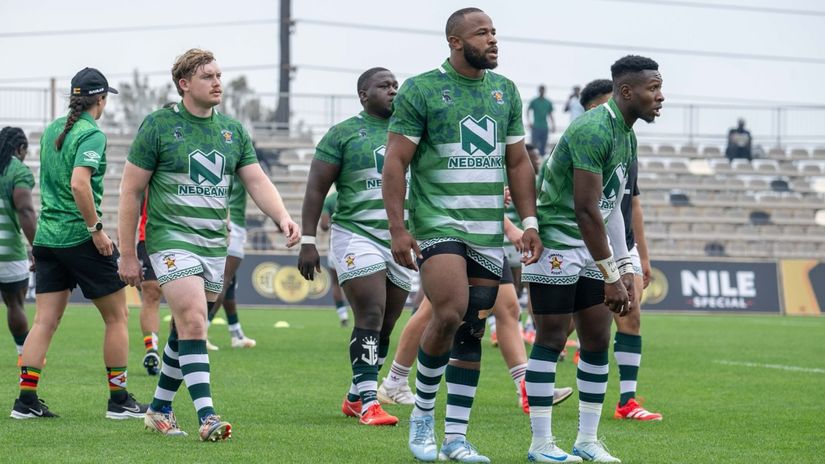
That gesture, many argue, played a part in the Sables’ eventual qualification for the World Cup.
Questions now swirl around whether similar motivation from the Kenyan government could have changed the Simbas’ fate.
The issue also highlights how women’s teams continue to face neglect.
Harambee Starlets are yet to receive their allowances for an international friendly against Côte d’Ivoire played in April, despite numerous government promises.
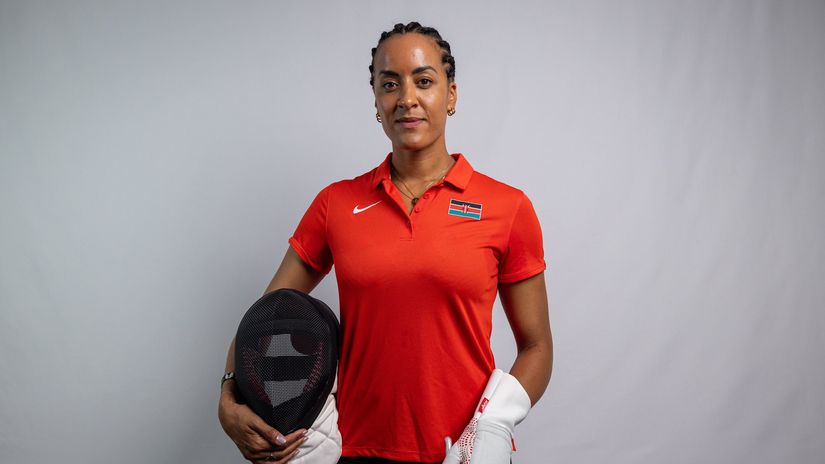
Meanwhile, Kenyan international fencer Alexandra Ndolo, who switched allegiance to Kenya from Germany, has had to miss key competitions due to lack of support.
And then there’s the Lionesses, Kenya’s women’s rugby sevens team, who were promised Ksh2 million by the Ministry of Sports back in May, following their stunning performance at the HSBC Challenger Series.
The impressive Lionesses won the opening two legs in South Africa, before emerging victorious in the third leg in Poland to qualify for the Los Angeles playoffs.
At the playoffs, the impressive Lionesses capped off a gritty and resilient campaign with a hard-fought 17-14 win over South Africa in the women’s playoff final, securing their slot in the 2026 HSBC SVNS Division II.
This followed heavy pool-stage defeats to Spain (33-14) and Brazil (28-10), and a narrow 7-5 win over Colombia.
Were it not for the changed World Rugby change in format, the Lionesses would have made history by qualifying for the HSBC World Rugby 7s Series for the first time in Kenya’s history. To date, the money has yet to hit their accounts.

All of this is happening as the Malkia Strikers quietly prepare for the upcoming FIVB Women’s World Cup Championship, with little fanfare or financial commitment from the same government.
It begs a serious question: Can Kenyan sports thrive if government support is selective, inconsistent, and seemingly guided by popularity rather than performance?