

End of an era as Nairobi exits Safari Rally route




Reading Time: 3min | Fri. 26.12.25. | 10:47
The changes come after a memorable 2025 edition, which saw Elfyn Evans become the first British driver in 23 years to win the WRC Safari Rally Kenya
Nairobi will not feature in the 2026 Safari Rally Kenya, marking a significant shift in the route of the World Rally Championship (WRC) event since its return to the global calendar four years ago.
Rally organizers have confirmed that the 2026 edition, scheduled from Thursday, 12 March, to Sunday, 15 March, will drop the traditional Kasarani Super Special Stage. The Nairobi-based head-to-head stage had served as the ceremonial start of the rally since 2021, meaning the event will no longer visit the capital.
In another major change, the rally week has been shortened by one day. The shakedown stage has been moved from Wednesday to Thursday morning, with the five-kilometer Nawisa test set to serve as the official shakedown ahead of competitive action.
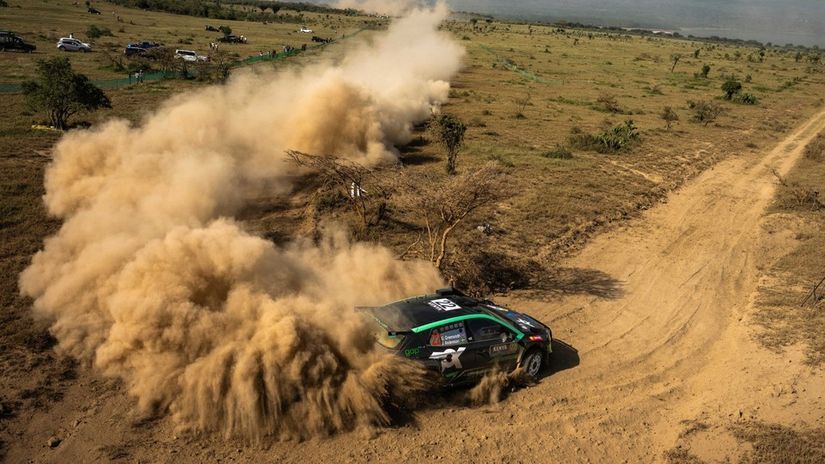
The rally will officially begin on Thursday afternoon, with crews tackling the familiar Camp Moran and Mzabibu stages around Naivasha. Much of the route mirrors the 2025 layout, with the service park and rally headquarters remaining in Naivasha, approximately 100 kilometers from Nairobi.
Friday is expected to be the longest and most demanding day of the rally, featuring eight stages. Drivers will complete double runs of Loldia, Kengen Geothermal, Kedong, and Camp Moran, covering a total of 136.55 competitive kilometers.
Saturday’s action will take place across the savannah, with six stages made up of double runs through Soysambu, Elmenteita, and Sleeping Warrior, totaling 123 kilometers.
The rally will conclude on Sunday with four stages, including repeat runs of Oserengoni and Hell’s Gate. The iconic Hell’s Gate Power Stage will once again decide the final standings and offer crucial bonus points.
Safari Rally Kenya will be the third round of the 2026 WRC season, featuring 20 special stages covering a total of 350 competitive kilometers.

The changes come after a memorable 2025 edition, which saw Elfyn Evans become the first British driver in 23 years to win the WRC Safari Rally Kenya. The Welshman, navigated by Scott Martin, capped off his victory in emphatic fashion by winning the closing Wolf Power Stage at Hell’s Gate to claim an additional five championship points.
Evans, the son of 1996 British Rally Champion and former WRC driver Gwyndaf Evans, opened the final day with a 1:54.4-minute lead and steered his Toyota GR Yaris Rally1 clear of trouble to secure the coveted Safari title. He recorded four stage wins and effectively sealed his campaign when Estonian rival Ott Tänak ran into trouble on Friday.

The victory made Evans the first Briton to win the historic Safari Rally since Colin McRae and Nicky Grist triumphed in 2002 in a Ford Focus RS WRC 02. It also added to his Rally Sweden victory, strengthening his championship challenge.
Behind Evans, Tänak and reigning world champion Thierry Neuville of Belgium completed the podium, both driving Hyundai i20s. Tänak finished 1:09.9 minutes behind the winner, with Neuville more than three and a half minutes adrift.