


TACTICAL ANALYSIS: How tactical flexibility and midfield control earned Kenya a vital win in Bujumbura







Reading Time: 5min | Fri. 10.10.25. | 09:00
The match was defined by tactical fluidity, in-game adjustments, and Kenya’s ability to capitalize on a numerical advantage following an early sending-off
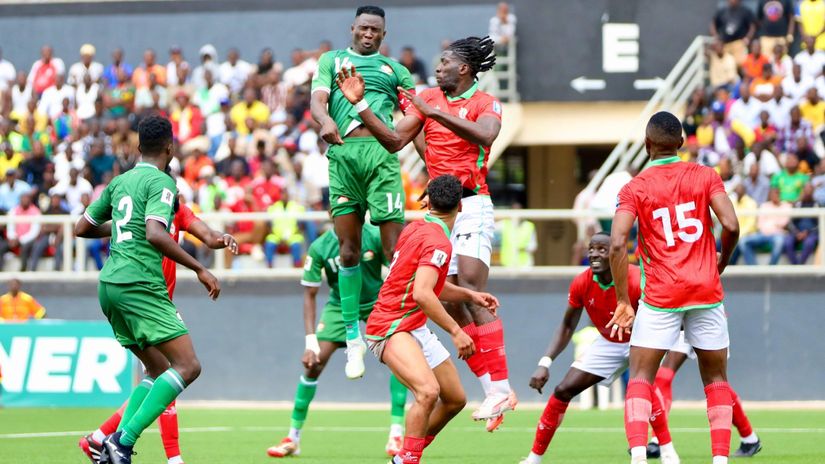
Kenya earned a hard-fought 1-0 victory over Burundi at the Prince Louis Rwagasore Stadium in Bujumbura, their third win in the 2026 FIFA World Cup Qualifiers.
Follow Our WhatsApp Channel For More News
The match was defined by tactical fluidity, in-game adjustments, and Kenya’s ability to capitalize on a numerical advantage following an early sending-off.
Burundi head coach Patrick Sangwa set up his team in a base 4-4-2 formation, with Jonathan Nahimana in goal behind a back four of Muderi Akbar, Marco Weymens, Moussa Omar, and Christophe Nduwarugira.
The midfield duo of Gael Birigimana and Henley Musanga anchored the center, supported on the flanks by Bienvenue Kanakilana and Jean-Claude Girumugisha, while Romeo Mbanza Vancy partnered Bonfils Caleb Bimenyimana up front.
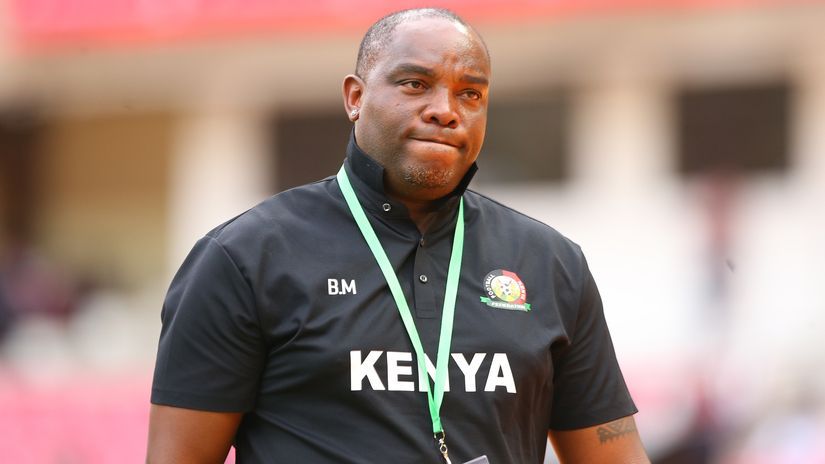
For Kenya, Bennie McCarthy retained his familiar 4-2-3-1 structure.
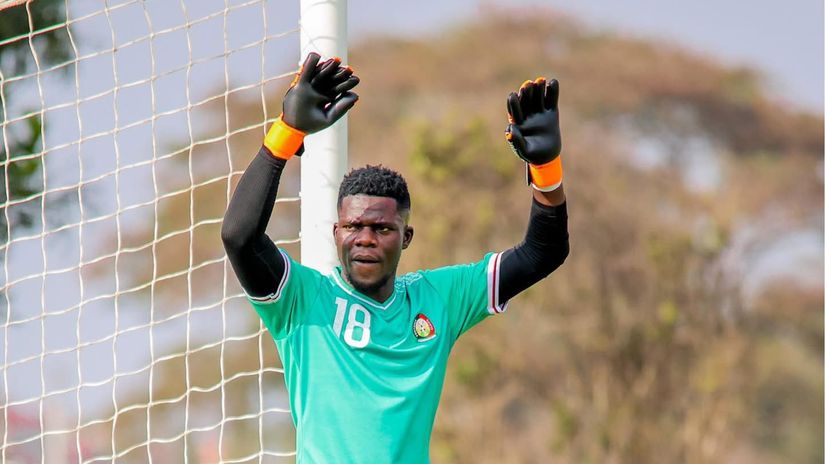
Brian Bwire started in goal behind a backline of Rooney Onyango, Vincent Harper, Collins Sichenje, and Sylvester Owino.
Duke Abuya and Manzur Okwaro provided midfield stability, with Austin Odhiambo operating as the creative hub ahead of them.
William Lenkupae and Adam Wilson offered width, while Michael Olunga led the line as the focal point of attack.
Early Incident and Tactical Reactions
The match took an early twist when Burundi striker Bimenyimana was sent off in the 6th minute following a collision with goalkeeper Bwire, which forced the Kenyan custodian off for Byrne Omondi.
The red card immediately altered the tactical complexion of the game, with Burundi retreating into a compact 4-4-1 block, leaving Mbanza isolated as the first line of defense.
Kenya looked to build from the back, with the centre-backs splitting and Okwaro dropping deep to form a triangle in the first phase of build-up.
Abuya took a higher position, offering vertical progression options.
With Burundi reduced to ten men, Kenya found it easier to advance the ball through the thirds.
However, Burundi remained organised and disciplined, narrowing spaces in their defensive block.
Burundi’s Compact Shape and Counter Threat
Despite being a man down, Burundi’s structure remained effective.
Their defensive block allowed Kenya possession but denied them penetration in central areas.
The hosts relied heavily on the pace of Girumugisha, whose direct runs on the right wing consistently troubled Kenya’s defence.
On the opposite flank, Akbar and Kanakilana combined well on the counter, with one such move earning Vincent Harper a yellow card after he was caught out of position.
Burundi still attempted to build from the back when in possession.
Their center backs split wide with fullbacks pushing high to aid progression, while Nahimana acted as a third passing outlet to escape Kenya’s disorganized 4-4-2 press.
In attack, the wingers tended to drift centrally to create overloads—a strategy that briefly confused the Kenyan fullbacks.
Although Burundi created half-chances through these movements, their finishing lacked precision.

By halftime, the score remained 0-0, with Burundi looking more composed despite their numerical disadvantage.
McCarthy’s Second-Half Adjustments
Recognising his team’s lack of fluency in the final third, McCarthy made an immediate tactical adjustment after the break.
Timothy Ouma replaced Harper, prompting a reshuffle that saw Okwaro drop to left-back and Kenya transition into a 4-3-3 formation. Ouma anchored the midfield, with Odhiambo and Abuya taking up advanced roles.
The new structure provided greater attacking balance and improved control in central areas.
Okwaro’s deeper positioning formed a rest defence of three with Owino and Sichenje, limiting Burundi’s counter-attacking potential.
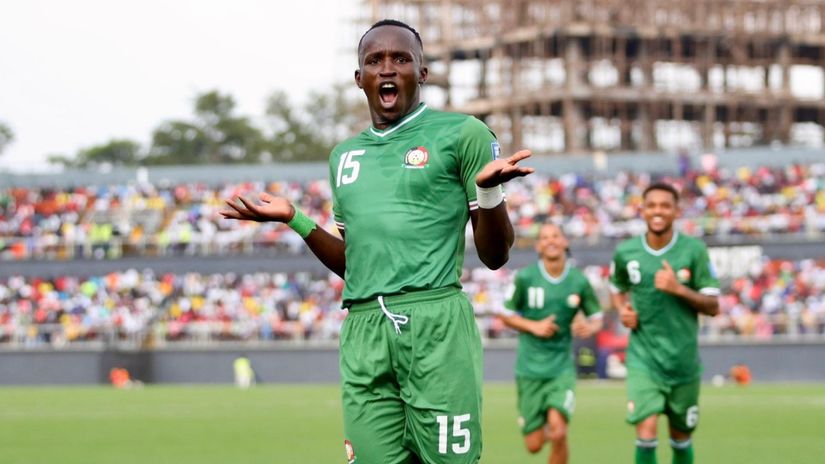
Rooney Onyango was given license to push forward, providing width and extra numbers in attack.
Unlike the first half, where Kenya primarily relied on wide play and crosses targeting Olunga, the second period saw a shift towards central penetration and long-range shooting.
With three attack-minded midfielders, Kenya began to combine better between the lines, creating numerical advantages in midfield.
This forced Burundi’s lone striker, Mbanza, to drop deeper, further reducing the hosts’ counter-attacking outlets.
Impact Substitutions and Decisive Moment
In the 65th minute, McCarthy made another tactical switch, introducing Job Ochieng and Ryan Ogam for Odhiambo and Abuya.
The move reshaped the team into a 4-4-2 formation, with Lenkupae moving into midfield and Ogam joining Olunga upfront.
Kenya continued to probe centrally, and the breakthrough arrived in the 72nd minute.
A clever exchange between Ouma and Olunga found Ogam at the edge of the box.
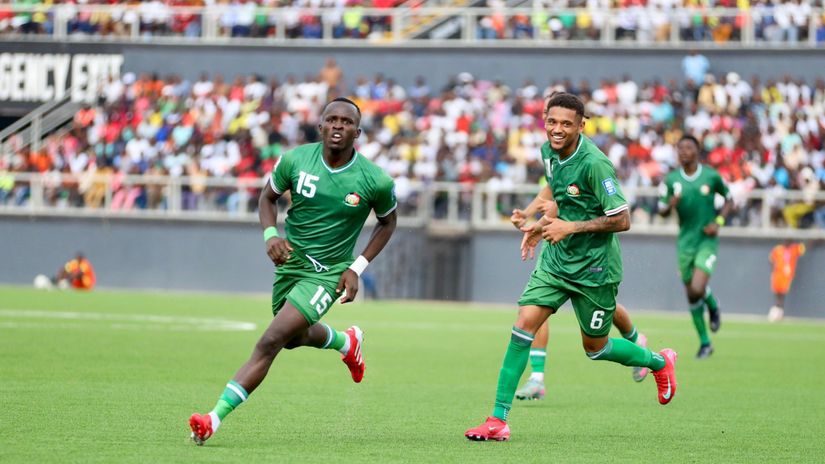
The Wolfsberger AC striker unleashed a thunderous strike into the top-left corner, breaking the deadlock and rewarding Kenya’s increased central emphasis.
Following the goal, McCarthy prioritised game management.
Kenya became more conservative, focusing on ball retention and compactness to protect the lead.
The coach doubled-marked Girumugisha to neutralise Burundi’s most dangerous outlet. In the 81st minute, Olunga and Wilson were withdrawn for Marvin Nabwire and Boniface Muchiri, signalling a return to the original 4-2-3-1 setup.
Ouma and Nabwire anchored the midfield, Lenkupae operated as the playmaker, and Ogam led the line as the lone striker.
Tactical Discipline Wins the Day
Kenya’s victory was a product of McCarthy’s adaptability and in-game tactical management.
The early red card gave the visitors control, but Burundi’s compact defensive organization initially frustrated them.
McCarthy’s second-half adjustments, particularly the shift to a 4-3-3 and later to a 4-4-2, injected dynamism and attacking balance.
FT
— Harambee Stars (@Harambee__Stars) October 9, 2025
Burundi 0-1 Kenya
⚽ Ryan Wesley Ogam!
📸 | Scenes we love ♥️ pic.twitter.com/s93pJtg1P9
Ogam’s decisive strike reflected Kenya’s improved central play and willingness to exploit spaces between the lines.
Meanwhile, disciplined defending and well-timed substitutions ensured the team maintained their lead until the final whistle.
Ultimately, Kenya’s ability to adjust their tactical structure, manage transitions, and remain compact defensively defined the contest, a mature away performance that lifted them above Burundi in the standings.