


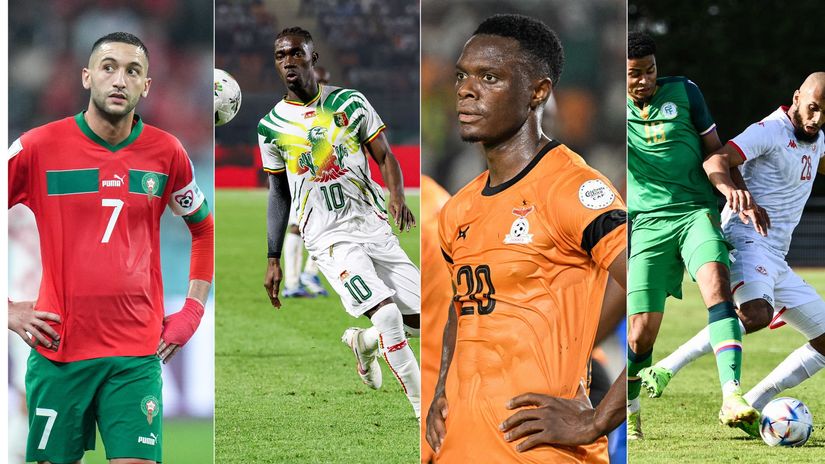
TACTICAL ANALYSIS: Dissecting AFCON's Group A headlined by hosts Morocco and Mali

.jpg)




Reading Time: 7min | Mon. 15.12.25. | 17:33
Morocco’s pursuit of continental glory begins here - but every team in this group arrives armed with a tactical blueprint capable of complicating that quest.
With Africa’s premier football showpiece gracing us once again, Mozzart Sport brings you in-depth tactical analysis of all 2025 Africa Cup of Nations (AFCON) participating teams, what to expect from the coaches, the key players that make the systems work and who might advance to the next round.
The 2025 Africa Cup of Nations, running from Sunday, 21 December to Sunday, 18 January 2026, in Morocco, opens with a Group A lineup packed with narrative tension and contrasting footballing identities.
Follow our WhatsApp channel for more news
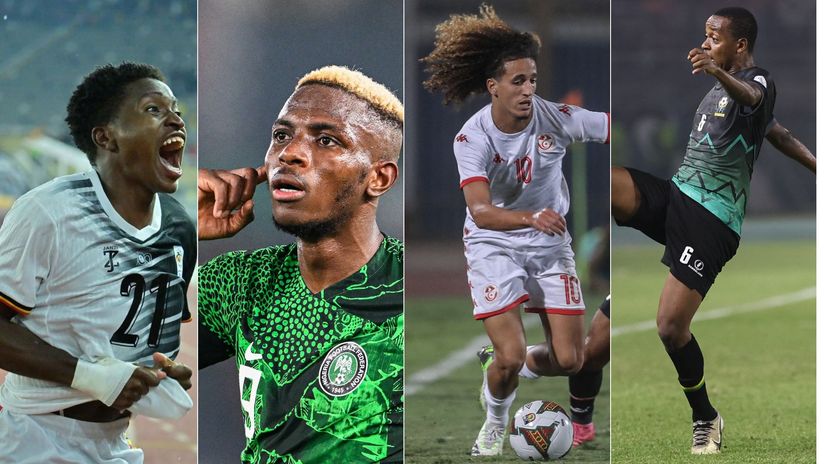
Hosts Morocco are joined by Mali, Zambia, and Comoros – four nations entering the tournament with distinct trajectories, tactical philosophies, and historical baggage.
With the top two sides qualifying automatically and four third-placed teams across all groups also eligible for the Round of 16, every point becomes a potential tournament-defining moment.
Chronologically, Group A feels like a story that begins with high expectations from a continental giant, who is threatened by a rising counter-power, and is complicated by two unpredictable challengers whose tactical systems differ dramatically.
Each side brings a clear identity: Morocco with high-octane pressing and flank dominance; Mali with compact structural discipline; Zambia with synchronised pressing and transition aggression; and Comoros with their trademark compactness, deep blocks, and vertical counter-attacking down the flanks.
Morocco
From the onset, Morocco carries the weight of a nation dreaming of a first AFCON crown in 49 years.
Under Walid Regragui, the Atlas Lions have evolved into one of Africa’s most tactically mature sides. Their system emphasises a man-oriented high press designed to suffocate opponents in wide areas, forcing turnovers where they can strike quickly.
In possession, Morocco frequently builds in 3-2-5 or 2-2-6 with a 4-4-2 out of possession structures, pushing their fullbacks high and their wingers into aggressive isolation against opposing defenders. This allows them to create wide overloads, stretch backlines, and generate waves of pressure around the penalty area.
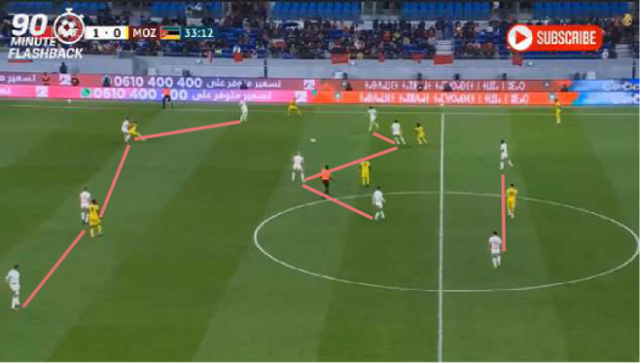 Atlas Lions’ compact 4-4-2 OOP structure underpins their 1–0 friendly win vs Mozambique (14–11–2025)
Their qualifying campaign was a demolition job – six wins from six, 26–2 in goal difference, and complete territorial dominance.
Morocco’s layered possession play and wide verticality are complemented by controlled pressing triggers, smart positional rotations, and a rest-defence holding the fort behind the advanced unit.
While this structure is devastating when it works, their occupation of the final third leaves them vulnerable to fast opposition transitions if possession is lost cleanly.

Regragui’s key figures give the system life. Brahim Díaz operates between the lines, drifting wide, manipulating space with creativity, while Azzedine Ounahi offers line-breaking dribbles and progressive carries as the organising midfielder.
Sofyan Amrabat anchors the structure, ensuring stability during high-possession phases. Bilal El Khannouss could dictate tempo, and wide attackers like Abde Ezzalzouli, Ismael Saibari and Ben Seghir supply Morocco’s trademark dribbling aggression.
Young striker Hamza Igamane adds penalty-box precision.
The major concern remains in defence generally and Achraf Hakimi’s injury; his absence would diminish Morocco’s right-sided verticality and transitional balance. Still, with home advantage, depth, and tactical clarity, Morocco enters AFCON 2025 as clear group favourites.
Mali
.jpg)
Mali’s journey tells a different story: less glamorous but tactically sophisticated.
Ranked 54th, they arrive as the group’s most dangerous disruptor. Under Tom Saintfiet, Mali defend in a 4-1-4-1 out-of-possession block that shifts into a compact 4-4-2, compressing central spaces and denying opponents vertical routes.
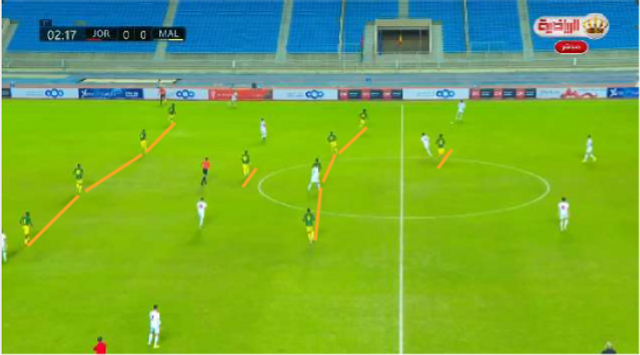 Mali’s compact 4-1-4-1 mid-block out of possession structure closed central lanes and funnelled Jordan players wide and activated key pressing triggers in their 0–0 friendly on 18–11–2025
This structure is designed to slow down fluid possession teams and force them toward wide areas where Mali can dictate pressing triggers.
In possession, Mali’s identity leans heavily on central progression and midfield overloads. Their technically gifted midfielders step high to combine, recycle possession, and dictate rhythm.
By overloading central corridors, Mali can isolate their wingers, then transition play outward before curving attacks back into the box through half-spaces.
Their play is less about volume of chances and more about manipulating structure - drawing teams inward before attacking the gaps created.
Their qualifying run – undefeated with just one goal conceded – reflected this tactical mastery.
Even without Yves Bissouma, the midfield remains elite. Aliou Deng and Mohamed Camara anchor the structure; Kamory Doumbia brings creativity; Dorgeles Nene and Lassana Coulibaly stretch defenses with vertical runs.
El Bilal Touré leads the line with dynamism and intelligence. Mali are disciplined, structured, and tactically mature - arguably the team most likely to frustrate Morocco and tilt the group.
Zambia
Zambia enter AFCON 2025 with contrasting energy - volatile, dangerous, and tactically intriguing.
Their story is shaped by turbulence: strong qualifying form followed by World Cup qualifying struggles and the subsequent dismissal of Avram Grant. Moses Sichone, taking charge only in November 2025, has had minimal preparation time, making Zambia the group’s wild card.
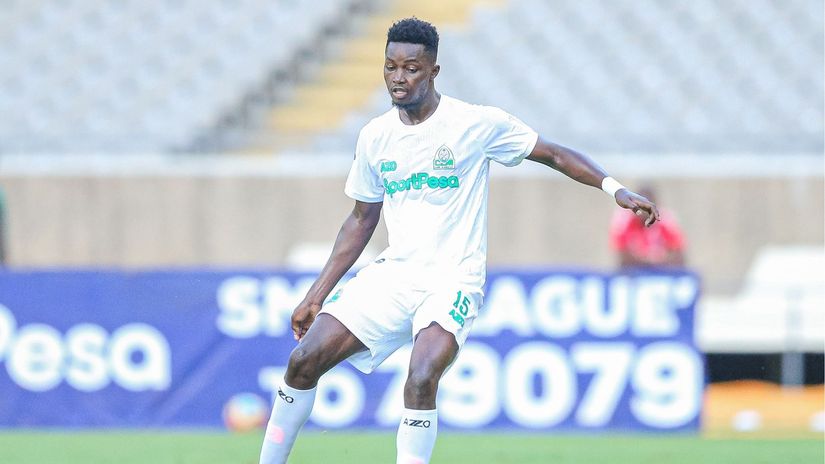
Yet Sichone has brought a distinct identity: a good synchronized, aggressive pressing system.
Zambia’s defensive structure revolves around intense pressure, collective movement, and forcing opponents into mistakes. Their press is organised, coordinated, and aimed at triggering turnovers high up the pitch. When they recover the ball, Zambia transitions with speed, turning opponent lapses into immediate goal threats.
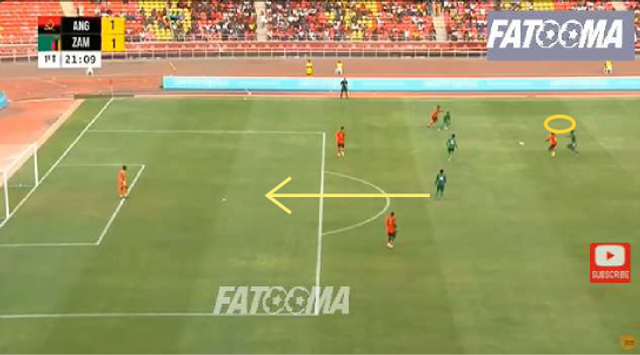 A well-timed midfield jump onto Angola’s pivot - dispossessed while facing back to goal - sparked the sequence that set up Jack Lahne’s first goal in Zambia’s 3–2 away friendly win on 18–11–2025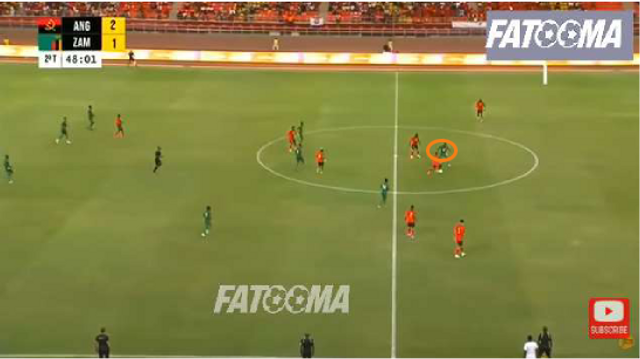
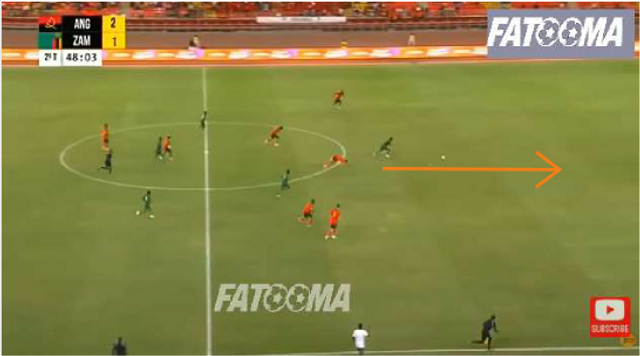 Fashion Sakala’s intelligently curved run, combined with his excellent body orientation and well-timed pressing movement, forced the Angolan defender into a turnover. That moment of pressure created a direct route to goal, allowing him to break through unopposed and slot home the equaliser in the 3–2 friendly away to Angola on 18 November 2025
Sichone is expected to alternate between 4-4-2 and 4-3-3 structures, emphasising compactness and vertical transitions.
Patson Daka thrives when attacking open space, Fashion Sakala brings unpredictability, while wide players such as Jack Lahne, Kingston Mutandwa, and Lameck Banda stretch play with pace and direct dribbling.
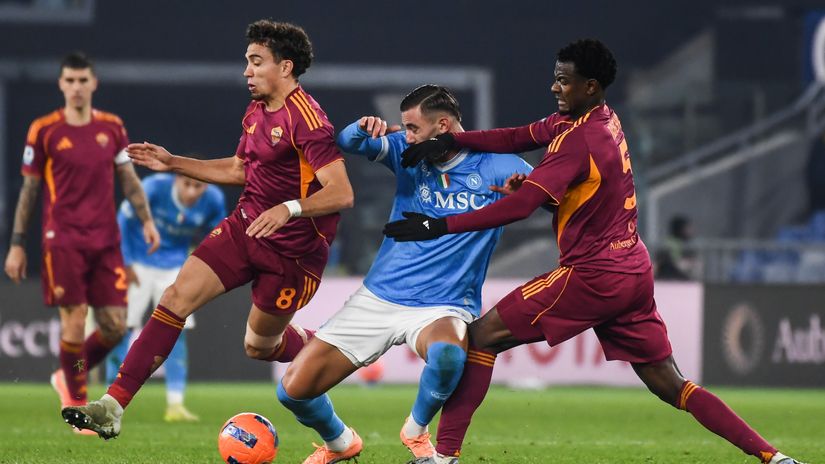
The midfield offers mobility and aggression, and veteran defender Stoppila Sunzu provides leadership at the back.
Zambia may lack stability, but their athleticism and counter-attacking venom make them capable of upsetting anyone - especially if their pressing triggers catch opponents sleeping.
Comoros
Comoros complete the group as the smallest nation but one of the toughest structurally.
Ranked 119th, they continue to defy expectations through tactical intelligence and collective cohesion. Their qualifiers - three wins, three draws, just four goals conceded - reinforced their status as Africa’s modern giant-killers.
Under Stefano Cusin, Comoros operate in a compact 5-4-1 mid-block that can drop into a low block when required. They prioritise defensive organisation, spatial discipline, and minimising central penetration.
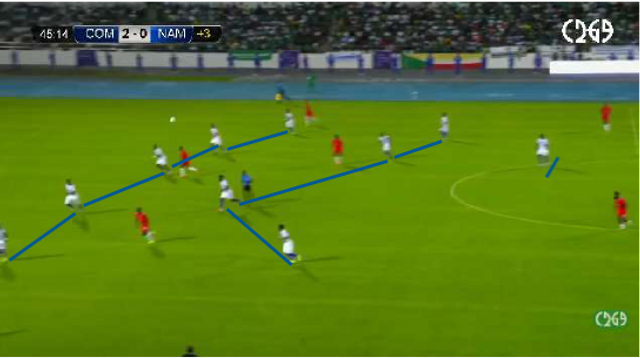 Comoros’ disciplined 5-4-1 out of possession block while controlling the game en route to a 4–0 friendly victory against Namibia (17–11–2025)
Their structure allows them to absorb long spells of pressure before pouncing on transition moments, typically down the flanks.
Their right side is especially dangerous, where the pace of Rémy Vita and Aymeric Ahmed offers instant verticality.
Late runs from Youssouf M’Changama add another layer of threat, particularly in broken-play sequences.
.jpg)
Comoros rely heavily on counter-attacks, set pieces, and transitional patterns. They may struggle with squad depth, but their tactical cohesion and bravery allow them to disrupt even the most established teams.
Viewed collectively, Group A promises not only competitive balance but also four distinct tactical identities that will shape every match. Morocco will dominate the ball, press aggressively, and attack through structured width.
Mali will use compactness, central overloads, and selective counters.
Zambia will hunt aggressively in the press, thrive in chaos, and exploit transitions. Comoros will sit deep, defend with discipline, and target fast, wide breakouts.
The projected hierarchy still leans toward Morocco finishing top, given their form, depth, and home advantage.
Mali’s maturity and defensive intelligence should secure second place. Zambia have the tools to advance as one of the best third-placed teams if their pressing and transitions sync at the right moments. Comoros, though limited by depth, remain capable of producing a major shock.
Ultimately, Group A sets the emotional and tactical tone for AFCON 2025. It blends a favourite seeking long-awaited redemption, a dark horse building toward something historic, a volatile contender rediscovering its identity, and an underdog determined to bend the narrative once again.
Morocco’s pursuit of continental glory begins here - but every team in this group arrives armed with a tactical blueprint capable of complicating that quest.