


TACTICAL ANALYSIS: Breaking down Simba and Yanga's game plan in Kariakoo Derby's stalemate


Reading Time: 5min | Mon. 02.03.26. | 15:45
One of African football's fiercest rivalries, saw Simba start stronger and dominate large periods, particularly in the first half, but Yanga's resilience - anchored by goalkeeper Djigui Diarra's key saves - ensured the points were shared
The Kariakoo Derby between Young Africans SC (Yanga) and Simba SC ended in a tense, hard-fought 0-0 draw on Sunday, 1 March at the New Amaan Complex in Zanzibar.
Follow our WhatsApp channel for more news
This Mainland Tanzania Premier League clash, one of African football's fiercest rivalries, saw Simba start stronger and dominate large periods, particularly in the first half, but Yanga's resilience - anchored by goalkeeper Djigui Diarra's key saves - ensured the points were shared.
Both teams lined up in familiar 4-3-3 structures, reflecting their preference for width and attacking intent in this high-stakes encounter.
For Yanga, Djigui Diarra anchored the goal, protected by a back four of Israh Mwenda (right-back), Ibrahim Bacca and Dickson Job (centre-backs), with Bakari Mwamnyeto replacing the injured Dickson Job around the 38th minute, and Mohammed Hussein (left-back).
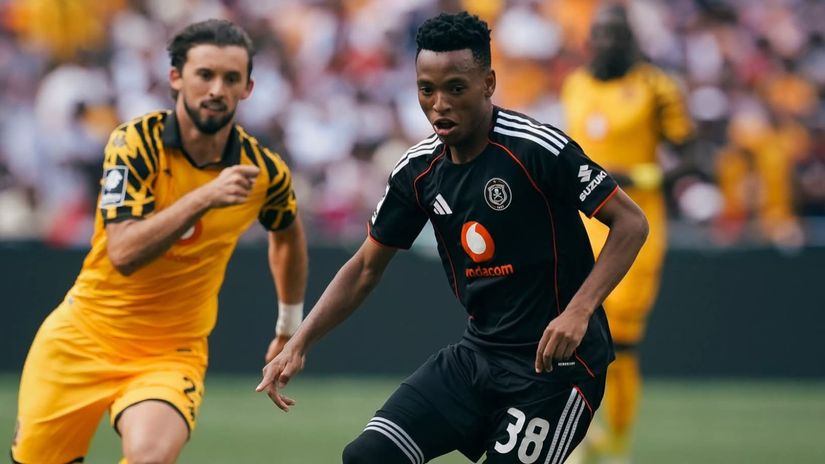
Duke Abuya and Mohamed Damaro operated as the two central midfielders, providing progression and defensive security, while Mudathir Yahya played as the advanced playmaker, drifting between the lines. Max Nzengeli and Prince Dube offered width on the flanks, with Laurindo Depu as the central striker.
Simba mirrored the shape but positioned their full-backs more aggressively wide. Djibrilla Kassali started in goal, with Shomari Kapombe (right-back), Nickson Kibabage (left-back), and central defenders Ismael Olivier Toure and Rushine De Reuck.
Yusuph Kagoma and Kante Alassane sat as deep pivots for balance, Clastous Chama as the creative midfielder higher up, Libasse Gueye on the right wing, Anicet Oura on the left, and Inno Loemba as a nominal striker who frequently dropped deep in false-nine fashion to link play.
Simba began the match on the front foot, asserting early dominance that exposed Yanga's initial struggles to settle.
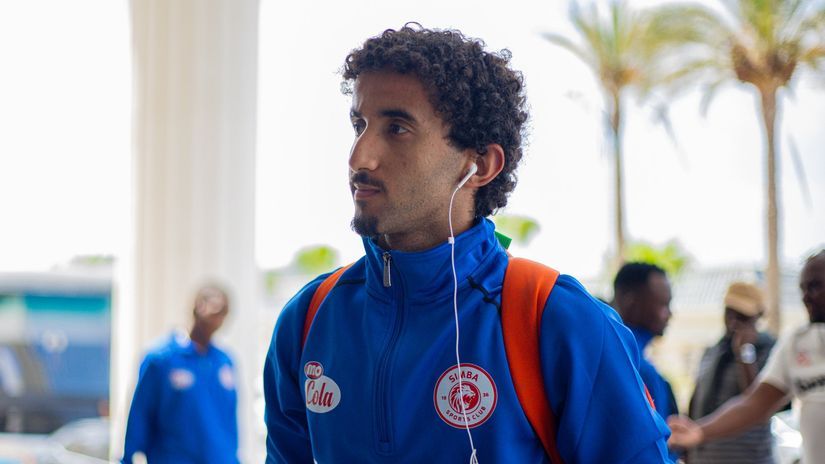
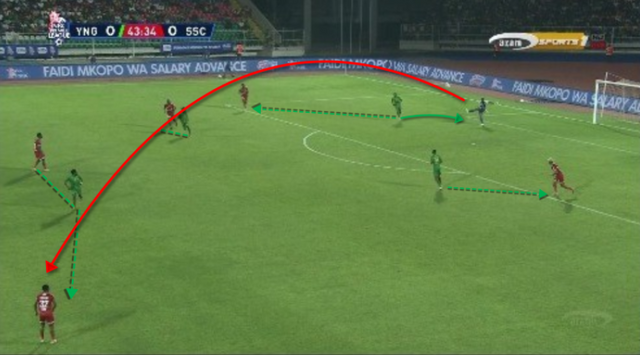
Their approach relied on patient low build-up from the back, but Yanga's aggressive pressure on the ball forced Simba into frequent long balls from goalkeeper Kassali, disrupting rhythm.
Simba targeted overloads and third-man combinations, especially on their left through Oura and Kibabage, creating dangerous moments in Yanga's attacking third.
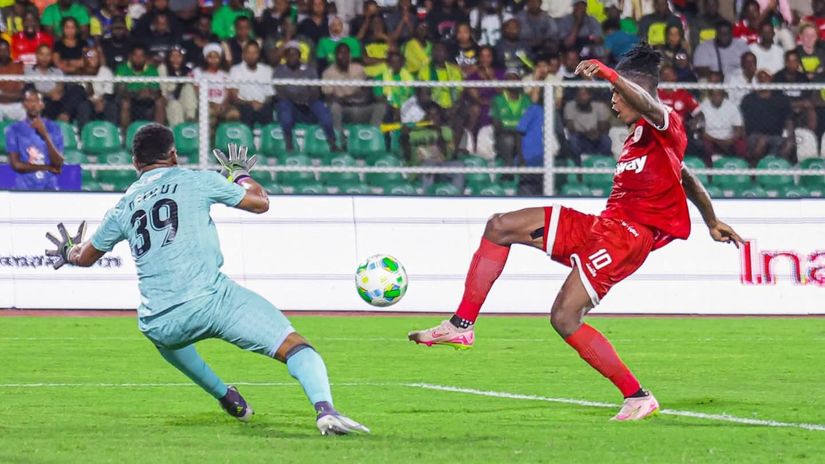
Gueye was isolated on the right to exploit space, and by the 12th minute, Simba forced Diarra into a double save during a sharp transitional attack that caught Yanga's retreating defense off guard.
Out of possession, Simba deployed a 4-4-2 mid-block, compact centrally but allowing Yanga some wide progression before stepping up.
They orchestrated a high press at times to limit Yanga's usual deep build-up comfort, pushing the hosts into hurried clearances.
Yanga absorbed this early pressure, reverting to a deeper shape to weather the storm before attempting counters.
On the ball, Yanga used Nzengeli dropping deep on the right to allow Mwenda to push high, establishing overlaps. The wide centre-backs (Bacca and Job) early on launched direct balls forward, targeting runners in behind, where wingers dropped into half-spaces for combinations.
As the first half progressed, Yanga grew into the game around the 40th minute. Simba's restarts went long too often, enabling Yanga to regain possession easily and build momentum.
Yahya operated intelligently between the lines, linking with Depu and creating chances through quick vertical passes.
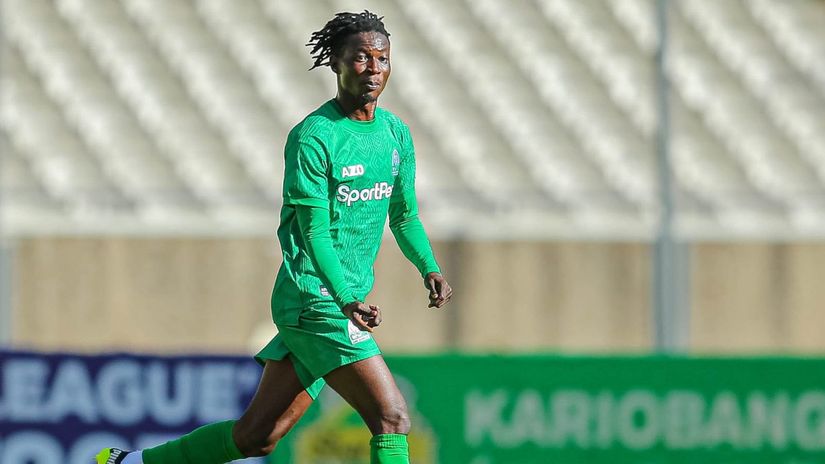
However, Simba's captain De Reuck stepped up decisively to intercept and block crosses, maintaining defensive solidity.
The second half saw tactical tweaks and increased intensity. Simba pushed Kibabage higher through the left half-space, joining the attack, with Loemba dropping deeper to orchestrate from midfield pockets.
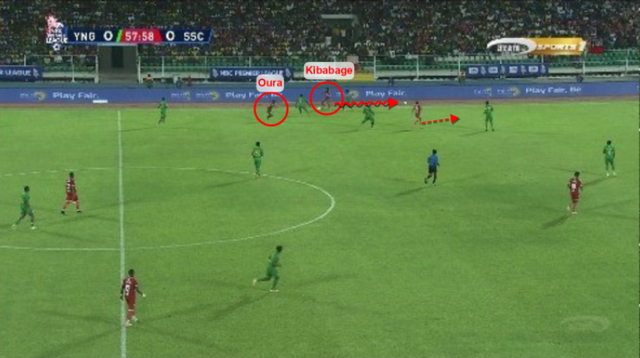
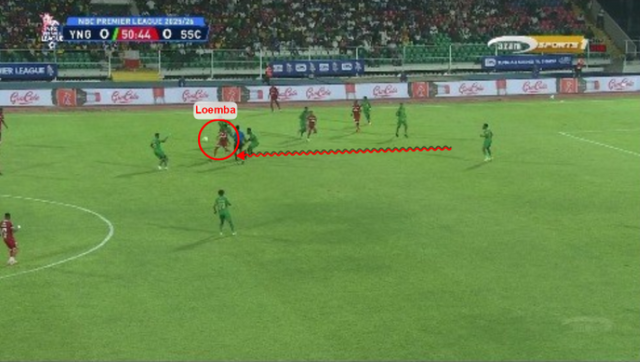
They targeted set-pieces to reach Yanga's third more frequently, while Yanga responded with a high, intense, aggressive press to force long balls and regain possession quickly for transitions.
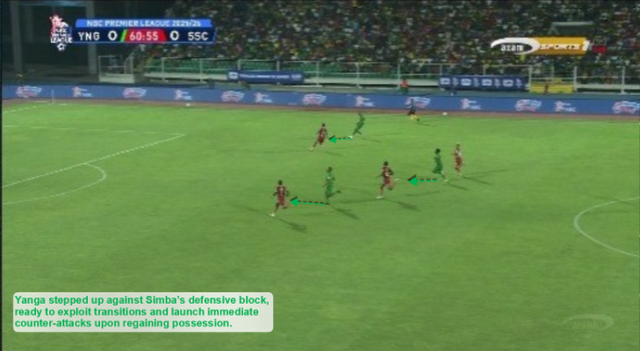
Yanga capitalised on these moments with long balls to runners exploiting space behind Simba's advancing line.
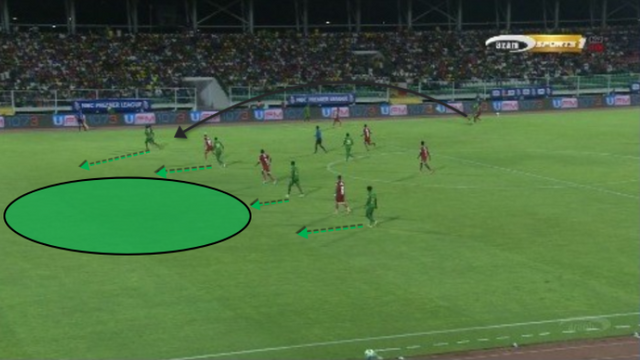
Around the 65th minute, both sides made attacking substitutions: Simba introduced Selemani Mwalimu (adding aerial threat), shifting Loemba into a more playmaking role; Yanga brought on Allan Okello and Buba for fresh legs and width.
Yanga overloaded wide areas, with midfielders joining wingers for numerical superiority in channels, building short-passing triangles and high-tempo progression on the right through full-back carries.
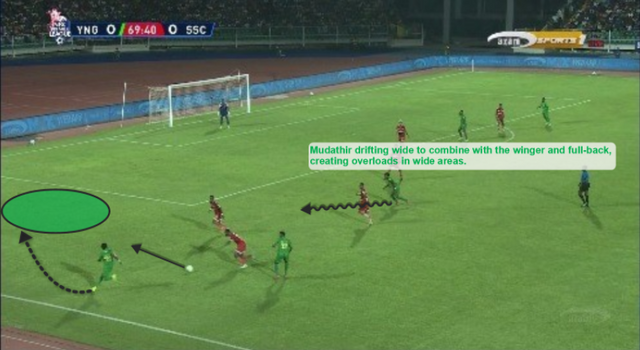
Simba nearly broke the deadlock in the 71st minute when Mwalimu headed Oura's left-sided cross, with the rebound goal disallowed for offside.
Kibabage continued pushing high, enabling crosses and flank switches to stretch Yanga. By the 75th minute, Yanga progressed effectively on the right with short combinations, but Simba punished possession losses around the 80th minute by releasing Oura on the left for counters.
In the closing stages, Loemba dropped into the right half-space deep, using hold-up play to lure Yanga defenders and create space for late thrusts.
Defensively, both teams showed discipline. Yanga's pressing disrupted Simba's patient build-up early but eased as the game wore on, allowing Simba to dominate territorially.
Simba's 4-4-2 mid-block contained Yanga's wide threats effectively, with De Reuck and Toure winning key duels.
Yanga's rest-defense held firm during transitions, limiting Simba's counters despite their intent. Neither side made radical shape changes, but game-state caution - knowing a draw favoured Yanga - contributed to the stalemate.
In conclusion, this Kariakoo Derby highlighted Simba's tactical edge in possession and pressing intensity, particularly in the first half, where they created the clearer chances and forced Diarra into heroics.
Their high full-backs and wide overloads stretched Yanga, but a lack of clinical finishing and vulnerability to counters prevented a breakthrough.
Yanga, meanwhile, demonstrated resilience and structural solidity, absorbing pressure before growing into transitions and wide overloads in the second half. Djigui Diarra's performance was pivotal in securing the point that keeps Yanga atop the table.
The draw reflects two well-matched sides in a title race, with Simba showing improvement under Barker but still needing a sharper end product, while Pedro Goncalves’Yanga’s defensive organisation and experience in big games preserved their supremacy in recent derbies. This tactical battle, devoid of goals, underscored the fine margins in Tanzania's fiercest rivalry.