



NSL: Long standing coaching friendship powering Kibera Black Stars’ Premier League dream





Reading Time: 8min | Tue. 28.04.26. | 19:17
And every single morning at Ligi Ndogo, as the first rays of sunlight slowly cut through the pitches and the city begins another chaotic day around them, two football friends continue carrying the hopes of an entire community on their shoulders while trying to guide a ghetto club towards history
Just a few metres before the sprawling Kibera slums sits a cluster of sized football pitches squeezed in the middle of a busy business hub, a place where matatus hoot endlessly, traders shout over each other, and life moves at a relentless pace.
Download our Mozzart Sport App for more news
To the locals, the grounds are simply another talent hub hidden within the heartbeat of Nairobi, but in Kenyan football circles, the area carries a far deeper identity and is famously known as Ligi Ndogo.
By 6:15 am every weekday, players slowly begin streaming in one by one, some carrying boots in their hands, others wrapped in hoodies against the Nairobi morning cold, while coaches arrive shortly after to prepare for yet another training session.

At that hour of the morning, it is usually the familiar faces of Kibera Black Stars that dominate the grounds as the club continues carrying a dream that was born nearly four decades ago.
For the players, coaches and the loyal community members who religiously follow the club, the routine represents far more than football.
It is the continuation of a vision first conceived in 1987 when the team was formed as a social tool to keep young people occupied during school holidays instead of drifting into crime, drug abuse and hopelessness.
The club would later be formally registered as a sports association in 1998, initially participating in local tournaments during school vacations before eventually taking the bold step of joining the FKF league system in 2009.
From there, Kibera Black Stars, also known as Yamama, slowly but steadily climbed through the ranks, eventually reaching the Nairobi Regional League as belief around the project continued to grow.
A major turning point in the club’s history arrived in 2014 when French teacher Luc Lagouche, who had previously helped build a football club in Nigeria into a top-flight side, arrived in Kibera carrying a similar ambition tucked under his arm.
Former Ingwe Head Coach Tom 'TJ' Juma has this message for Ingwe family ahead of the 99th #MashemejiDerby tomorrow at Nyayo Stadium pic.twitter.com/dIFpdJ0PWB
— Mozzart Sport Kenya (@MozzartSportKe) April 25, 2026
Lagouche immersed himself fully into the project, restructuring the club’s operations, improving the quality of training kits and introducing allowances and bonuses in a bid to steer the team towards professionalism.
For a club that had largely survived on passion and sacrifice, the changes felt like fresh oxygen being pumped into tired lungs.
The transformation soon became visible on the pitch.
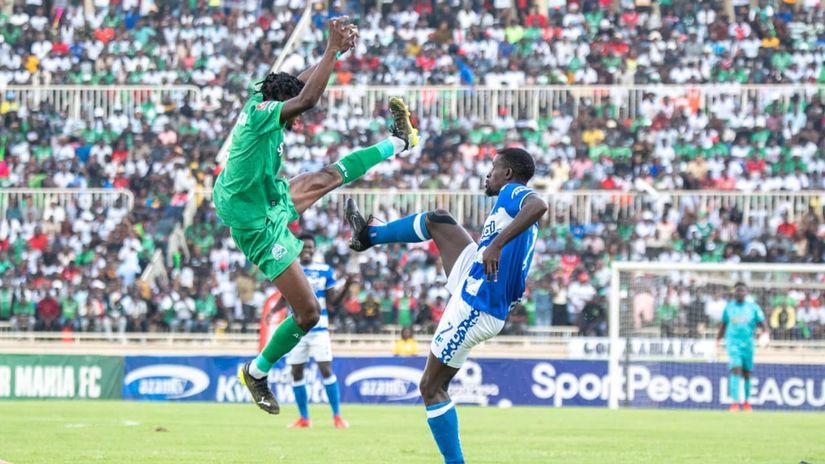
Black Stars earned three promotions in a row and by the end of 2016 had secured a historic place in the National Super League (NSL), a rise that suddenly made the once small community side begin dreaming about the possibility of dining at the same table as Kenya’s football heavyweights.
However, life in the second tier has proved far tougher than many around the club initially imagined.
The dream of reaching the FKF Premier League has repeatedly slipped through their fingers at crucial moments, and the club now finds itself in its 10 season in the NSL still chasing the same elusive breakthrough.
During Mozzart Sport’s visit to the club’s training base, one thing immediately stood out beyond the intensity of the drills and the constant shouting from the touchline.
There was a visible growing chemistry between head coach Iddi Badi and his assistant, former AFC Leopards coach Tom Juma.
The two coaches now stand side by side, trying to breathe life into a promotion charge that had lost direction earlier in the campaign.
⚫️🔴 | Fans scenes at Gems Cambridge.#KiberaBlackStars | #Yamama | #Rubis | #MbeleIkoSawa pic.twitter.com/TA0dnErfDn
— Kibera Black Stars Fc (@KBS_fc_8) April 27, 2026
Both men are convinced that their friendship, shared football philosophy, and understanding of youth development could finally drag Yamama closer to the promised land.
Their relationship did not start yesterday. Long before joining forces at Kibera Black Stars, the pair had already crossed paths in several youth football development projects and even completed their CAF B coaching badges together.
These experiences are what quietly built a strong working relationship rooted in trust and mutual understanding.
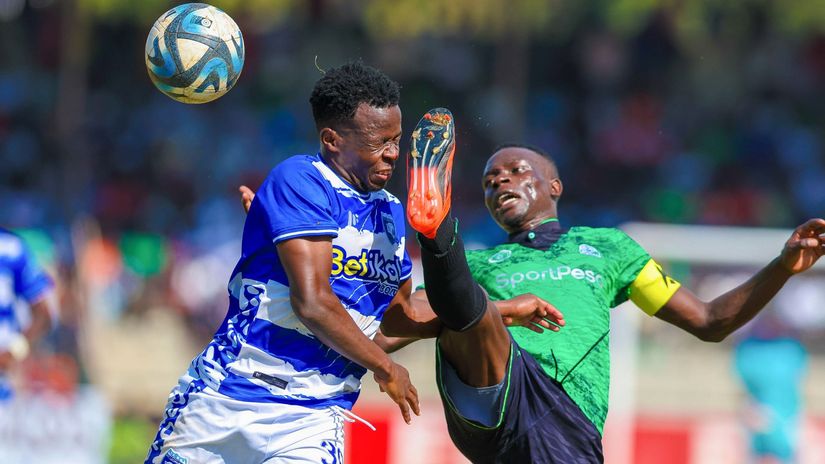
Kibera started the season brightly and appeared capable of mounting a serious promotion push after losing just once in their opening six matches.
However, as is often the case in the unforgiving terrain of the NSL, the momentum soon evaporated, and the wheels threatened to come off entirely.
Defeats to 3K FC, Kabati Youth, Darajani Gogo, Equity Bank FC and Soy United sent the club tumbling into the bottom half of the table, forcing Badi to make an important call to someone he trusted deeply within football circles.
That call went to Juma.
“First of all, I came at the start of the second leg through the invitation of my friend, coach Badi.
We have worked together closely before, and what we are trying to do is to make the players believe that they can do it because, if you look at this team, we have very good players, young talented players with experience as well,” Juma told Mozzart Sport.
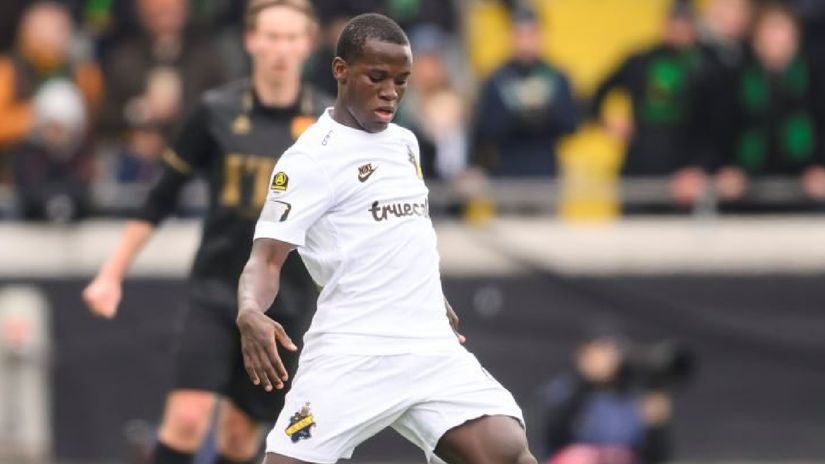
What followed after his arrival felt almost like a football revival.
The team rediscovered rhythm, confidence slowly trickled into the dressing room and Black Stars suddenly transformed from a struggling side into one capable of unsettling opponents again.
They went on to win three of their next matches while stringing a five-game unbeaten run that reignited belief around the club.
⚫️🔴 | Gggooooaaalll!
— Kibera Black Stars Fc (@KBS_fc_8) April 25, 2026
Joshua Otieno scores in a one-on-one with the goalkeeper to put us in front, after a well-weighted through ball from Phoelix Mboya.
23’
Kibera Black Stars 1-0 Fortune Sacco #KiberaBlackStars | #Yamama | #Rubis | #MbeleIkoSawa pic.twitter.com/0t5SXiaidc
Juma believes the growing stability within the technical bench has played a huge role in the turnaround, especially in a league where the pressure of chasing promotion often swallows clubs whole.
“If you put two heads together, it is always better than one, and this league is a very tough one, sometimes even tougher than the Premier League because every team here wants promotion,” he explained.
“The two of us, together with the rest of the technical bench, normally sit down, analyse opponents and try to get the best out of the players, and I think that has really worked well for us.”
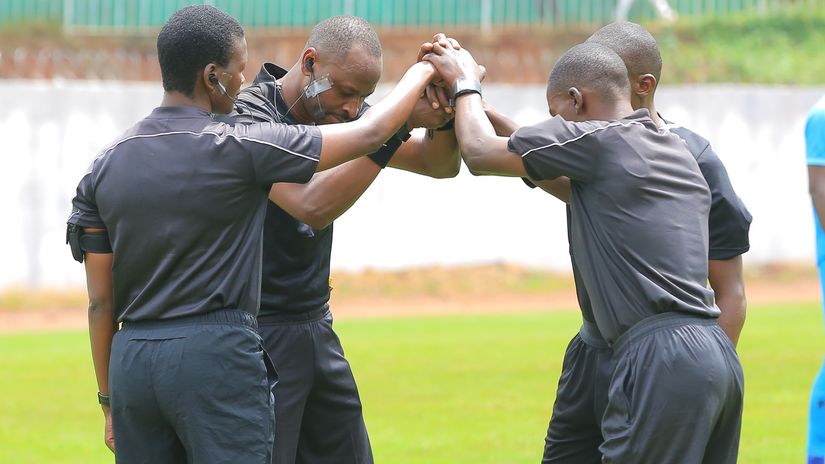
As the season enters its decisive stretch with nine matches left to play, both coaches still carry the stubborn belief that the promotion race is far from over despite the mountain still standing in front of them.
According to Juma, the biggest shift within the squad has not necessarily been tactical but psychological, with the players finally beginning to understand that they belong in the conversation alongside the league’s strongest sides.
“What changed here at Kibera Black Stars is belief, because before the players were just playing without truly believing they could achieve promotion.
We looked at the table and realised that if we worked hard and kept winning matches, then we could put ourselves in a good position,” he said.
“That is why we train every day and fight every week, because the teams above us are also playing difficult matches, and they will drop points. As long as we keep winning our games, then there is still a chance for us.”
“Nine matches are still a lot because that is 27 points available, and in football, anything is possible.”
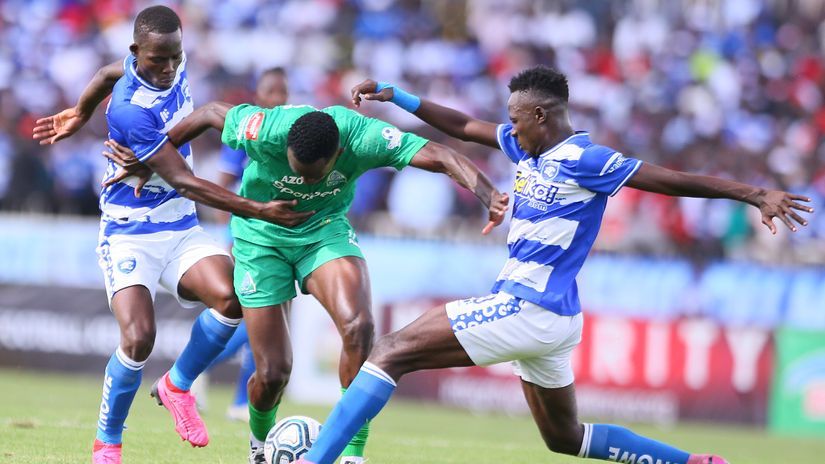
Badi equally believes the club still has enough time to force themselves back into the promotion picture, especially in a season where consistency has remained a rare commodity across the division.
“Yes, the dream is still alive because we are a team that still believes, and if you look at the league with nine matches remaining, those are still 27 points available.
We also still have matches against some of the teams above us, and that means we still have an opportunity to change things,” Badi explained.
The coach admitted that this season’s journey has been far from smooth, particularly after the club underwent another painful rebuilding process following internal managerial issues that disrupted last season’s campaign and triggered the departure of several players.
“I can say even last season we had the same dream of reaching the Premier League, but things happened in between, and that is normal in football and in organisations.
Right now, if you look at this squad, it is almost a completely new team because I only retained about four players from last season, and building chemistry took time,” he said.
⚫️🔴 | Brains behind the hustle.Kibera Black Stars technical bench holding it down.#KiberaBlackStars | #Yamama | #Rubis | #MbeleIkoSawa pic.twitter.com/CwhjDozr3A
— Kibera Black Stars Fc (@KBS_fc_8) April 22, 2026
That transition period proved especially painful during a stretch where the team suffered five consecutive defeats, a run that tested both the players’ confidence and the patience of supporters who had entered the season carrying promotion hopes.
“There was a period where we lost five matches in a row because I was trying different players in different positions while understanding the squad better, but even during that difficult moment, I still believed because even now we are still in the promotion race,” he added.
As a former Kibera Black Stars player himself, Badi says one of the most important things he introduced into the dressing room was rebuilding trust and strengthening the relationship between players and the technical bench.
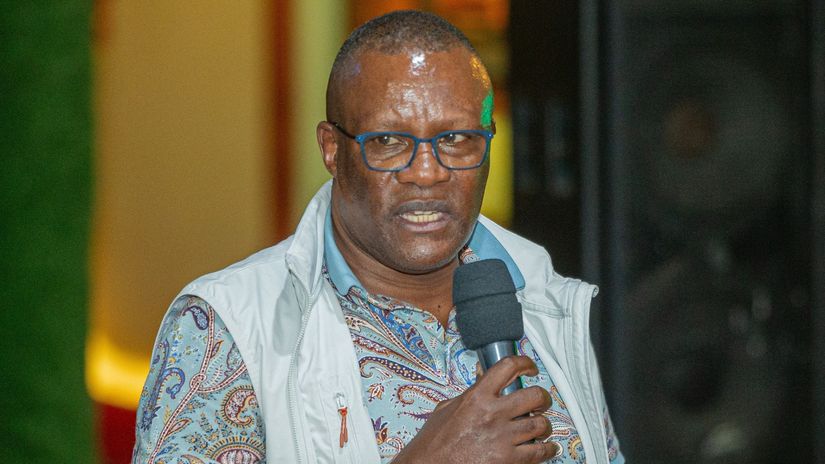
“One thing I have brought to this team is respect because I need to respect the players since they are the ones who give me results. You have to bring them closer, understand them and create a good relationship because if I respect them, they also respect me,” he explained.
“The players can now see the passion because I was once a player at Kibera Black Stars myself, and that connection has helped us build together.”
For a club born in the narrow streets of Kibera and raised on the simple idea of keeping young people focused through football, the dream of reaching the FKF Premier League still burns stubbornly despite all the setbacks that have attempted to extinguish it over the years.

And every single morning at Ligi Ndogo, as the first rays of sunlight slowly cut through the pitches and the city begins another chaotic day around them, two football friends continue carrying the hopes of an entire community on their shoulders while trying to guide a ghetto club towards history.