


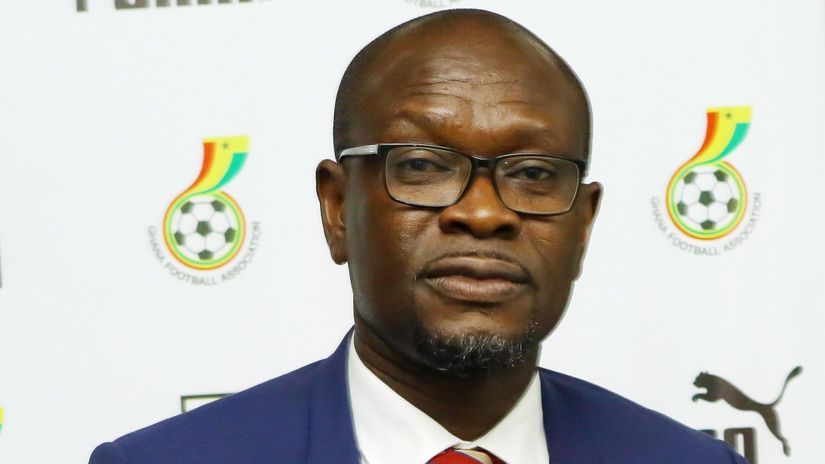
Everything you need to know about newly-appointed Gor Mahia head coach
.jpg)
.jpg)
.jpg)

Reading Time: 3min | Tue. 05.08.25. | 10:28
Most recently, he served as a CAF technical consultant, focusing on youth development and continental coaching standards
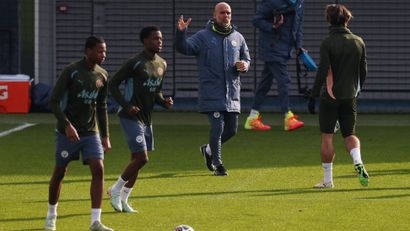
Record FKF Premier League champions Gor Mahia ushered in a new era last week with the appointment of seasoned Ghanaian tactician Charles Akonnor as head coach.
Unveiled on the evening of Friday, 1 August, Akonnor penned a two-year contract, taking over from club legend Zedekiah ‘Zico’ Otieno, who was relieved of his duties following a trophyless 2024/25 campaign.
Follow our WhatsApp channel for more news
Akonnor was unveiled alongside trusted compatriots: Kobia Mensah Bismark, who will serve as his assistant coach, and Ben Owu, the man who will be tasked with training the club's goalkeepers.
As K'Ogalo faithfuls begin to assess what Akonnor's arrival could mean for Kenya’s most decorated club, here is Mozzart Sport's comprehensive look at the man tasked with restoring the club's glory.
Born on 13 March 1974 in Nungua, Accra, Akonnor began his football journey at Young Hearts of Tema (1985–1987), before having stints at Okwawu United (1988–1990) and Ashanti Gold SC (then Obuasi Goldfields).
His promising displays soon earned him a move to Europe, where he joined German side Fortuna Köln in 1992, then in Bundesliga 2.
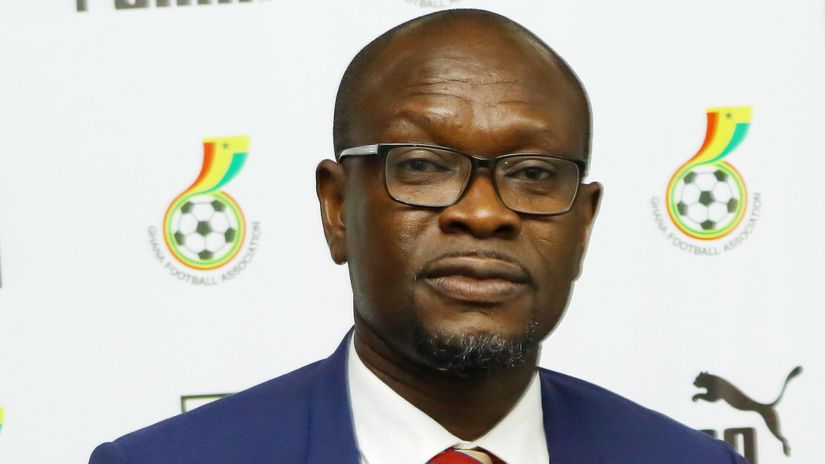
At Fortuna, Akonnor established himself as a midfield stalwart, recording 26 goals in 153 matches across six seasons.
His consistent performances earned him a move to Bundesliga outfit VfL Wolfsburg in 1998, where he spent five memorable years, netting 13 goals in 121 appearances.
In 2001, he was appointed club captain, becoming one of the first Africans to lead a Bundesliga team.
His European journey later saw him represent SpVgg Unterhaching, where he scored four goals in 46 matches, AC Horsens (Denmark), scoring six goals in 54 appearances, and Alki Larnaca (Cyprus), before winding down his career at SC Langenhagen in Germany in 2009.
Akonnor’s leadership credentials were honed through an illustrious international career.
A key figure for Ghana’s U-20 side, he featured in the 1991 African Youth Championship and the 1993 FIFA U-20 World Cup, where Ghana finished third place and as runners-up to Brazil, respectively.
He later captained the U-23 Black Meteors to the quarter-finals of the 1996 Atlanta Olympics, before earning 51 senior caps for the Black Stars.
His senior tenure included 13 goals, four AFCON appearances, and a leadership spell as national team captain beginning in 1998 after succeeding the legendary Abedi Pele.
That same year, he was named in both the CAF African XI and AFCON Team of the Tournament.
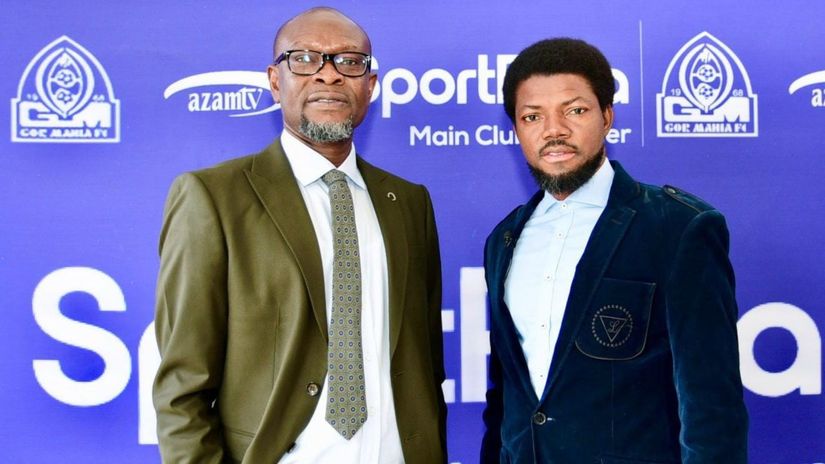
Akonnor’s coaching career reflects a steady climb through the ranks.
He began with Sekondi Eleven Wise in 2009, later serving as technical director in 2010.
A brief stint at Hearts of Oak in 2012 was followed by a successful tenure at Dreams FC, where he led the team to promotion to the Ghana Premier League in 2017.
His breakthrough came with Ashanti Gold, finishing second in the 2017/18 Ghana Premier League season.
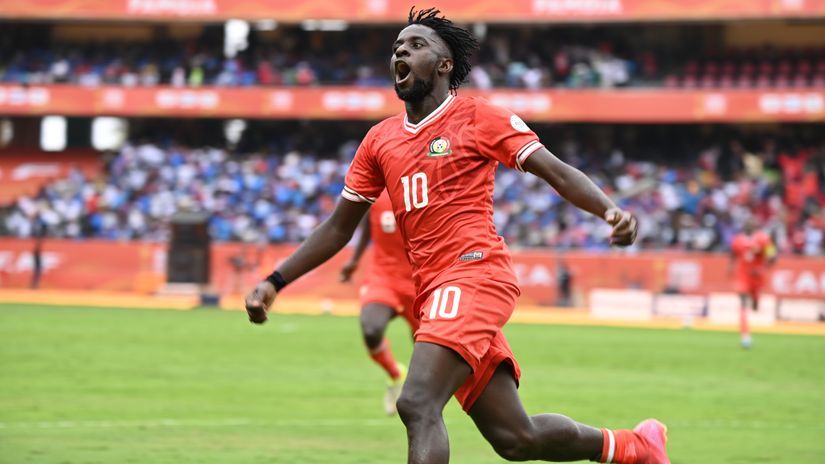
A year later, he took charge of Asante Kotoko, guiding them to the CAF Champions League group stage, winning the Normalisation League Trophy, and earning the Ghana Football Awards Coach of the Year.
Akonnor’s national profile soared when he was appointed Black Stars assistant coach in 2019, and subsequently promoted to head coach in January 2020.
During his tenure, he led Ghana to qualify for AFCON 2021 held in Cameroon and played a key role in the 2022 FIFA World Cup qualification campaign staged in Qatar.
In 10 matches, his record stood at 4 wins, 4 draws, and just 2 defeats.
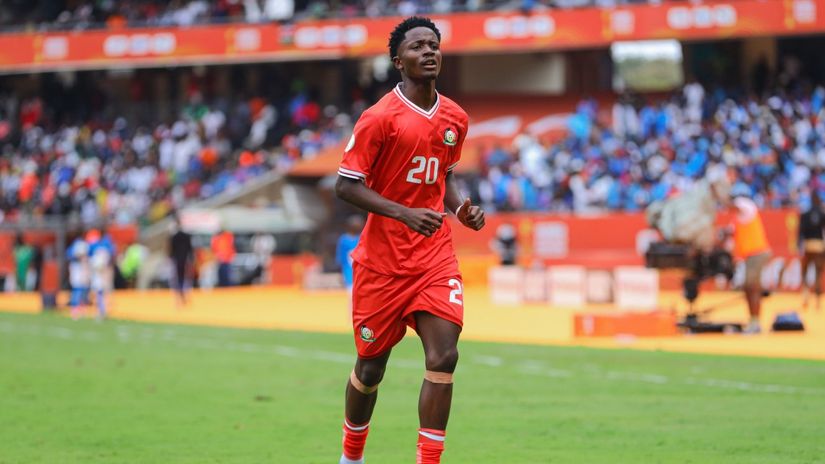
Following his exit from the Black Stars, Akonnor returned to club football, taking charge of Accra Athletic FC in Ghana’s second tier in September 2023.
Most recently, he served as a CAF technical consultant, focusing on youth development and continental coaching standards.
At Gor Mahia, the 51-year-old will be expected to steady the ship and guide the club back to its winning ways both locally and on the African stage.