


Dark side of football - when love for a club turns into death







.jpg)

Reading Time: 3min | Fri. 22.08.25. | 11:44
Football is indeed one of the most beautiful games in the world, evoking many wonderful feelings and creating unforgettable moments. Yet, there have been times when the entire world fell silent…
Football is a game of passion, skill, and drama, but sometimes the beautiful game is overshadowed by tragedy. Over the decades, there have been moments on the pitch that shocked fans and reminded everyone of the fragility of life. Here are some of the most infamous accidents and disasters in football history.
The Hillsborough Disaster (1989)
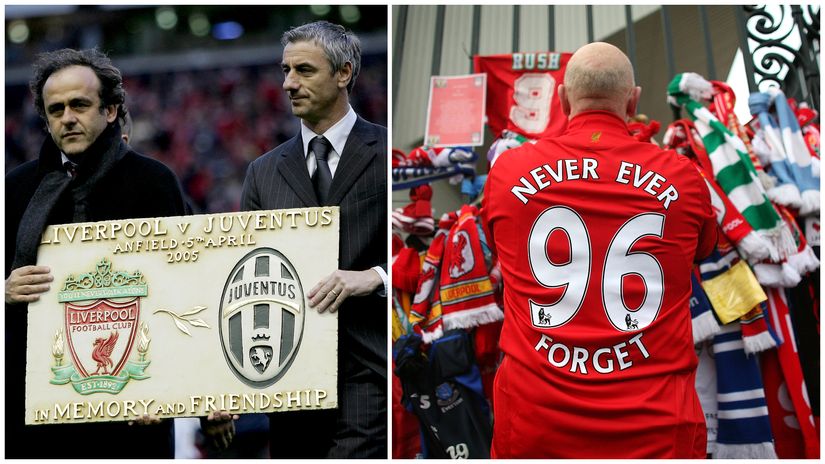
One of the most heartbreaking events in football history occurred on April 15, 1989, during an FA Cup semi-final between Liverpool and Nottingham Forest at Hillsborough Stadium in Sheffield, England. Due to overcrowding in the stands, a human crush ensued in the Leppings Lane end. Tragically, 96 Liverpool fans lost their lives, and hundreds were injured.
This is Brilliant. Footage of when AC Milan's fans sang "You'll Never Walk Alone" in 1989 as a tribute to the 97 Liverpool fans who died at the Hillsborough disaster. Absolute Class. #LFC #YNWA #ACMilan #Milan #Hillsboro❤️ pic.twitter.com/2q4mFDp2eS
— "YNWA" The Story of Liverpool FC (@LFCHistoryShow) August 7, 2025
The disaster exposed severe failings in stadium safety, crowd control, and policing. It eventually led to sweeping reforms in English football, including the introduction of all-seater stadiums, designed to prevent such tragedies in the future. Hillsborough remains a somber reminder of how mismanagement can lead to catastrophic consequences.
The Heysel Stadium Tragedy (1985)
On May 29, 1985, tragedy struck before the European Cup final between Juventus and Liverpool at Heysel Stadium in Brussels, Belgium. A combination of fan violence and poor stadium infrastructure caused a wall to collapse, resulting in 39 deaths and over 600 injuries.
Remembering the Heysel Stadium tragedy, 40 years on.
— JuventusFC 🇬🇧🇺🇸 (@juventusfcen) May 29, 2025
🗞️: https://t.co/MZKD5MtadV pic.twitter.com/7HBo4vqz5L
This disaster led to a five-year ban for English clubs from European competitions and marked one of football’s darkest days. The event highlighted the dangers of hooliganism and prompted stricter regulations for stadium safety across Europe.
Ibrox Disaster (1971)
During an Old Firm match between Rangers and Celtic at Ibrox Stadium in Glasgow on January 2, 1971, a crush on a stairway killed 66 fans and injured over 200. A large crowd was exiting the stadium when panic caused a human stampede.
For the 66 victims of the Ibrox disaster, 2nd January 1971. No one should go to a game of football, and not go home pic.twitter.com/QPQkggABwG
— HSA-Hillsborough Survivors Support Alliance CIC (@HillsboroughSu1) January 2, 2025
The tragedy prompted major reviews of stadium exits and crowd control procedures, with safety measures in Scotland and the UK evolving to prevent such disasters.
Football fan disasters are not limited to the UK or Europe. In 2001, the Estadio Olimpico Universitario in Mexico witnessed a stampede during a match between Cruz Azul and Club America, leaving 11 dead. In Kanjuruhan Stadium, Indonesia (2022), a clash between supporters and police resulted in over 130 fatalities, one of the deadliest incidents in football history.
These tragedies highlighted persistent issues in crowd management, policing, and stadium infrastructure, particularly in countries with rapidly growing fan attendance.
The company in charge of redevelopment work at the Kanjuruhan Stadium in Indonesia — where 135 fans died on October 1, 2022 in one of the world’s worst football disasters — has apologised to victims’ families after demolishing one of the gates that was going to be retained as a… pic.twitter.com/IJs4YUNIc7
— The Athletic | Football (@TheAthleticFC) July 25, 2024
Even outside violent contexts, fan excitement and overcrowding have caused tragic accidents. In 1989, at a football match in Cairo, Egypt, a rush to enter the stadium led to 27 deaths, while in Leon, Mexico, a similar stampede during a promotion celebration killed dozens.
Such incidents underscore how easily celebrations can turn deadly when stadiums are unprepared or emergency protocols fail.
Football tragedies affecting fans are stark reminders that passion and excitement must always be matched by proper safety measures. Over the years, these events have led to better stadium designs, stricter crowd control, and emergency planning. Yet, the memory of those lost remains, serving as a sobering lesson for players, authorities, and supporters alike.